Securing Your Roof’s Future
It’s not just about repairing the current damage; it’s about preparing for the future. The final steps of the insurance claims process require as much attention as the initial ones. Once repairs begin, ensure that all work done is to code and addresses not only the visible damage but any potential weak spots that could cause trouble down the line. By looking ahead and reinforcing your home’s defenses against the elements, you’re investing in its longevity and safety. This proactive strategy demonstrates a commitment to both your property and your peace of mind.
Your choice in a contractor will also influence the long-term integrity of your roof. Selecting a reliable and experienced team is crucial—quality workmanship is essential for repairs that last. It’s important to lean on professionals who understand how Chicopee’s unique climate affects roofing materials and design, ensuring a solution tailored to local conditions. If you’re in doubt about whom to turn to, JJ Landerman Roofing stands ready to provide you with expertise that protects.
In closing, remember that dealing with the aftermath of storm damage can be a test of your resilience. Yet, with a thorough understanding of the claims process, the right professional help, and foresight in home maintenance, you can face any challenge that comes your way. Trust in the materials, the craftsmen, and your community resources. Take a deep breath and take control; your home is more than just a dwelling—it’s a sanctuary, and it deserves the greatest care to weather any storm.
The Immediate Need to Address Storm Damage
When severe weather hits, the aftermath can often leave homeowners in Chicopee, MA scrambling to address roof damage. The initial shock can be overwhelming, but it’s crucial to act swiftly to protect your home from further harm. Delays can compound problems, turning minor leaks into significant water damage or mold. It’s not just the physical toll; the financial implications of inaction can be equally severe. That’s why understanding roofing insurance claims for storm damage is imperative for a quick and effective response.
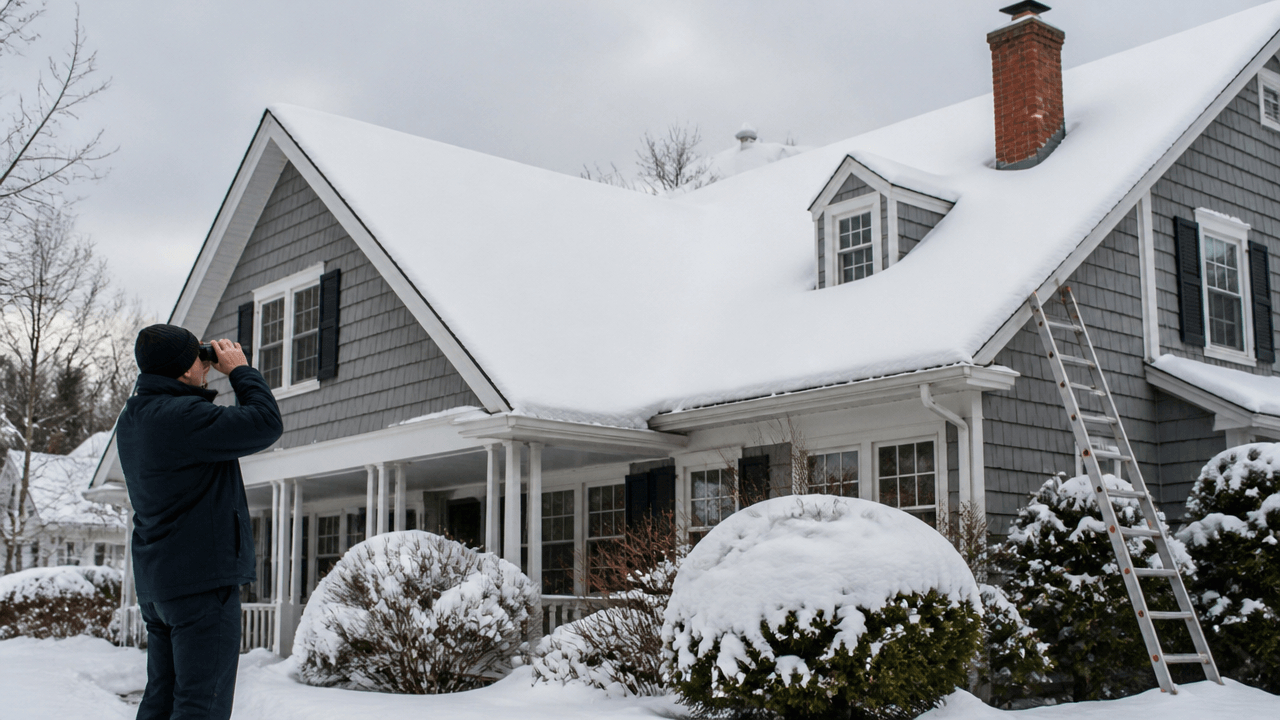
Undoubtedly, the sheer stress of storm damage to your roof can be paralyzing. Where do you even start? The answer lies in the immediate assessment and documentation of the damage, which will be the cornerstone of your insurance claim. Precise and thorough evidence is your best ally in ensuring that insurance adjusters fully understand the extent of the damage. Remember, your proactive approach here not only safeguards your property but also sets the stage for a smoother claims process.
Filing a claim demands attention to detail and a clear understanding of your policy. This is where many homeowners feel lost, but don’t worry; you’re not alone. This guide aims to navigate you through the intricacies of the claims process with expert advice and insights. Armed with knowledge and the right support, you can transform a challenging situation into a manageable task, securing your home and peace of mind. So, let’s take that first crucial step together and delve into what you need to know about roofing insurance claims for storm damage.
Securing Your Roof’s Future
It’s not just about repairing the current damage; it’s about preparing for the future. The final steps of the insurance claims process require as much attention as the initial ones. Once repairs begin, ensure that all work done is to code and addresses not only the visible damage but any potential weak spots that could cause trouble down the line. By looking ahead and reinforcing your home’s defenses against the elements, you’re investing in its longevity and safety. This proactive strategy demonstrates a commitment to both your property and your peace of mind.
Your choice in a contractor will also influence the long-term integrity of your roof. Selecting a reliable and experienced team is crucial—quality workmanship is essential for repairs that last. It’s important to lean on professionals who understand how Chicopee’s unique climate affects roofing materials and design, ensuring a solution tailored to local conditions. If you’re in doubt about whom to turn to, JJ Landerman Roofing stands ready to provide you with expertise that protects.
In closing, remember that dealing with the aftermath of storm damage can be a test of your resilience. Yet, with a thorough understanding of the claims process, the right professional help, and foresight in home maintenance, you can face any challenge that comes your way. Trust in the materials, the craftsmen, and your community resources. Take a deep breath and take control; your home is more than just a dwelling—it’s a sanctuary, and it deserves the greatest care to weather any storm.
Insights From The Experts
Tip 1:
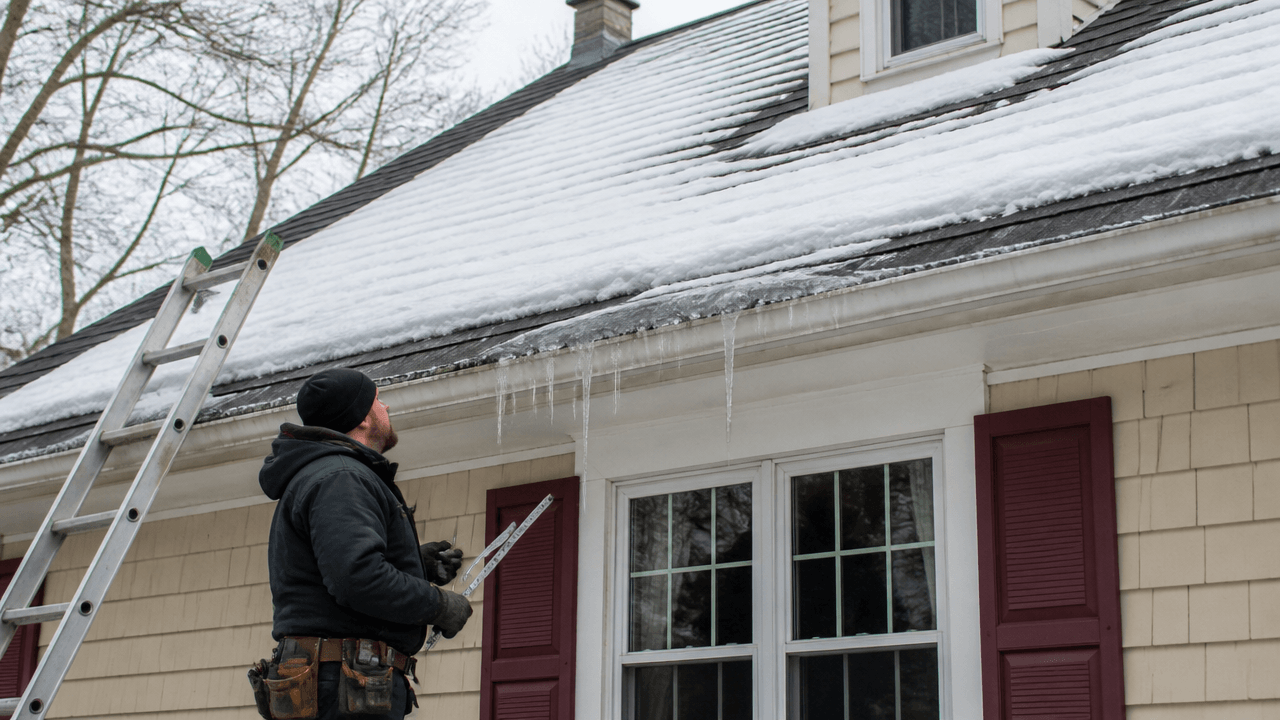
Immediately document all signs of storm damage to your roof with photos or videos. This visual evidence is crucial when making an insurance claim and can expedite the process.
Tip 2:
Contact a reputable roofing specialist to perform a thorough inspection. They can provide a detailed report that supports your insurance claim and ensures nothing is overlooked.
Tip 3:
Understand your insurance policy’s coverage for storm damage beforehand. Knowing what types of damage are covered and your policy’s limits can help set realistic expectations for your claim.
Tip 4:
Make temporary repairs only if necessary to prevent further damage, but be sure to keep the receipts. These costs may be reimbursable under your insurance policy once your claim is approved.
Tip 5:
Communicate clearly and keep a log of all correspondence with your insurance company. Being organized and maintaining a record of conversations can prevent disputes and help in tracking the progress of your claim.
Your Roofing Insurance Claim Concerns Answered
What should I do first if I suspect storm damage to my roof?
Immediately take photos to document the damage and ensure your safety by checking for hazards. Contact a professional roofing contractor for an inspection and begin reviewing your insurance policy.
How do I file an insurance claim for roof damage due to a storm?
Reach out to your insurance agent to report the damage as soon as possible, and provide the documentation from your roofing inspection along with photographic evidence of the damage.
What information do I need to provide to my insurance company for a storm damage claim?
You’ll need to supply detailed documentation of the damage, a professional inspection report, and any estimates for repairs, as well as proof of your communication with the roofing professionals.
Can I do temporary repairs before the insurance adjuster examines the damage?
Yes, you can and should make temporary repairs to prevent further damage, but be sure to keep all receipts and take photographs of the damage before and after repairs to submit to your insurance.
How can I ensure my storm damage claim is processed smoothly and efficiently?
Keep detailed records, be forthcoming with information, and maintain open, consistent communication with your insurer. Working with a respected local contractor can also streamline the process.