• Learn how summer heat, storms, and moisture can cause common roof repair issues in Hadley, MA, and why fast action matters.
• Follow a simple step-by-step process to inspect your roof, spot damage early, and handle small repairs before they grow.
• Avoid common DIY mistakes and get clear answers to the most asked questions about summer roof repair.
Why Summer Roof Problems Need Quick Attention
Summer heat can put extra stress on a roof in Hadley, MA, especially when shingles, flashing, and vents are already worn. Small issues can turn into bigger damage fast when strong sun, sudden storms, and heavy rain all happen in the same season. If you are noticing common summer roof repair issues, it is smart to act before the problem spreads.
A roof that looks fine from the ground may still have weak spots that let water in during a storm. Heat can also dry out roofing materials and make them more likely to crack, curl, or loosen over time. When that happens, a simple repair can become a much bigger job if it is ignored.
We see many homeowners wait until they spot a leak inside, but by then the damage has often moved beyond the surface. That is why a quick check of our residential roofing services can help catch trouble early. The sooner roof problems are addressed, the better chance you have to protect your home and avoid added stress.
What Summer Weather Does to Roofs
Summer weather can wear down a roof in different ways, and each one can affect how well it protects your home. Heat can make shingles age faster, while wind and rain can lift edges or push water into weak areas. In Hadley, MA, that mix can create the kind of damage that starts small but grows quickly.
One of the biggest issues we see is moisture getting in where seals have weakened around flashing, vents, or roof edges. Once water finds a path, it can damage the roof deck and nearby materials before the signs become obvious. For homes with older systems, checking roof materials and weak points early matters even more, which is why we often point people to roofing material options when they are planning repairs.
Step-by-Step Guide
🔎 Step 1: Look for visible wear
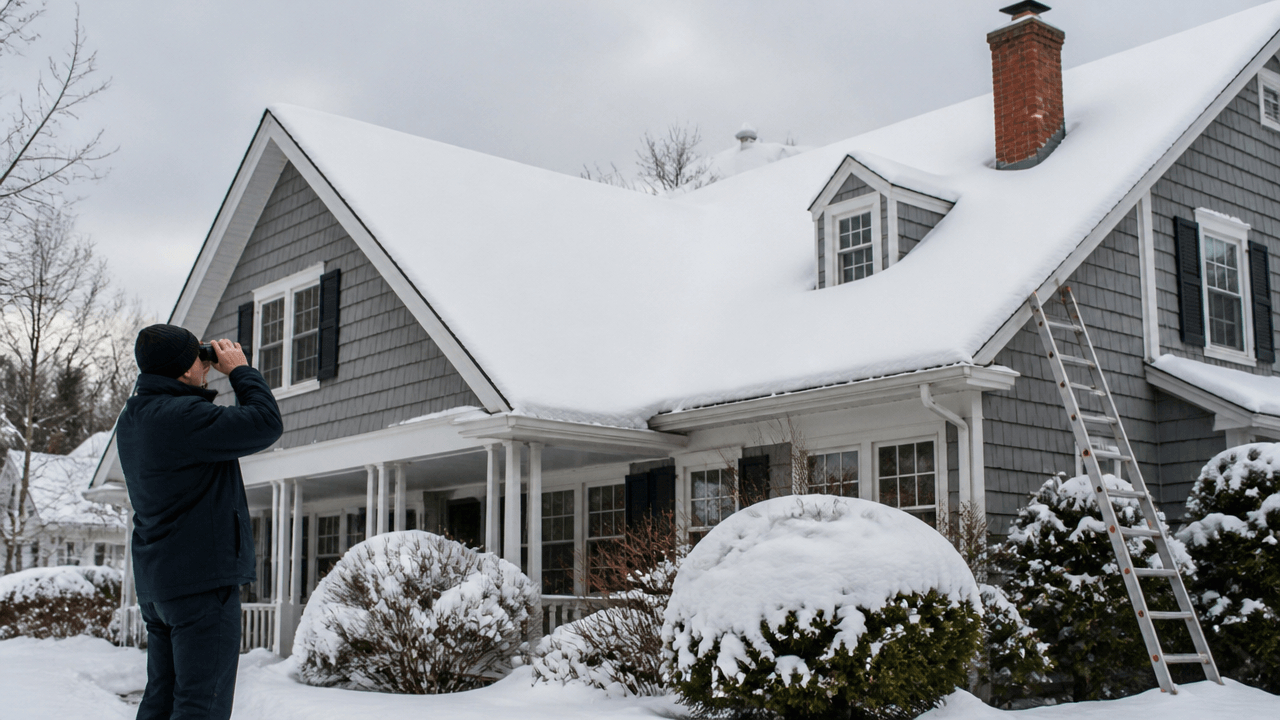
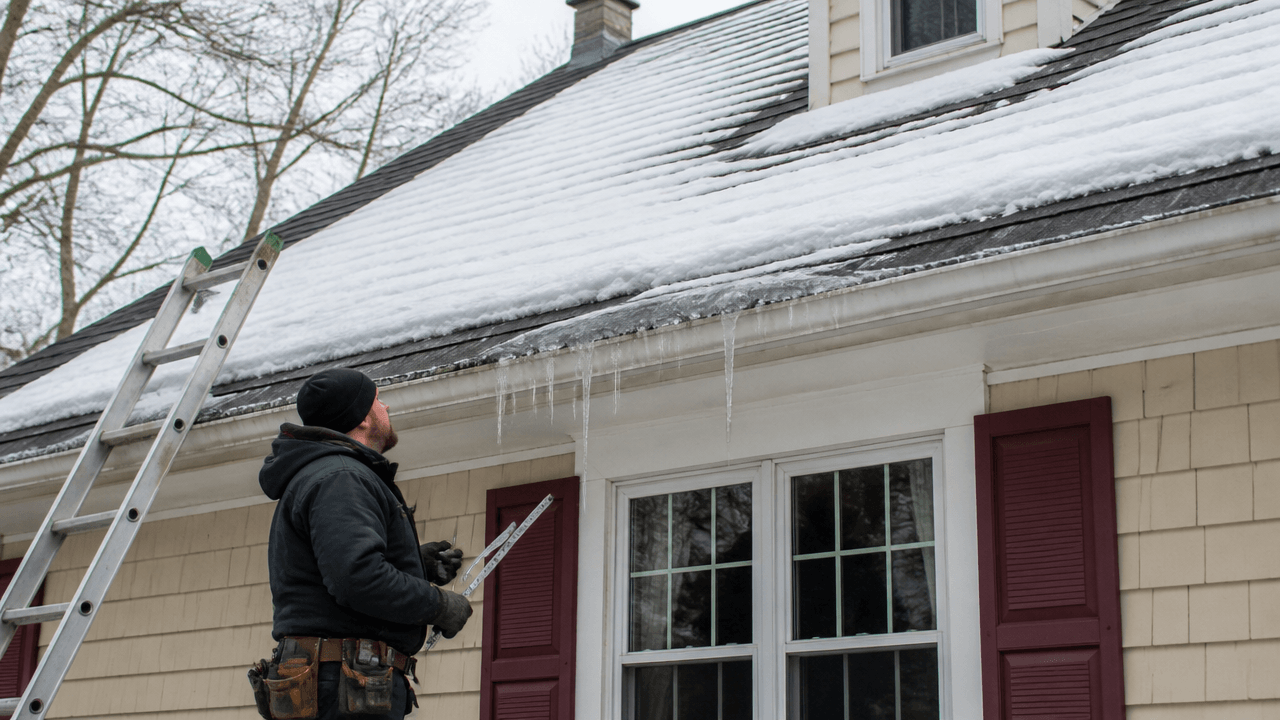
Start by checking the roof from the ground for curling shingles, missing pieces, or dark patches. These signs often show that summer heat or storm activity has already caused damage. A careful first look helps you spot problems before they spread.
🌧️ Step 2: Check for signs of leaks
Look inside the attic, ceilings, and upper walls for water stains, damp spots, or peeling paint. These signs can point to roof damage even when the outside looks normal. Catching a leak early can help stop mold, wood damage, and insulation problems.
🧱 Step 3: Inspect flashing and roof edges
Pay close attention to the metal flashing around chimneys, vents, and valleys. These areas often take the most stress during summer storms and can loosen over time. If flashing fails, water can get in fast and cause damage in hidden spots.
🌬️ Step 4: Make sure ventilation is working
Check that attic vents are not blocked and that warm air can move out of the space. Poor ventilation can trap heat under the roof and make shingles wear out faster. Good airflow helps lower heat buildup and protects the roofing system.
🛠️ Step 5: Clear away debris
Remove branches, leaves, and other buildup from the roof and gutters. Debris can hold moisture against the roof and block water from draining the way it should. Keeping the roof clean helps reduce added stress during summer rain.
📸 Step 6: Document the damage
Take clear photos of any problem areas you find before making repairs. This helps you keep track of what needs attention and gives a better picture of how the damage is changing. It also makes it easier to explain the issue if you bring in a roofing professional.
🧰 Step 7: Fix small issues right away
Repair loose shingles, seal minor gaps, and replace damaged pieces as soon as you can. Small problems often lead to larger ones when heat and rain keep working on the same weak spot. Quick action can save time and reduce the chance of more serious damage.
👷 Step 8: Call a roofing professional for major damage
If the problem covers a large area or involves leaks, sagging, or heavy storm damage, bring in a roofing expert. Some repairs need the right tools and training to be done safely and correctly. A professional inspection can also help find damage that is easy to miss.
Common Mistakes to Avoid
DIY roof repair can look simple at first, but summer roof problems often hide more than they show. A rushed fix may cover the symptom while the real damage keeps getting worse. These are the most common mistakes we see people make when trying to handle the issue on their own.
- ⚠️ Mistake 1: Only checking the roof from the ground
This happens when homeowners want to avoid climbing up or do not realize damage can be hidden. The problem is that many signs, like loose flashing or cracked shingles, are hard to spot from below. To prevent this, use a careful inspection process and look at both the outside and inside of the home. - ⚠️ Mistake 2: Ignoring small leaks or stains
People often think a small stain is not urgent, especially if it only shows up after a storm. In reality, even a small leak can point to damage that spreads into wood, insulation, and drywall. The best way to prevent this is to treat every leak sign as a real problem and address it quickly. - ⚠️ Mistake 3: Overlooking flashing and roof edges
This mistake happens because many people focus only on shingles and forget the weak spots around vents and chimneys. Those areas are common entry points for water during summer storms. To avoid this, always check edges, seals, and metal flashing as part of the repair process. - ⚠️ Mistake 4: Skipping ventilation checks
Homeowners may assume ventilation is unrelated to roof repair, so they leave it out of the process. But trapped heat can speed up wear and make roof problems return sooner. Prevent this by making sure attic airflow is part of every summer roof check. - ⚠️ Mistake 5: Trying to repair major damage without help
This usually happens when someone wants to save time or money on a larger repair. The risk is that bigger damage can be unsafe and easy to worsen without the right tools or training. The safest choice is to get help when the damage is widespread, leaking, or hard to reach.
Frequently Asked Questions
What are the most common summer roof repair issues?
Yes, the most common summer roof repair issues include cracked shingles, loose flashing, roof leaks, and damage from wind or heavy rain. Heat can also wear down roofing materials and make weak spots show up faster. These problems often start small but can grow quickly if they are not handled early.
How do I know if my roof has summer storm damage?
Yes, you can often spot summer storm damage by looking for missing shingles, dents, loose edges, or water stains inside the home. Strong wind and rain can lift roof parts or push water into areas that were already weak. If you notice any of these signs, the roof should be checked as soon as possible.
Can hot weather really damage a roof?
Yes, hot weather can damage a roof by drying out materials, weakening seals, and making shingles crack or curl. Over time, that kind of stress can shorten the life of the roofing system. In a place like Hadley, MA, summer heat can make small roof problems more likely to show up.
Should I repair a small roof leak myself?
Yes, a small roof leak may seem manageable, but it depends on where the leak is and what caused it. If the issue is around flashing, vents, or a larger damaged area, the repair may need professional help. The key is to find the source quickly before the damage spreads.
How often should I inspect my roof in summer?
Yes, you should inspect your roof at least once during summer and again after any strong storm. Regular checks help catch common summer roof repair issues before they turn into expensive damage. A quick seasonal inspection is one of the best ways to protect your home.
Protect Your Roof Before Damage Spreads
Summer roof damage can move fast, especially when heat, rain, and wind all hit the same home in one season. Watching for early warning signs and following a clear repair process can help protect your roof and keep small issues from getting worse. That is why we always encourage homeowners in Hadley, MA to stay ahead of trouble before it turns into a bigger repair.
If you need a closer look at roof problems or want help with summer repair concerns, acting early is the smartest move. A timely response can save time, protect your home, and give you more confidence in your roof through the rest of the season. To stay connected with our team and see more roofing updates, follow us on social media.