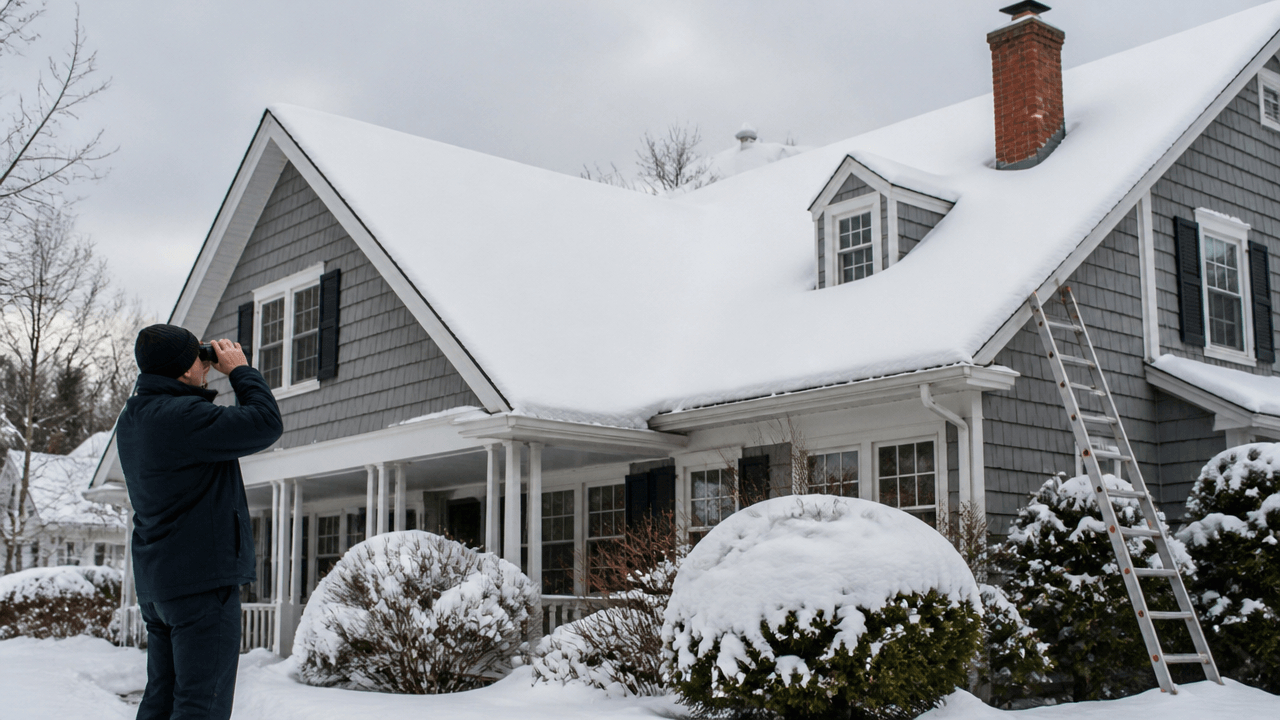
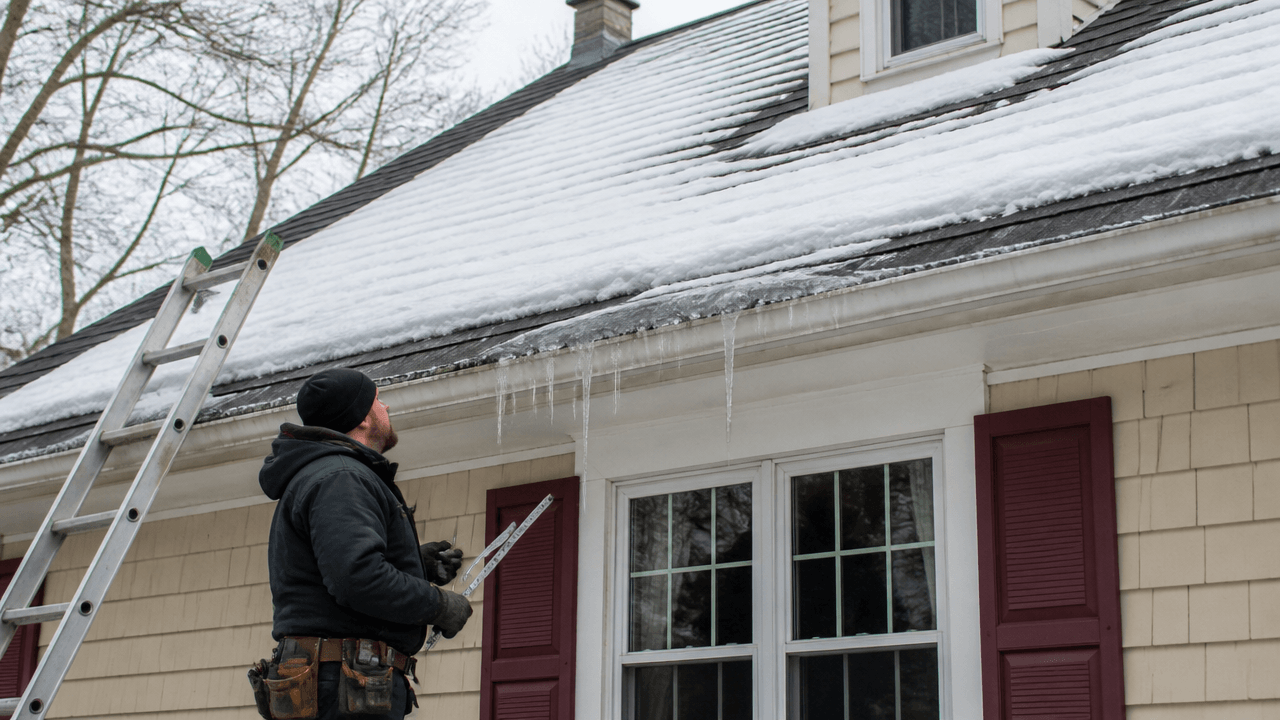
• Summer heat can dry out skylight seals and stress flashing, which makes leaks more likely during heavy rain. A quick check of the skylight, roof edges, and nearby materials can help catch small problems before they spread.
• The best way to prevent skylight leaks in summer is to inspect flashing, clean debris, and watch for worn sealant. Early warning signs like ceiling stains, peeling paint, or damp spots usually mean water is already getting in.
• Regular roof checks give us a better chance to stop skylight damage before it turns into a bigger repair. This blog shares practical tips, common warning signs, and simple ways to keep your roof protected through the season.
Summer Skylight Leak Prevention
Summer heat in Danbury can put real stress on a skylight and the roof around it. When seals soften and flashing shifts, small issues can quickly turn into active leaks during a heavy rain. That is why knowing how to prevent skylight leaks in summer matters before water stains start showing up inside.
A skylight should bring in light, not cause stress every time storms roll through. In warm weather, repeated sun exposure can dry out materials and make weak spots more noticeable. If you want to stay ahead of damage, it helps to look at the roof system around the opening as a whole, not just the glass itself, which is why we always pay close attention to details like our residential roofing services when checking these problem areas.
Even a small gap can let water work its way under shingles and into the home. Once moisture gets in, it can spread farther than most people expect and lead to bigger repair needs. Taking action early is the best way to protect the roof, the ceiling, and the comfort of the space below.
What Causes Skylight Leaks
Most skylight leaks start with aging seals, worn flashing, or movement in the roofing materials around the frame. Summer weather can speed up wear because heat makes materials expand during the day and then contract as temperatures drop at night. Over time, that cycle can open tiny gaps that allow water to enter.
Clogged roof drainage can also play a role, since standing water near a skylight raises the chance of seepage. We often see that roof edges, sealant joints, and nearby shingles need attention at the same time to keep the area watertight. If the opening has been leaking before, it is smart to inspect the full system instead of only treating the visible spot.
Tips from the Pros
🔎 Tip 1: Check the flashing first
Flashing is one of the most common weak points around a skylight. Look for lifted metal, rust spots, or areas where the material no longer sits tight against the roof.
🧼 Tip 2: Keep the area clean
Leaves, grit, and built-up debris can trap moisture around the skylight. Clearing that buildup helps water move away instead of pooling near the opening.
🌡️ Tip 3: Watch for heat wear
Summer sun can dry out sealants and make them crack sooner. A careful look at the edges of the skylight can help catch early wear before rain arrives.
🛠️ Tip 4: Replace worn sealant early
Old sealant often shrinks or pulls away from the frame over time. Fresh sealant at the right spots can help stop small openings from turning into active leaks.
🌧️ Tip 5: Inspect after strong storms
Heavy rain and wind can shift roof materials even if no damage is easy to see from the ground. A quick post-storm check can reveal lifted shingles or new gaps around the skylight.
🏠 Tip 6: Look at the whole roof section
A skylight leak is not always just a skylight problem. Nearby shingles, underlayment, and drainage paths all affect how well the area stays sealed.
🪟 Tip 7: Watch for inside warning signs
Water stains, bubbling paint, and soft spots on the ceiling are early clues that moisture may be getting in. The sooner those signs are noticed, the easier it is to limit damage.
📋 Tip 8: Schedule routine roof checks
Regular inspections help catch small issues before summer storms make them worse. That is one of the simplest ways to stay ahead of how to prevent skylight leaks in summer.
Frequently Asked Questions
What causes skylight leaks in summer?
Yes, summer heat can cause skylight leaks by drying out sealants and stressing flashing. When materials expand and contract in warm weather, small gaps can form and let water enter during rain.
How can I tell if my skylight is leaking?
Yes, there are clear signs of a skylight leak, including water stains, peeling paint, and damp spots around the frame. You may also notice moisture on the ceiling after a storm or see light damage near the opening.
Can summer storms make skylight leaks worse?
Yes, summer storms can make a weak skylight leak worse very quickly. Strong wind and heavy rain can push water into openings that were already weakened by heat or wear.
What is the best way to prevent skylight leaks in summer?
Yes, the best way to prevent skylight leaks in summer is to inspect flashing, sealant, and nearby roofing materials before storms hit. Regular roof care helps catch small problems early and keeps water out of the home.
Should I inspect my skylight myself?
Yes, you can do a simple visual check from inside and outside the home. If you see cracked sealant, loose flashing, or repeated leaking, it is best to have a roofing professional take a closer look.
Keeping Your Skylight Ready
Summer is the right time to stay ahead of skylight trouble because heat and storms can work against the roof at the same time. A few careful checks can help protect the home and reduce the chance of expensive water damage later. When we focus on early warning signs and steady maintenance, how to prevent skylight leaks in summer becomes much easier to manage.
The best results come from looking at the skylight, the flashing, and the surrounding roof as one system. That approach helps us spot weak points before they turn into active leaks and keeps the home more secure through the season. To stay connected with our team and see more roofing updates, follow us on social media.