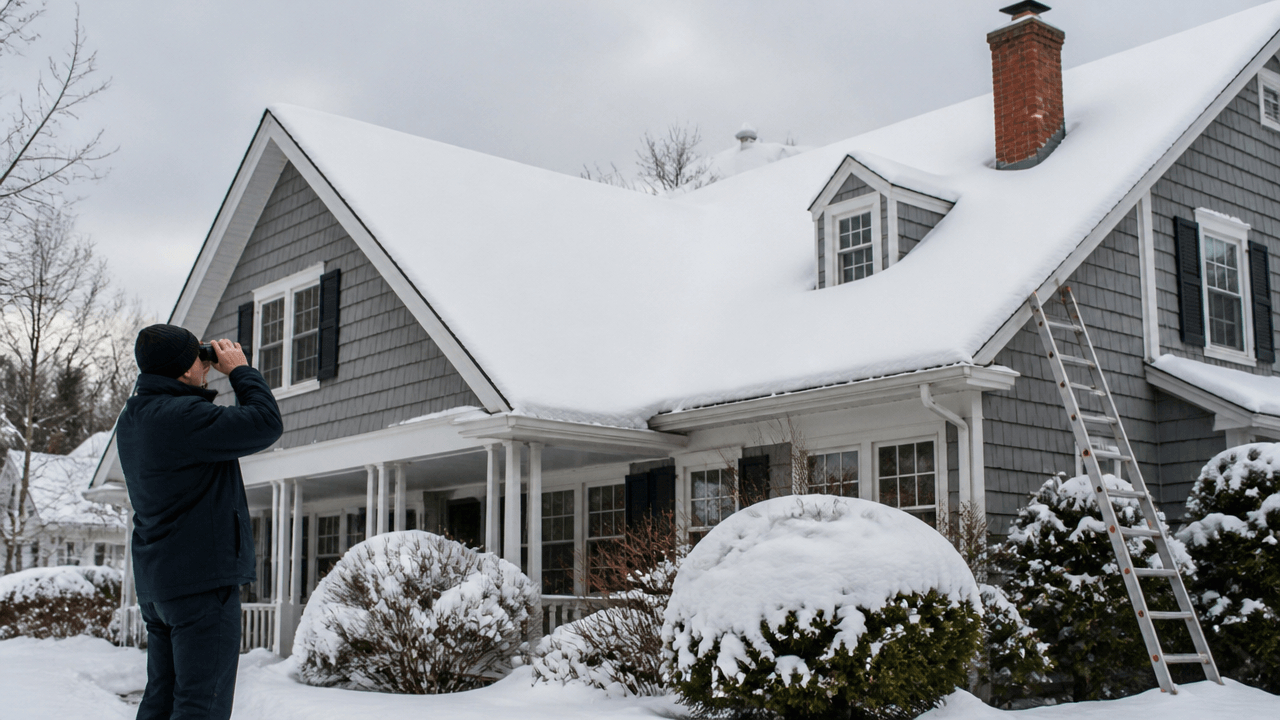
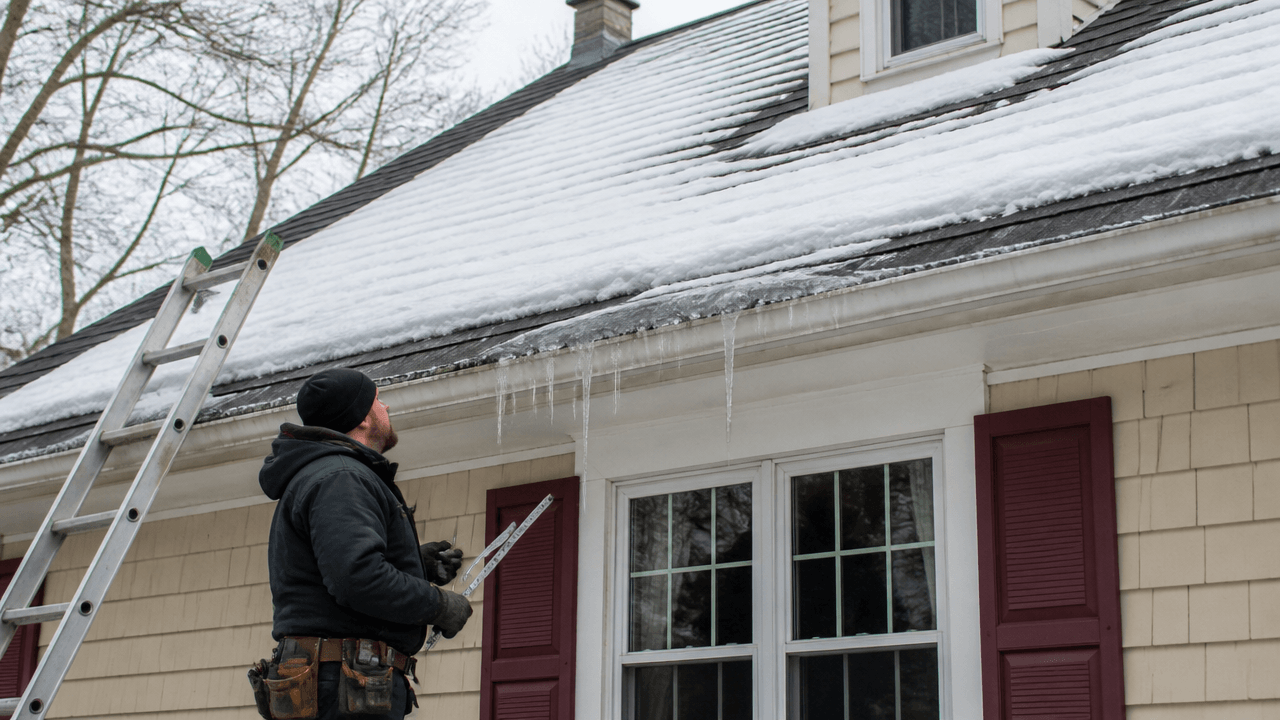
• Act early to avoid fall gutter problems. Late summer is the best time to handle gutter issues before leaves, rain, and cooler weather create overflow, leaks, or damage around your home.
• Check, clean, and repair before the season changes. A full inspection, debris removal, slope check, and hardware repair can help your gutters drain properly and stay secure when weather gets more active.
• Know when to call for professional help. If your gutters are sagging, leaking, or not moving water correctly, a professional installation or repair can protect your home and save you from bigger issues later.
Why Gutter Prep Matters Before Fall
Late summer is the right time to get ahead of gutter trouble before cooler weather moves in. When leaves start falling in Longmeadow, water can back up fast if the system is already clogged or damaged. That can lead to overflow, staining, and costly problems around the roofline and foundation.
We often see small gutter issues turn into bigger repairs once the season changes. A quick check now can help keep rainwater moving where it should and reduce stress on your home. If you are looking for help with gutter installation before fall season, our gutter services can help you stay ahead of the weather.
In our experience, homes in Longmeadow need extra attention as summer winds down. Heavy rain, falling leaves, and early storms can all expose weak spots in older gutters. Taking action now gives you more time to fix issues before they become harder to manage.
How We Help Protect Your Home
A good gutter system does more than move water away from the house. It helps protect siding, trim, landscaping, and the areas around your foundation from repeated moisture exposure. That is why timing matters when you are planning gutter installation before fall season in Longmeadow, MA.
We look for signs that the current setup is no longer doing its job, such as sagging sections, leaks at the seams, and water spilling over the edge. When gutters are not sized or placed correctly, they can miss the mark during heavier rain and seasonal debris buildup. Getting ahead of the problem now is a practical way to protect your home before fall weather becomes more active.
Step-by-Step Gutter Prep Guide
🧰 Step 1: Inspect the Gutter System
Look closely at the gutters, downspouts, and fasteners for sagging, cracks, rust, or loose sections. These signs often mean the system is no longer draining water the way it should. A careful inspection helps you catch problems early before seasonal rain makes them worse.
🧼 Step 2: Clear Out Debris
Remove leaves, twigs, and dirt from inside the gutters and downspouts. Clogged gutters trap water and can cause overflow during storms, which is especially risky as fall approaches. Clearing the buildup gives you a clean starting point for the rest of the work.
📏 Step 3: Check Slope and Drainage
Make sure the gutters are angled so water can flow toward the downspouts. If the pitch is off, water may sit in the trough and add weight that can pull the system loose. Proper drainage is important because it helps the gutters handle steady rain instead of backing up.
🔩 Step 4: Secure Loose Hardware
Tighten or replace loose hangers, spikes, and screws that keep the gutters attached to the home. Strong attachment matters because wind, rain, and debris can place extra strain on weak spots. This step helps the system stay stable through changing weather.
🛠️ Step 5: Replace Damaged Sections
Swap out any warped, cracked, or leaking gutter pieces before the season shifts. Damaged parts can reduce the system’s ability to move water and may cause leaks at the roof edge or fascia. Replacing those sections now helps avoid bigger problems later.
💧 Step 6: Test Water Flow
Run water through the gutters to see how it moves through the system and out the downspouts. This simple check shows whether water is draining properly or collecting in one spot. It is one of the best ways to confirm the system is ready for seasonal rain.
🍂 Step 7: Plan for Leaf Buildup
Think ahead about how nearby trees may affect the gutters once fall begins. Homes with more tree cover often need extra attention because leaves can quickly block drainage. Planning for that buildup now makes maintenance easier once the season changes.
📞 Step 8: Schedule Professional Help if Needed
Call in a roofing and gutter team if the system needs repairs, replacement, or a new installation. Professional work helps make sure the gutters are sized, placed, and secured correctly for your home. That matters even more when you are trying to finish gutter installation before fall season on time.
Common DIY Mistakes to Avoid
Many homeowners try to handle gutter work on their own, but a few simple mistakes can lead to bigger issues. Most of these problems happen when the inspection is rushed or the system is only partly repaired. Knowing what to avoid can save time and help the gutters work the way they should.
⚠️ Mistake 1: Skipping a Full Inspection
This happens when someone only glances at the gutters instead of checking every section, including downspouts and fasteners. Small damage is easy to miss, and that often leads to leaks or sagging later on. Prevent this by inspecting the full system before doing any repairs or installation work.
❌ Mistake 2: Leaving Debris Inside the Gutters
Some people clean only the visible areas and forget about packed material near the corners or downspouts. That usually happens because the buildup is not easy to see from the ground. Prevent it by clearing all debris and checking that water can move freely through the whole system.
🚫 Mistake 3: Ignoring the Slope
A gutter that sits flat or tilts the wrong way will not drain well. This mistake often happens when people focus on attaching the gutters but do not check the angle. Prevent it by making sure water naturally flows toward the downspouts after installation or repair.
⚠️ Mistake 4: Reusing Weak Hardware
Old hangers, screws, and spikes may not hold the gutters securely through wind and rain. Homeowners often reuse them to save time, but that can leave the system loose. Prevent this by replacing worn hardware whenever the system shows signs of strain.
❌ Mistake 5: Waiting Until the Weather Changes
Delaying the job until fall storms are already starting can make the work harder and more urgent. This usually happens when homeowners do not realize how quickly debris and rain can overwhelm a weak system. Prevent it by handling gutter installation before fall season while the weather is still stable.
Frequently Asked Questions
Why should gutters be installed before fall?
Yes, gutters should be installed before fall because leaves and heavier rain can quickly overwhelm a weak or missing system. Getting the work done early helps protect the roof edge, siding, and foundation before seasonal debris starts piling up.
What are the signs that I need new gutters?
Yes, signs like sagging sections, leaks, rust, and water spilling over the sides often mean new gutters may be needed. If the system is pulling away from the home or not draining properly, it is time to take a closer look.
How does gutter installation before fall season help my home?
Yes, gutter installation before fall season helps by moving rainwater away from your home before leaves and storms create extra stress. It lowers the chance of overflow, moisture damage, and problems around the foundation.
Can clogged gutters cause damage in the fall?
Yes, clogged gutters can cause serious damage in the fall because trapped water has nowhere to go. That can lead to overflow, wood rot, staining, and water pooling near the base of the house.
Do I need a professional for gutter installation?
Yes, a professional is often the best choice if the system needs new sections, proper sizing, or secure mounting. Expert installation helps make sure the gutters are set up to handle local weather conditions and seasonal debris.
Ready for the Season Ahead
Getting your gutters in shape before fall is one of the simplest ways to protect your home from seasonal water problems. A clean, secure, and properly draining system can make a real difference when rain and leaves start to build up. If you are planning ahead in Longmeadow, MA, now is the right time to act.
At JJ Landerman Commercial & Residential Roofing, we know how important it is to stay ahead of weather changes before they create avoidable repairs. We are here to help homeowners make smart choices that support long-term protection and peace of mind. For more updates and project highlights, follow us on social media.