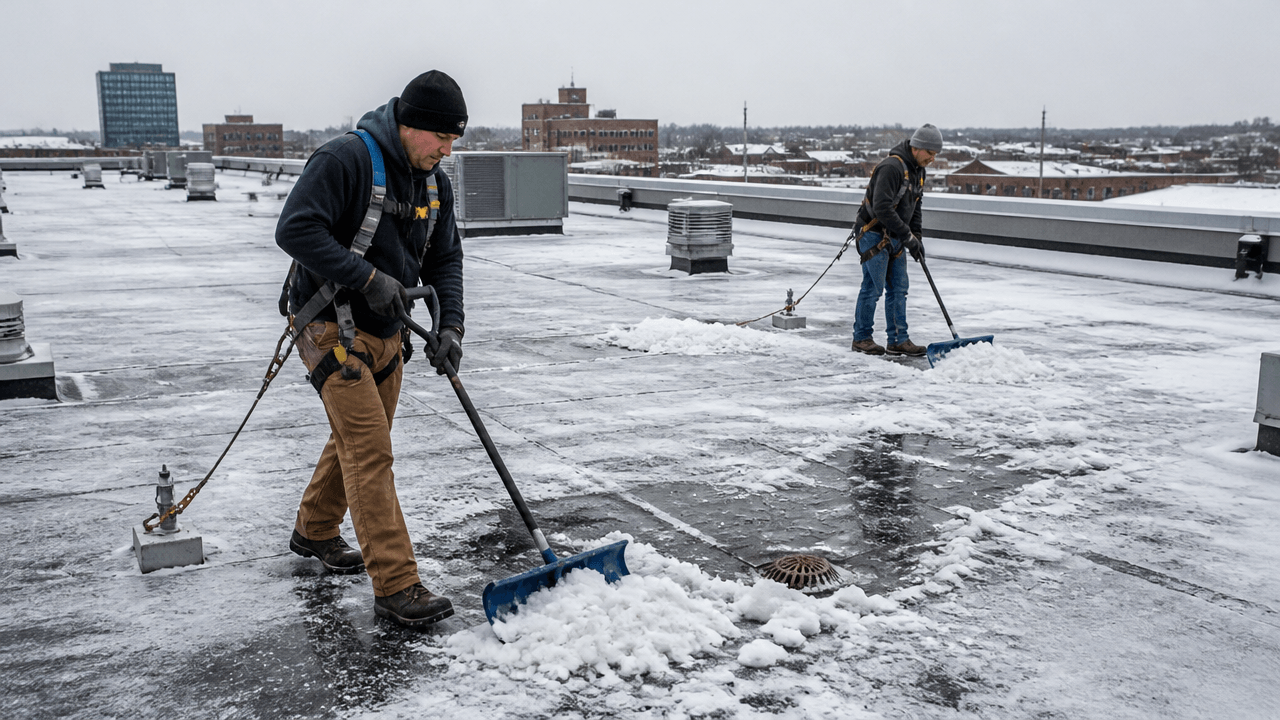
• PVC and TPO are both strong flat roof options, but the best choice depends on how the building is used, how water drains, and how much heat and weather the roof must handle.
• In Springfield, MA, summer heat and sudden rain can wear on flat roofs fast, so it helps to compare seam strength, repair needs, and long-term value before deciding.
• This guide breaks down the key differences between PVC vs TPO roofing for flat roofs and shares practical tips to help building owners make a smart, timely choice.
Why Flat Roof Choices Matter in Springfield
Summer in Springfield can be hard on a flat roof. Heat, rain, and strong sun can all put stress on the membrane and seams. When you are weighing PVC vs TPO roofing for flat roofs, the wrong choice can lead to early wear and more repairs later.
That is why the details matter before the season shifts again. A roof that fits the building, weather, and budget can help avoid bigger problems down the road. If you want a better starting point, our roofing materials page can help frame the options.
Flat roofs need careful planning because small issues can spread fast. Ponding water, seam separation, and surface damage often show up after repeated weather exposure. In a place like Springfield, that means a smart decision now can save time and stress later.
How PVC and TPO Compare on Flat Roofs
PVC and TPO are both common single-ply roofing options, but they are not built the same. PVC is known for strong resistance to chemicals and oils, while TPO is often chosen for its heat-reflective surface and lower upfront cost. When comparing PVC vs TPO roofing for flat roofs, we look at how each material performs in real conditions, not just on paper.
We also look at the building itself. A restaurant, warehouse, or office building may face different demands, and that changes the best fit. For larger systems, our commercial roofing services are designed to match the roof with the job it has to do.
Tips from the Pros
🔎 Tip 1: Check How Water Moves
Flat roofs should not hold water for long. If a roof has poor drainage or low spots, material choice matters even more because standing water can speed up wear. We always look at drainage first before deciding between PVC and TPO.
🌡️ Tip 2: Think About Summer Heat
Summer sun can make roof surfaces work harder. TPO is often picked for its bright surface, which can help reflect heat, while PVC also performs well in many warm-weather settings. The right pick depends on the building, not just the season.
🧪 Tip 3: Match the Material to the Building Use
Some buildings face more grease, oils, or chemicals than others. PVC is often a strong fit for that kind of exposure, while TPO may work well for many standard flat roof setups. The use of the building should always guide the final choice.
🛠️ Tip 4: Pay Attention to Seams
A flat roof is only as good as its seams. Clean, tight seams help reduce the risk of leaks and edge problems over time. We inspect seam quality closely because that is where many flat roof issues start.
📋 Tip 5: Compare More Than Price
The lowest price does not always mean the best value. A material that costs more upfront may last better in the right setting and save money over time. We recommend looking at lifespan, maintenance, and weather fit together.
🌧️ Tip 6: Plan for Heavy Rain
August weather in Springfield can still bring strong storms and fast rain. Both PVC and TPO can perform well when installed correctly, but the roof design and drainage system matter just as much. A good roof choice should help the building handle sudden weather changes.
🔧 Tip 7: Ask About Repairability
Some roof systems are easier to repair than others. If a building may need frequent patching or future work, it helps to choose a material that fits that plan. We always consider how easy it will be to maintain the roof over the long run.
🏢 Tip 8: Use a Roof Plan Built for the Property
Every flat roof has its own age, slope, and wear pattern. That is why PVC vs TPO roofing for flat roofs should never be chosen by guesswork alone. A roof plan based on the property gives the building a better chance to stay protected.
Frequently Asked Questions
Which is better for flat roofs, PVC or TPO?
Both can work well, but the better choice depends on the building and what the roof will face. PVC vs TPO roofing for flat roofs often comes down to exposure, budget, and long-term needs. PVC is often favored in tougher chemical environments, while TPO is often used for standard flat roof systems.
Is TPO cheaper than PVC?
Yes, TPO is often the more budget-friendly option at the start. That said, the full value depends on how the roof performs over time in your building’s conditions. A lower upfront cost is not always the better long-term deal.
How long do PVC and TPO flat roofs last?
Yes, both can last many years when installed and maintained properly. Lifespan depends on weather, drainage, roof traffic, and the quality of the installation. Regular care can make a major difference in how long either system holds up.
Can PVC vs TPO roofing for flat roofs handle summer heat?
Yes, both materials are used on flat roofs in warm weather. TPO is often chosen for its reflective surface, while PVC also performs well when the roof is matched to the building’s needs. In Springfield summers, installation quality and drainage matter just as much as the material itself.
What should I look at before choosing a flat roof material?
You should look at the building use, drainage, weather exposure, and repair needs. Those factors often matter more than price alone. The right material should fit how the roof will be used over time.
Final Thoughts on Flat Roof Choices
Choosing between PVC and TPO is not just about picking a roof type. It is about finding the right fit for the building, the season, and the way the roof will perform in Springfield weather. When we help clients review their options, we focus on what will protect the property now and hold up later.
If you are planning work on a flat roof, it helps to act before small issues grow into larger ones. A smart decision today can reduce stress during the next stretch of hot sun and heavy rain. You can also follow us on social media for more roofing updates and tips.