• Fast action matters after storm damage. Commercial roofs in Danbury can hide leaks, loose seams, and flashing problems that get worse after rain and wind. Early inspection helps stop small issues from turning into larger repairs.
• A clear repair process protects the building. The right approach includes checking the roof, documenting damage, clearing debris, finding leaks, and repairing or replacing damaged sections. This keeps the roof stable and helps reduce downtime.
• Common mistakes can make damage worse. Waiting too long, missing hidden trouble spots, and using quick fixes without a full plan can lead to bigger problems later. A step-by-step response gives property owners a safer path after a storm.
Why Storm Damage Needs Fast Action
When a strong storm moves through Danbury, even a small roof problem can turn into a bigger one fast. Water, wind, and flying debris can leave behind damage that is hard to see at first. If the roof is not checked quickly, the building may face leaks, inside stains, and deeper repairs later. That is why commercial storm damage restoration explained matters for property owners who want to protect their building right away.
Commercial roofs in fall often deal with heavy rain, stronger winds, and falling leaves that can hide trouble spots. A damaged roof may still look fine from the ground while moisture is working its way inside the system. We help local owners understand what to look for and how to respond before the problem spreads. For more help, our commercial roofing page gives a clear look at the services we provide.
The sooner a roof is inspected, the better the chance of limiting damage and keeping business on track. Small issues like lifted flashing, loose seams, and punctures can become costly if they are ignored after a storm. Acting early also helps reduce stress because the next steps become much easier to handle. In a season like fall, timing can make all the difference.
How We Handle Storm Damage Restoration
We start by looking for both visible and hidden damage across the roof surface, edges, and drainage areas. Wind and rain often affect seams, penetrations, and flashing first, so these spots deserve close attention. A careful check helps us decide what needs repair, what needs cleanup, and what may need replacement.
After the inspection, we look at the full condition of the roof and plan the repair work in the right order. This may include stopping leaks, removing damaged sections, and restoring areas that can still be saved. Commercial storm damage restoration explained in simple terms means finding the damage fast and fixing it before it spreads deeper into the building. A good plan keeps the work focused and helps the roof return to normal sooner.
Step-by-Step Storm Damage Guide
🔍 Step 1: Inspect the Roof
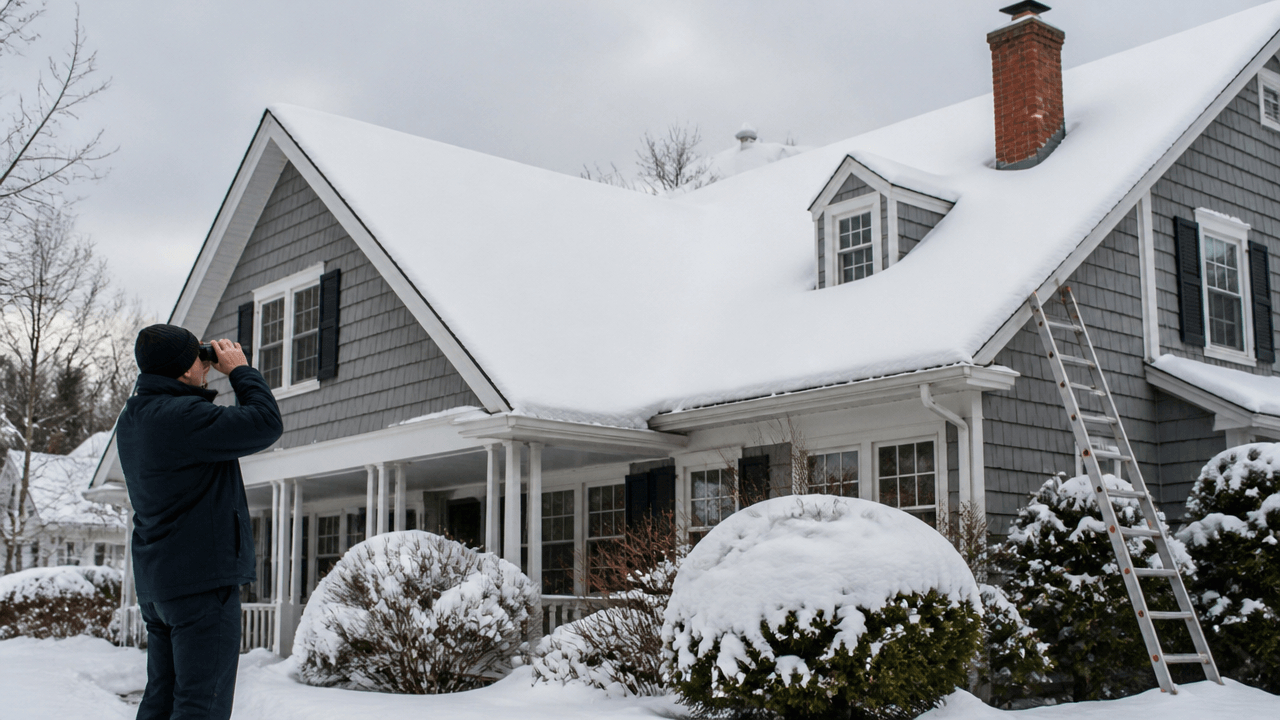
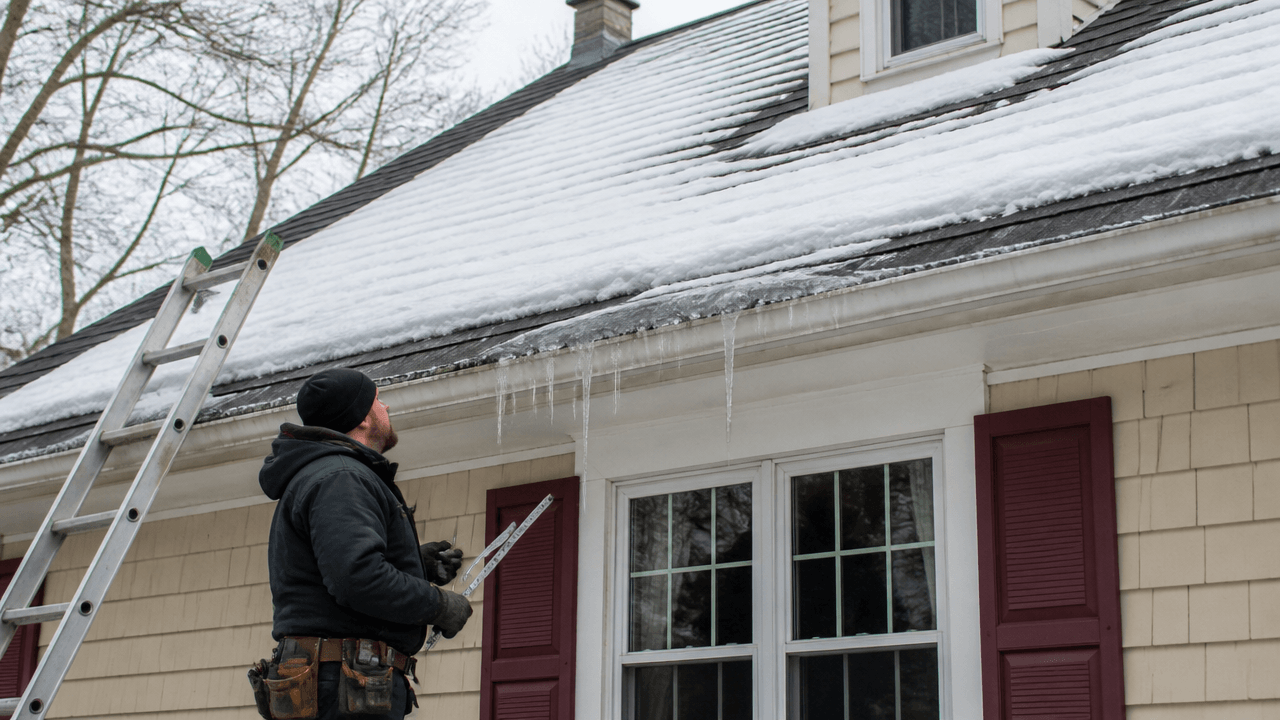
Start with a careful look at the roof from the ground and, if safe, from close range. Check for missing materials, bent flashing, ponding water, and debris that may have caused damage.
📸 Step 2: Document What You See
Take clear photos of any damaged areas before anything is moved or repaired. Good records help track the condition of the roof and show exactly where the storm caused trouble.
🧹 Step 3: Clear Loose Debris
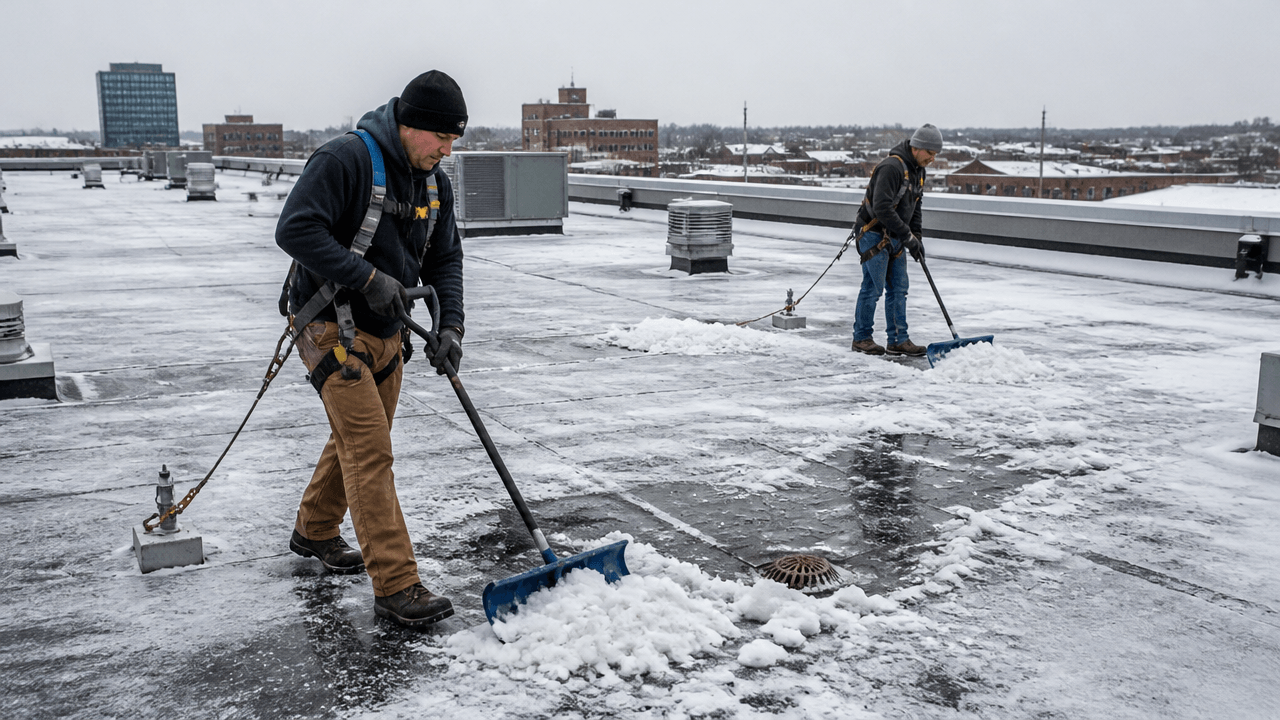
Remove branches, leaves, and other debris from the roof surface and drainage areas. This helps water move off the roof and lowers the risk of more damage.
💧 Step 4: Check for Active Leaks
Look inside the building for wet spots, stains, or dripping near ceiling areas. Even a small leak can point to a larger roof issue that needs fast attention.
🛠️ Step 5: Protect the Damaged Area
If the roof is open to weather, use a temporary protective measure to slow further water entry. This step matters because more rain can turn a repair into a much larger problem.
📋 Step 6: Review the Damage Area by Area
Look at seams, flashing, vents, and edges one section at a time. Storms often affect more than one spot, so a full review helps avoid missing hidden trouble.
🔧 Step 7: Repair or Replace What Is Needed
Fix damaged parts that can be restored and replace sections that are too far gone. The goal is to bring the roof back to a safe, working condition without leaving weak spots behind.
✅ Step 8: Recheck After the Work Is Done
After repairs, inspect the area again to make sure the damage has been handled correctly. A final check helps confirm that the roof is ready for the next round of weather.
Mistakes That Make Damage Worse
Storm damage repairs can go wrong when the first signs are ignored or rushed. Many problems start small, but they grow fast when the roof is not handled the right way. These mistakes often happen because people want to save time or avoid dealing with a larger repair right away.
⚠️ Mistake 1: Waiting Too Long to Inspect
Some property owners put off the first check because the roof still looks mostly fine. That delay often lets water spread farther into the system, especially after a fall storm. The best way to prevent this is to inspect the roof as soon as it is safe to do so.
⚠️ Mistake 2: Only Looking for Obvious Damage
It is easy to focus on missing pieces or large holes and miss smaller trouble spots. This happens because hidden damage is harder to spot and often gets overlooked. A better approach is to check seams, flashing, edges, and drainage areas during every inspection.
⚠️ Mistake 3: Leaving Debris on the Roof
Branches, leaves, and other storm debris can trap water and hide damage below the surface. This mistake usually happens when cleanup seems less urgent than the visible repairs. Removing debris early helps the roof drain properly and makes hidden issues easier to see.
⚠️ Mistake 4: Ignoring Signs Inside the Building
Water stains, damp ceilings, and musty areas indoors are often linked to roof damage above. People miss these signs because they focus only on the outside of the building. Checking the inside right away can help catch a leak before it spreads.
⚠️ Mistake 5: Trying to Patch Everything Without a Plan
Quick fixes may seem helpful, but they can leave weak spots behind if the full damage is not understood first. This happens when the repair starts before the roof has been properly reviewed. The safer choice is to identify each damaged area before deciding what should be repaired or replaced.
Frequently Asked Questions
What does commercial storm damage restoration explained mean?
It means breaking down the process of finding, fixing, and restoring a commercial roof after storm damage. The goal is to stop leaks, protect the building, and return the roof to a stable condition as quickly as possible.
How soon should a commercial roof be checked after a storm?
It should be checked as soon as it is safe to do so. Fast action helps catch damage before rain, wind, or temperature changes make the problem worse.
What are the most common signs of storm damage on a roof?
The most common signs are missing materials, lifted flashing, loose seams, debris buildup, and water stains inside the building. These signs often point to damage that may not be obvious from the ground.
Can small roof damage cause bigger problems later?
Yes, small roof damage can lead to larger repairs if it is left alone. Even a tiny opening can let in water and affect insulation, framing, and interior finishes over time.
Why is fall an important time to watch for storm damage in Danbury?
Fall is an important time because weather can change quickly, and storms may bring wind, rain, and debris that affect commercial roofs. In Danbury, that makes early roof checks especially important for preventing costly issues later.
Final Thoughts on Storm Recovery
Storm damage can move fast, but a clear response helps keep the roof and building protected. When we inspect early, document the damage, and handle repairs in order, we give the roof the best chance to recover well. That is the practical value of acting quickly and staying ahead of weather-related problems.
For commercial property owners in Danbury, fall is the right time to pay close attention to roof condition and repair needs. A steady process can help avoid bigger issues and keep business interruptions to a minimum. If you want to stay connected with our team, follow us on social media.