• A residential roof inspection before winter helps catch loose shingles, flashing gaps, and drainage problems before cold weather makes them worse.
• Checking the roof from the ground, inspecting the attic, and clearing debris are simple steps that can help protect your home from leaks and costly repairs.
• Avoid common DIY mistakes like skipping flashing, ignoring attic signs, or waiting too long, so your home stays better prepared for the season ahead.
Why a Fall Roof Check Matters
Fall in New Britain can move fast, and small roof problems often grow once colder weather arrives. If shingles are loose or flashing is worn, water can slip in and lead to damage that is harder to fix later. A timely residential roof inspection before winter helps us catch trouble early and protect the home before snow and ice set in.
Many homeowners do not notice roof wear until stains, drafts, or leaks show up inside the house. By that point, the repair can take more time and cost more than expected. We like to help families stay ahead of those problems, and our residential roofing services are built around that goal.
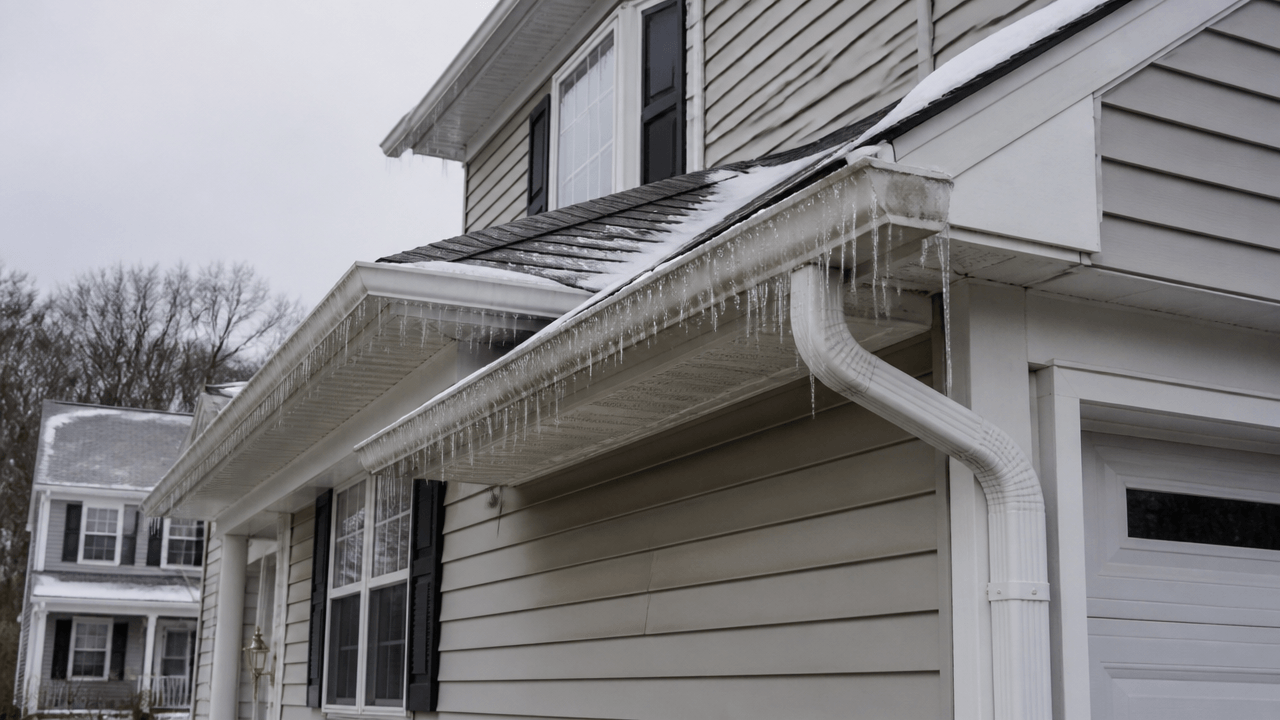
The best time to act is before the first hard freeze, while the roof is still easier to check and repair. Cold weather can make small cracks spread and can turn weak spots into bigger concerns. Taking care of a residential roof inspection before winter now gives your home a better chance to handle the season ahead.
What We Look for on a Roof
A good roof check starts with the outside surface, where we look for missing shingles, curling edges, and areas that may have shifted out of place. We also check flashing around chimneys, vents, and valleys because these spots often allow water to enter first. Even a small opening can become a real problem once steady rain, wind, or snow arrives.
Inside the home, signs like damp insulation, ceiling marks, or attic moisture can point to a roof issue above. We pay close attention to these clues because they often show where water has already started to move. A careful residential roof inspection before winter is about finding both the visible damage and the hidden weak spots before they get worse.
Step-by-Step Roof Inspection Guide
🔍 Step 1: Check the roof from the ground
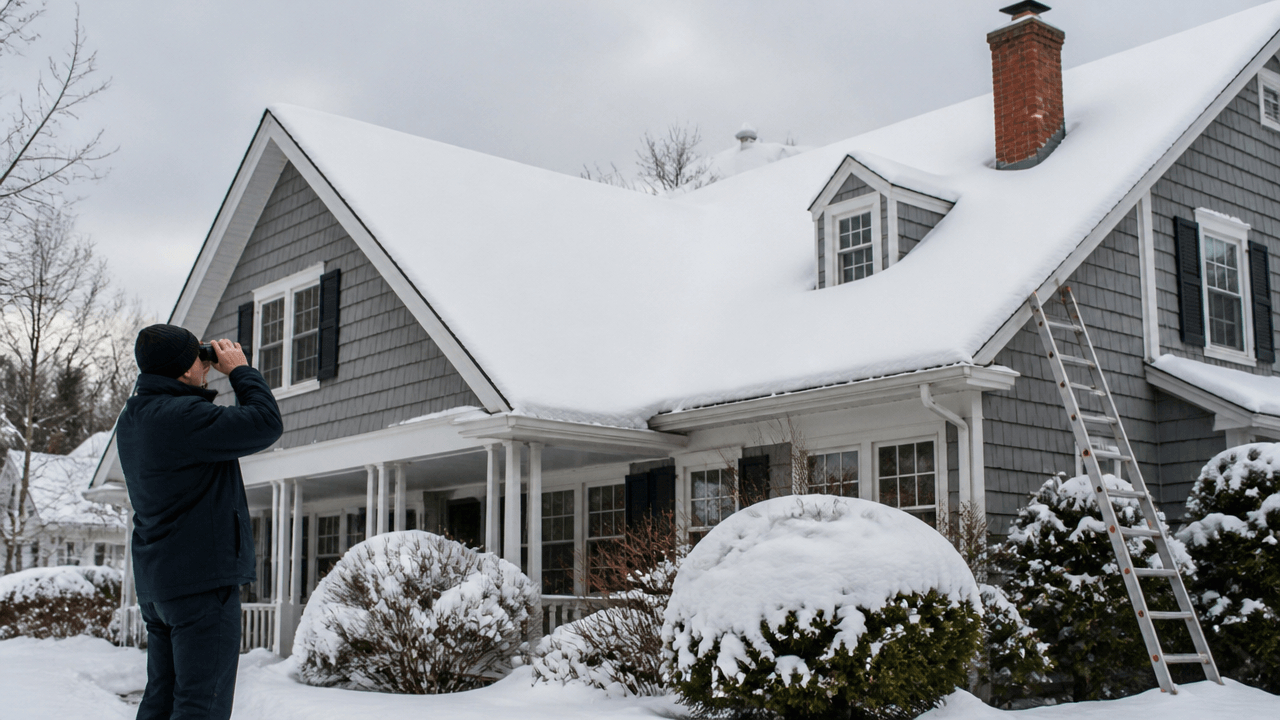
Start by looking at the roofline from a safe spot on the ground. Watch for uneven shingles, sagging areas, or visible damage that stands out right away. This first look helps you spot obvious trouble before you go any further.
🪜 Step 2: Use a safe way to reach the roof
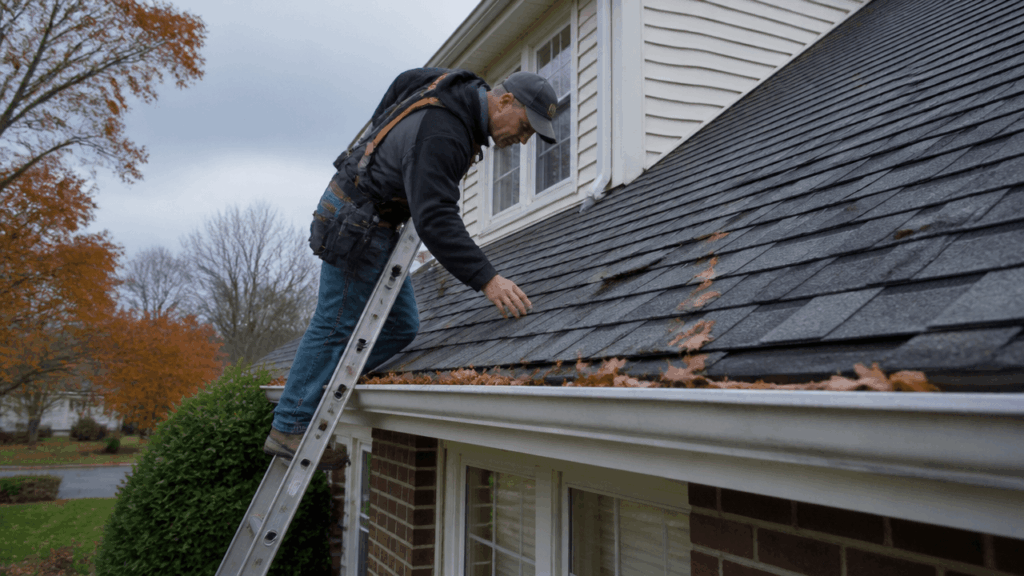
If you need a closer look, use the right safety gear and a stable ladder. Never rush this part, because falls are one of the biggest risks during home maintenance. A safe setup lets you inspect the roof more carefully and lowers the chance of injury.
🧱 Step 3: Inspect shingles and surface material
Look for cracked, loose, curled, or missing shingles across the roof. These signs matter because damaged shingles can let water reach the layers below. A careful look here helps you catch wear before winter weather makes it worse.
🔧 Step 4: Check flashing and roof edges
Pay close attention to the metal flashing around vents, chimneys, skylights, and edges. These joints are common entry points for moisture when seals begin to fail. Finding damage in these areas early can help prevent leaks during snow and freeze cycles.
🧹 Step 5: Clear debris from the roof and gutters
Remove leaves, sticks, and other debris so water can move off the roof the way it should. Blocked drainage can trap moisture and put extra stress on the roof surface. Clean surfaces also make it easier to spot cracks or soft areas during the inspection.
🏠 Step 6: Look inside the attic
Check the attic for damp insulation, wet wood, daylight coming through the roof boards, or any musty smell. These signs can point to moisture entering the home even when the roof looks fine from outside. An attic check is a simple way to confirm whether the roof is keeping water out.
📝 Step 7: Note anything that looks off
Write down any damage, soft spots, or areas that need follow-up attention. This helps you stay organized and makes it easier to decide what needs repair first. Clear notes also help you remember what changed if you check the roof again later.
Common Mistakes to Avoid
A roof check can seem simple, but small mistakes often lead to missed damage or unsafe conditions. Many homeowners try to hurry through the process or focus only on what is easy to see. Avoiding these issues makes a residential roof inspection before winter much more useful and far safer.
- ⚠️ Mistake 1: Only checking the roof from far away
This happens when people think a quick look from the driveway is enough. It is easy to miss loose shingles, flashing gaps, or debris that can cause trouble later. To prevent this, use both a ground view and a closer inspection when it is safe to do so. - ⚠️ Mistake 2: Ignoring flashing and edge areas
This mistake often happens because homeowners focus on shingles and forget the joints. Flashing is one of the most common places for leaks to start, especially before winter weather hits. Prevent it by giving chimneys, vents, and roof edges equal attention during the check. - ⚠️ Mistake 3: Skipping the attic inspection
People often leave out the attic because they assume roof issues will always show outside first. In reality, moisture and daylight in the attic can reveal hidden problems early. Prevent this by always checking inside after looking at the roof surface. - ⚠️ Mistake 4: Leaving debris on the roof and in gutters
This usually happens when the inspection is treated like a visual task only. Leaves and sticks can block water flow and add stress to the roof system. Prevent this by clearing debris as part of the inspection process. - ⚠️ Mistake 5: Waiting until cold weather arrives
Homeowners often delay because the roof looks fine in warm weather. Once winter starts, repairs can become harder and small issues can spread faster. Prevent this by handling a roof check early in fall, before the first freeze.
Frequently Asked Questions
When should I schedule a roof inspection before winter?
Yes, the best time is early to mid-fall, before the first hard freeze. That timing gives enough room to fix small problems before cold weather makes them worse.
What are the signs that my roof needs attention?
Yes, missing shingles, curled edges, stained ceilings, and damp attic areas are all warning signs. These issues often mean water is getting in or the roof surface is wearing down.
Can I do a residential roof inspection before winter myself?
Yes, you can do a basic visual check from the ground and inside the attic. For anything involving roof access, steep slopes, or clear damage, it is safer to bring in a roofing professional.
Why is fall the right season for a roof check in New Britain?
Yes, fall is the right time because the weather is usually mild enough for inspection and repair work. It also gives homeowners a chance to prepare before snow, ice, and freeze-thaw cycles put more stress on the roof.
How often should a home roof be inspected?
Yes, a roof should be checked at least once a year and after major storms. A regular residential roof inspection before winter is one of the best ways to catch small issues before they turn into bigger repairs.
Final Thoughts for a Safer Winter
A smart roof check in fall can save time, stress, and money once winter weather settles in. By looking for damage early, checking the attic, and clearing problem spots, we give the home a better chance to stay dry and protected. That is why a residential roof inspection before winter should always be part of seasonal home care.
In New Britain, cold weather can arrive fast, so waiting too long is not worth the risk. When you stay ahead of roof trouble now, you help protect the house through the months ahead with more confidence. If you want to keep up with our work and updates, follow us on social media.