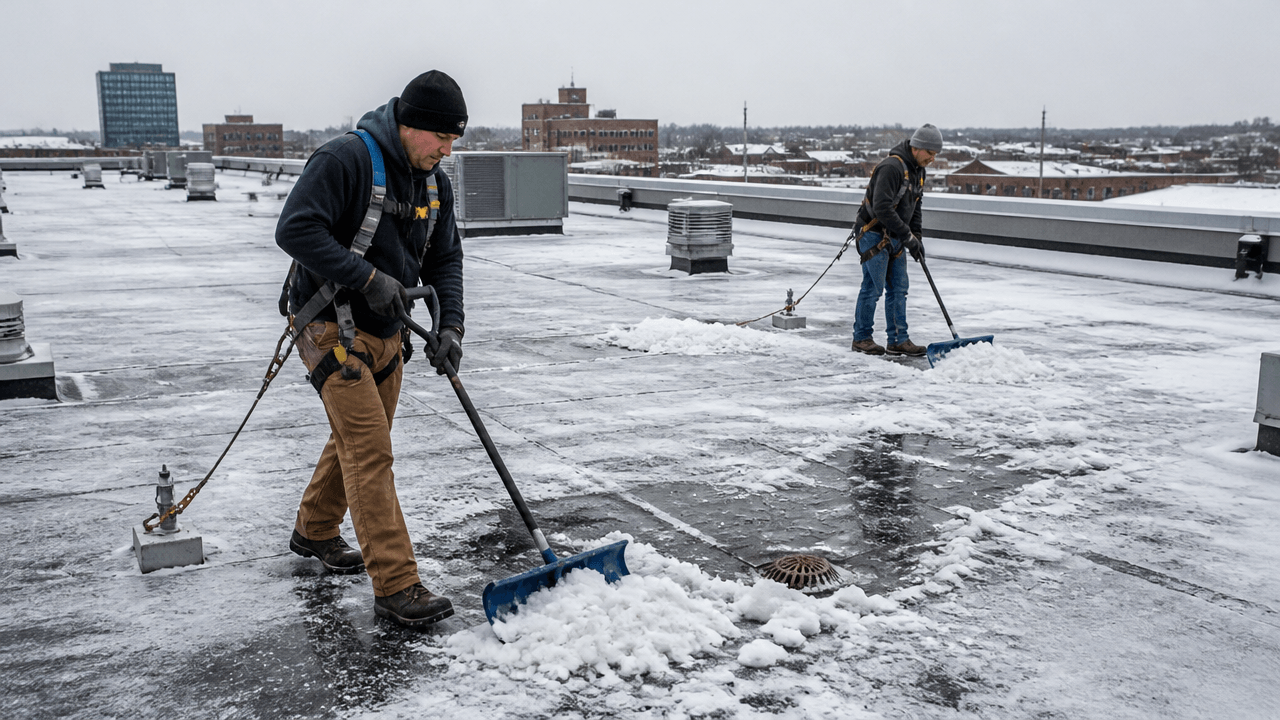
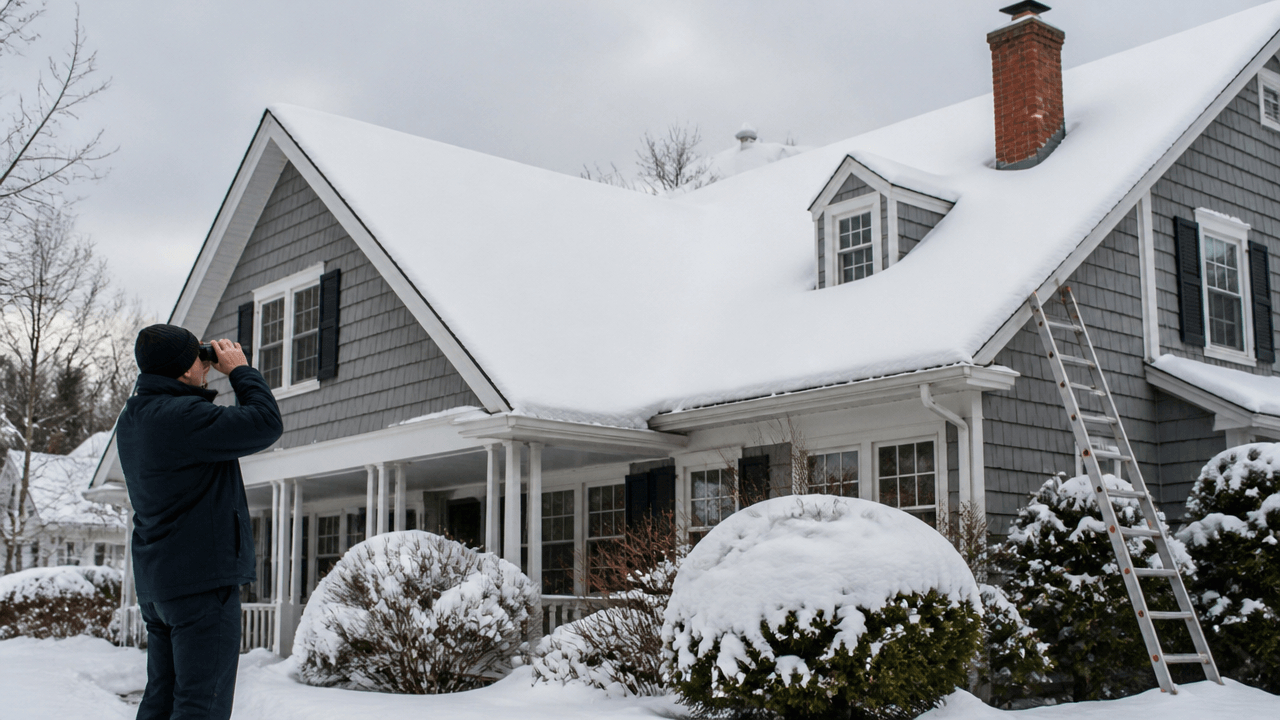
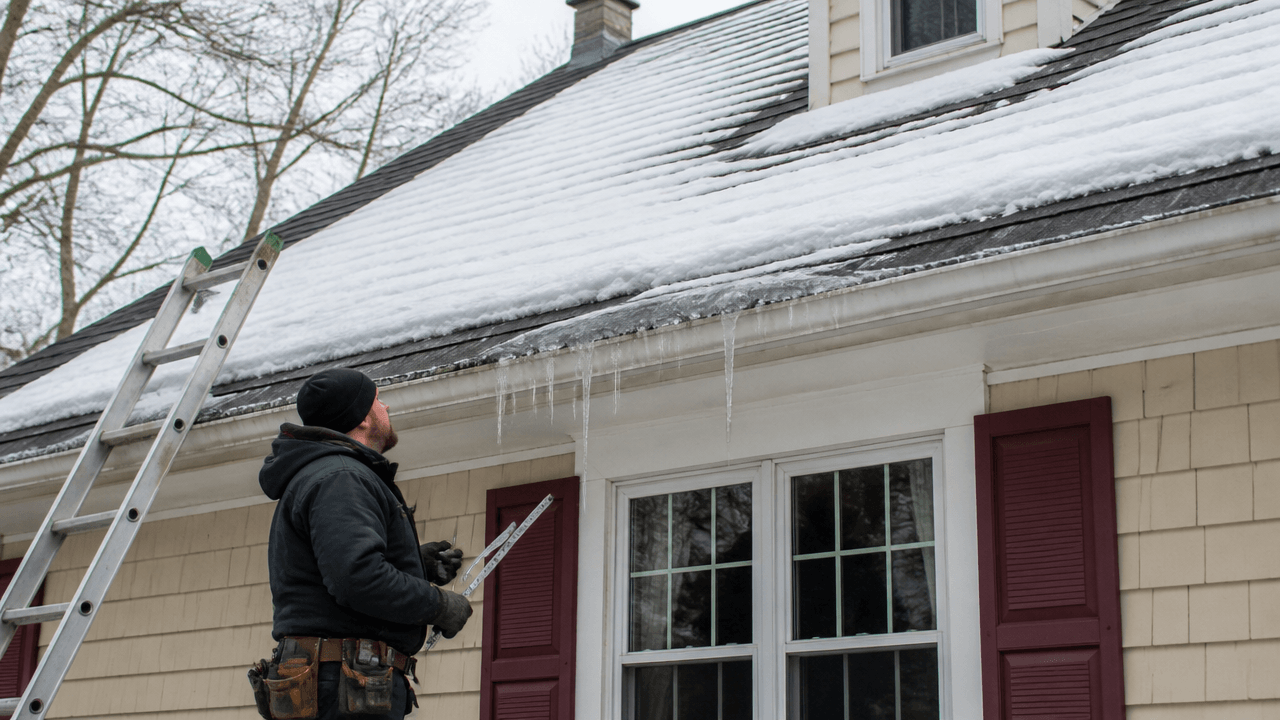
• Ice and water shield helps protect roofs from leaks in the spots most likely to fail during cold, wet weather.
• A simple checklist can help homeowners spot weak areas early and prepare their roof before winter weather gets worse.
• Knowing where this roofing layer matters most can help you make smarter repair or replacement choices for better long-term protection.
Set a Simple Goal for Your Roof This Fall
The main goal of an ice and water shield is to help protect your roof from leaks when cold weather brings snow, rain, and ice. In Chicopee, MA, that extra layer can make a big difference as fall turns into winter.
This roofing layer helps seal weak spots where water can work its way under shingles. It is especially useful around roof edges, valleys, and other areas that often take the most weather damage.
If your roof is due for repairs or a full upgrade, it is smart to ask about protection that fits the season. Learn more about residential roofing services that can help keep your home ready for colder weather.
Checklist for Protecting Your Roof This Fall
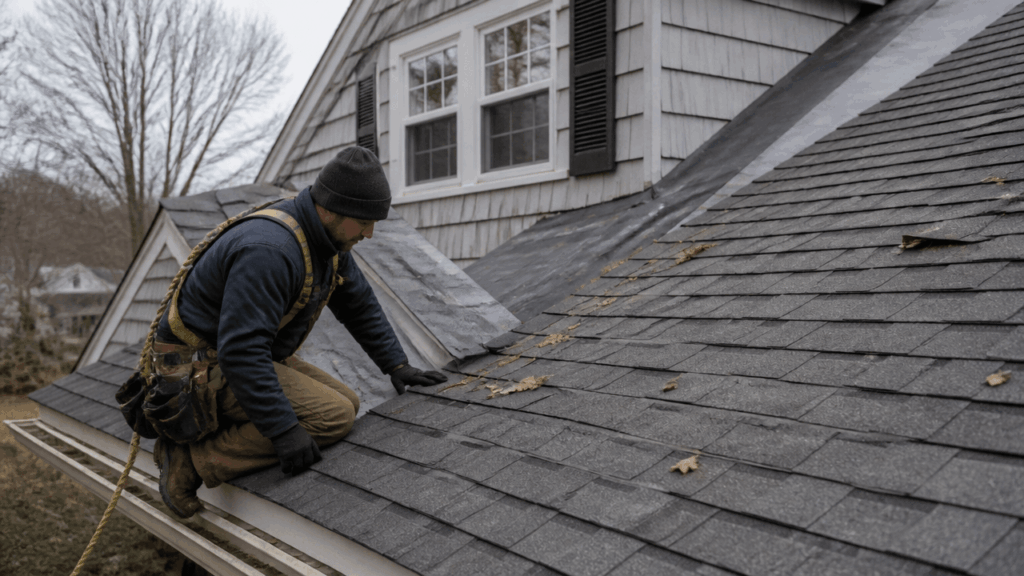
Use this checklist to help your roof stay ready for colder weather and reduce the chance of leaks when snow and ice arrive. A properly planned ice and water shield can add an important layer of defense in the right areas.
- ✅ Check roof valleys for spots that need extra protection
- ✅ Inspect roof edges where water can seep under shingles
- ✅ Look for signs of worn or damaged underlayment
- ✅ Make sure flashing is secure around chimneys and vents
- ✅ Clear debris that can trap moisture on the roof
- ✅ Ask about sealing weak areas before winter weather starts
- ✅ Confirm that attic ventilation is helping control ice buildup
- ✅ Schedule a roofing inspection before the season gets colder
These steps can help lower the risk of water damage and give your roof better support through the fall and winter months. Taking care of small issues now can save time, stress, and repair costs later.
If your roof has older materials or signs of wear, it may be the right time to ask a roofing professional about added protection. A careful inspection can show whether your home would benefit from targeted sealing and stronger weather defense.
Additional Advice
One of the best things you can do is have your roof checked before the first hard freeze. A roofing pro can spot weak areas that may need ice and water shield protection before winter weather puts pressure on the system.
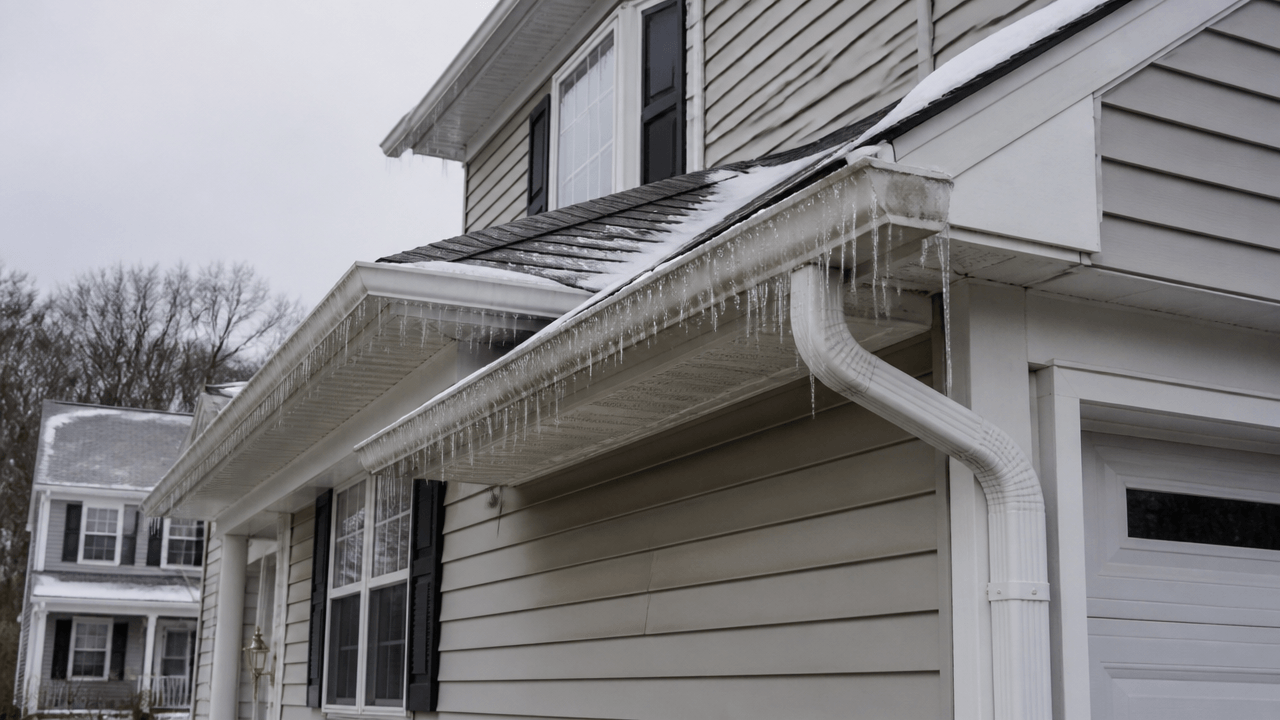
It also helps to keep an eye on places where snow and water tend to collect. Valleys, eaves, and other low spots are common trouble areas, and small problems there can turn into leaks fast if they are ignored.
Homeowners should avoid waiting until water stains show up inside the house. If your roof is older or has already been repaired a few times, it may be time to review other materials and service options through roofing material options that fit the home and the season.
Good planning matters just as much as the materials themselves. A trusted roofer can help you decide where added protection makes the most sense and keep your home better prepared for the cold months ahead.
Frequently Asked Questions
What does ice and water shield do on a roof?
It helps block water from getting under the shingles in areas where leaks are more likely to start. This added layer is especially useful during snow, ice, and heavy rain.
Where is ice and water shield usually installed?
It is usually installed in roof valleys, along eaves, and around weak points such as vents and chimneys. These are the areas most likely to take on moisture during bad weather.
Do all roofs need ice and water shield?
No, but many roofs in colder climates benefit from it. Homes that deal with snow, ice dams, or wind-driven rain often need this extra layer of protection.
Can ice and water shield help prevent roof leaks?
Yes, it can help prevent roof leaks by sealing vulnerable areas under the shingles. It is not a fix for every roofing problem, but it adds valuable protection where water tends to get in first.
When should a homeowner ask about ice and water shield?
A homeowner should ask about it before a roof repair or replacement, especially before winter. It is a smart choice when the roof is aging, exposed to harsh weather, or showing signs of wear.
Roof Protection That Builds Real Confidence
Cold weather can be hard on a roof, but the right planning makes a big difference. When you focus on weak spots early and use the right materials, you give your home a better chance of staying dry through the season.
That is why it pays to treat roof protection as a practical step, not a last-minute fix. For more updates from our team, follow us on social media.