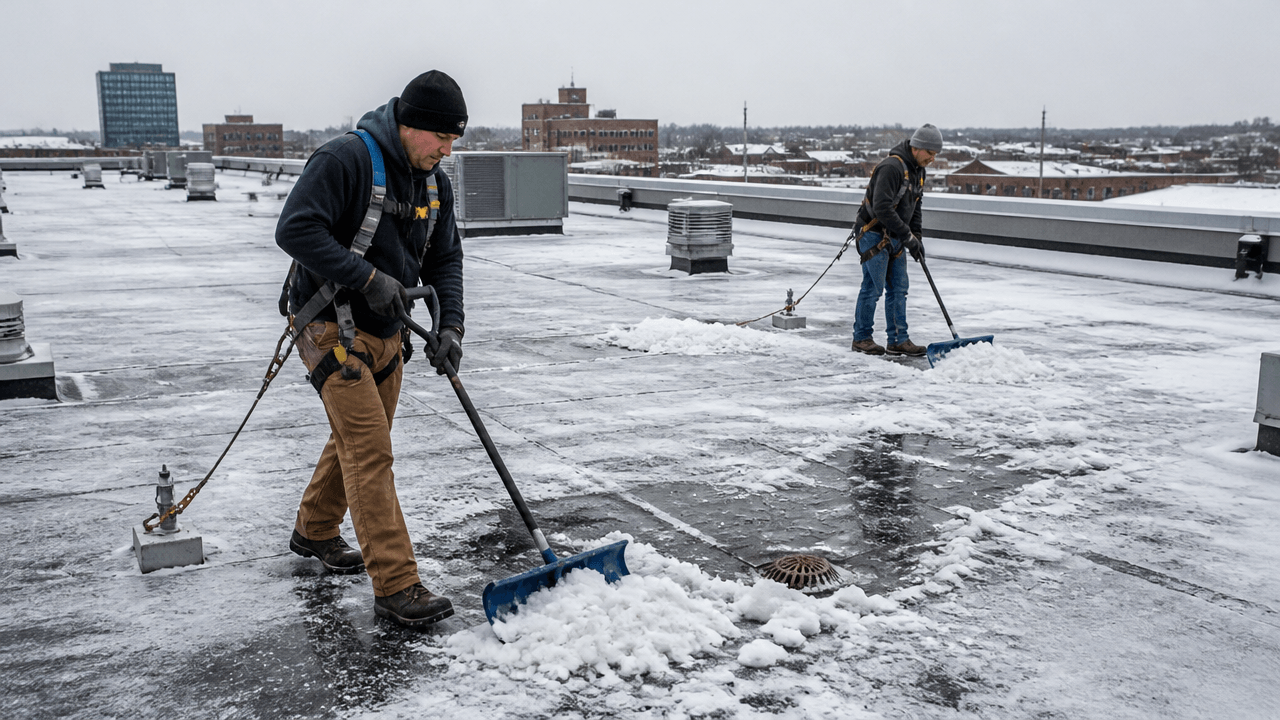
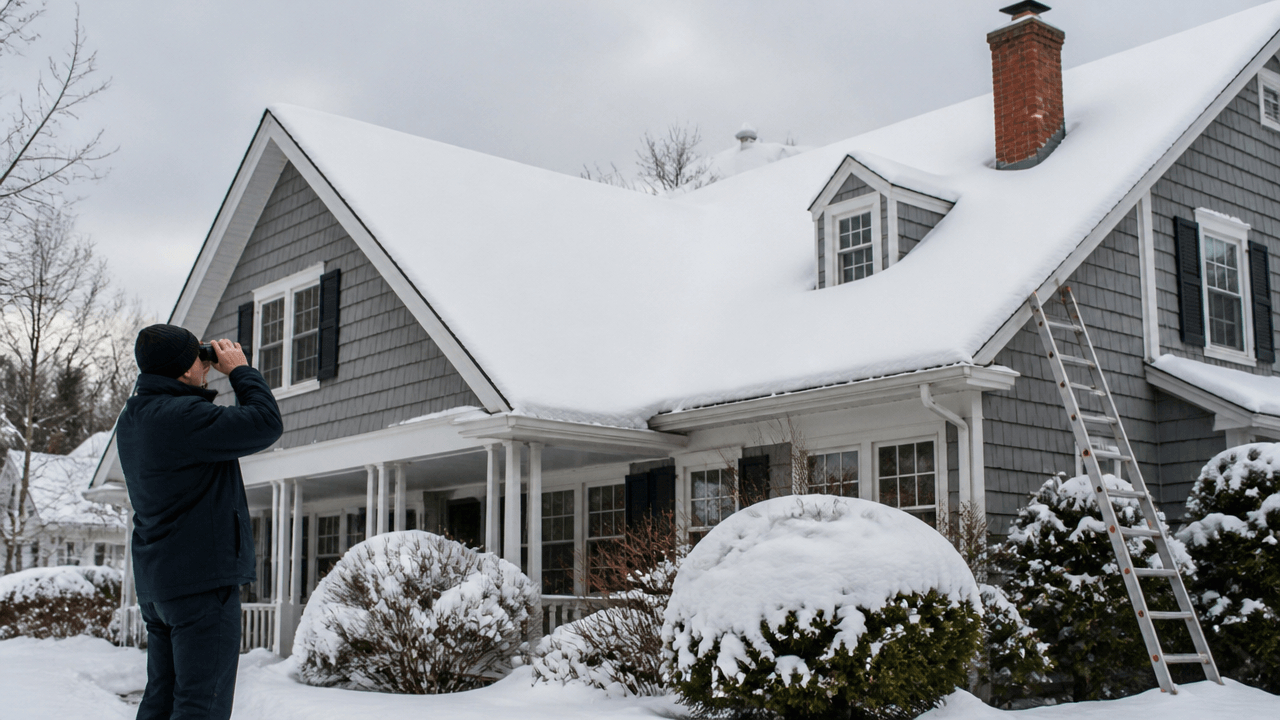
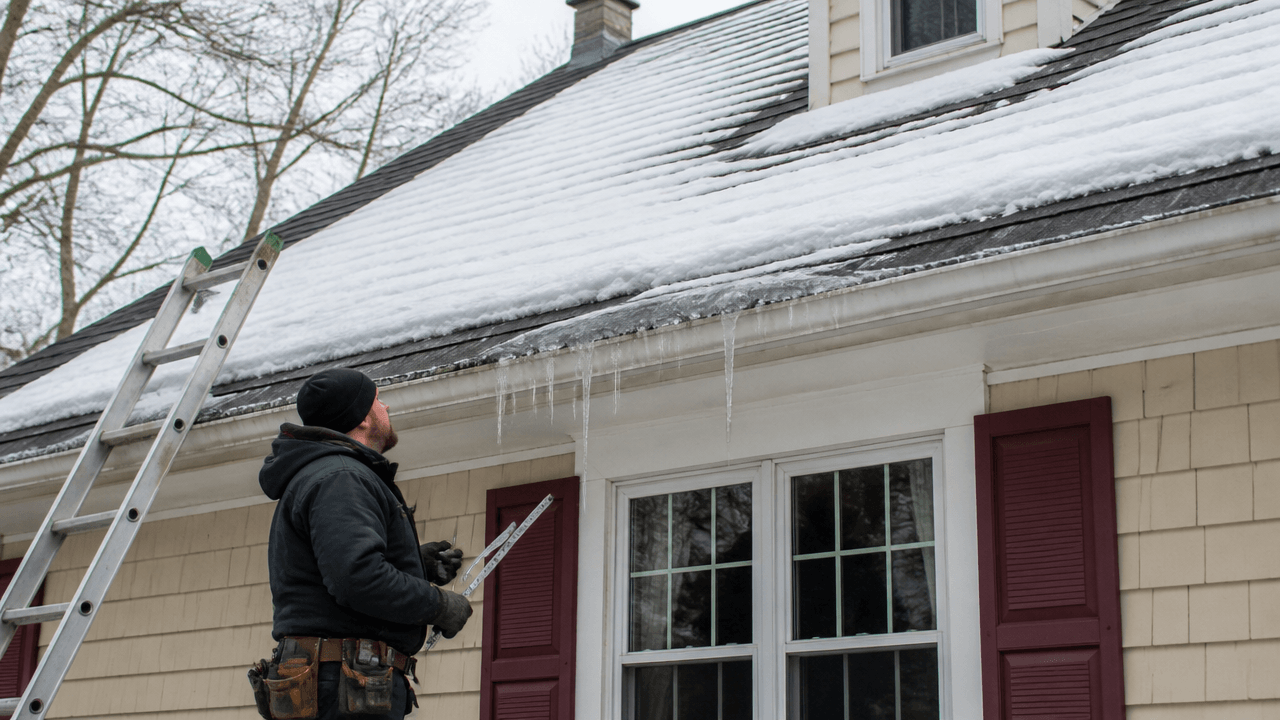
• Ice dams form when warm air escapes into the attic and melts snow on the roof, then the water refreezes at the eaves and can force leaks under shingles.
• The best way to reduce the risk is to improve attic insulation, keep ventilation open, and seal air leaks so the roof stays colder and snow melts more evenly.
• Early inspection and simple winter prep can help protect the roof, gutters, ceilings, and insulation before small ice buildup turns into costly damage.
Why Ice Dams Need Attention Now
When cold weather settles into Hadley, roof edges can become a place where hidden trouble starts fast. Ice dam prevention matters because melted snow can refreeze at the eaves and push water back under shingles. That can lead to stained ceilings, damp insulation, and other costly roof problems before many homeowners notice.
A small buildup of ice can turn into a bigger issue after just a few freeze and thaw cycles. We often see damage start when heat escapes from the attic and warms the roof unevenly. If you want to learn more about roof care in our area, you can start with our service area page for more local information.
The good news is that many winter roof problems can be reduced with the right prep before storms hit. Simple roof and attic fixes can make a big difference when temperatures drop in November and beyond. Acting early helps protect the roof, the home, and the comfort inside.
How Roofs Stay Safer Through Winter
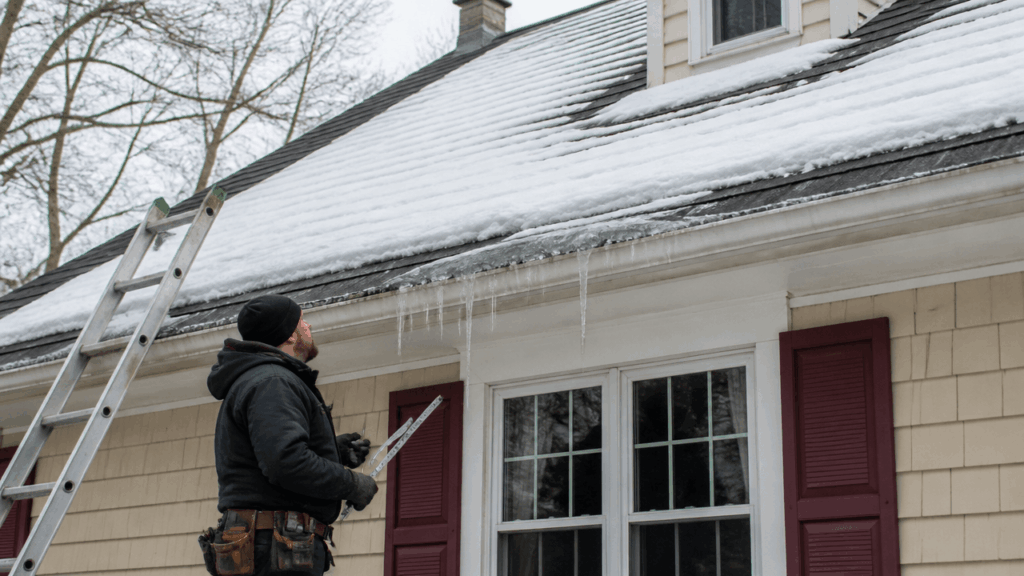
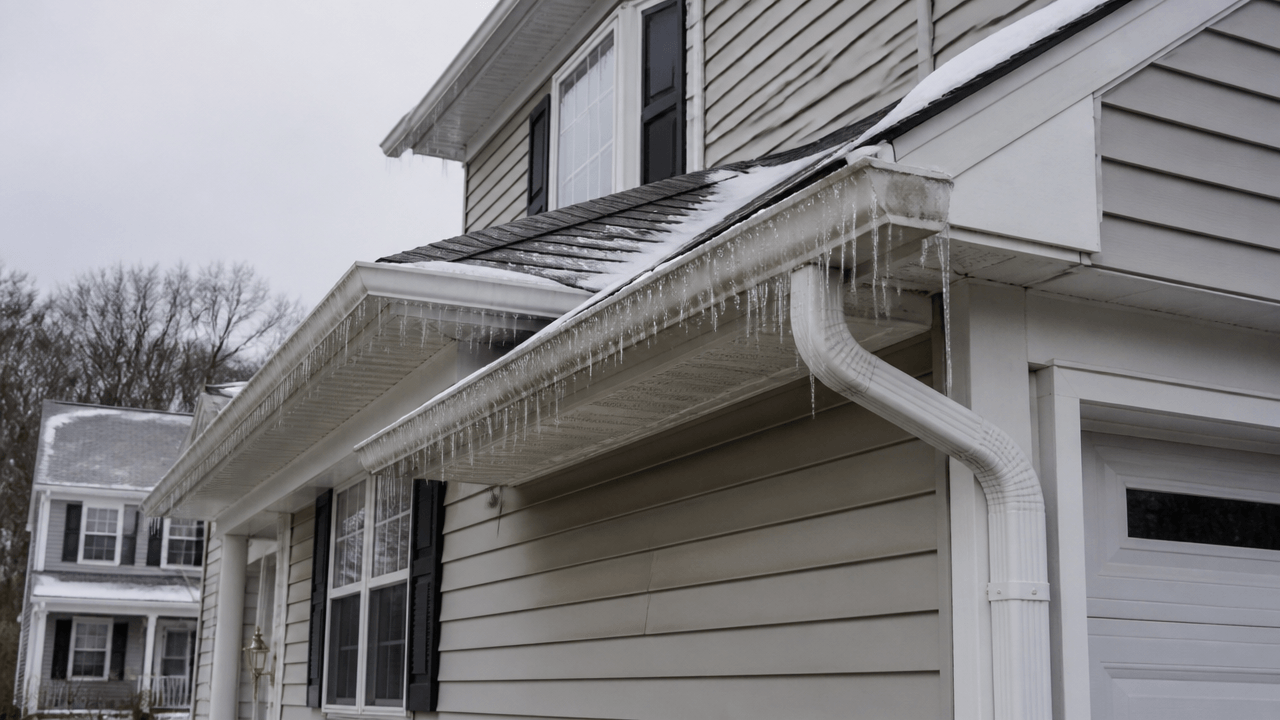
Ice dams usually form when warm air from inside the house reaches the roof deck and melts snow near the top. That water then runs down to colder eaves, where it freezes again and starts a ridge of ice. Over time, that ridge can trap more water and create a path for leaks under the roofing material.
Good roof care focuses on keeping the roof cold and the attic balanced. That means limiting heat loss, improving airflow, and watching for places where snow tends to pile up along the lower roof edges. When we approach roof protection the right way, we lower the chances of water intrusion and winter damage.
How to Prevent Ice Dams Step by Step
🧭 Step 1: Check the attic for heat loss
Start by looking for signs that warm air is leaking into the attic, such as uneven snow melt on the roof above. Heat loss is one of the main reasons ice dams form, so this first check gives you a clear place to begin.
🧰 Step 2: Inspect insulation depth and coverage
Make sure insulation is in place evenly and does not leave bare spots around the attic floor. Gaps let heat escape more easily, which warms the roof surface and raises the chance of ice buildup.
🌬️ Step 3: Confirm proper attic ventilation
Check that intake and exhaust vents are open and working as they should. Good airflow helps keep the attic temperature closer to the outdoor temperature, which supports ice dam prevention.
🪟 Step 4: Seal air leaks around common openings
Look around light fixtures, plumbing openings, and attic access points for places where warm air can move upward. Sealing those leaks helps keep heat inside the home and reduces roof warming from below.
🧹 Step 5: Clear roof edges before snow builds up
Keep lower roof areas as clear as safely possible when snow starts to collect. This reduces the amount of snow that can freeze at the edge and helps water drain more naturally.
🧤 Step 6: Watch for early warning signs after storms
Look for heavy icicles, uneven snow melt, or water stains near ceilings and walls. These signs can point to roof conditions that need attention before the problem grows.
🏠 Step 7: Keep gutters and downspouts open
Make sure water has a clear path away from the roofline. When gutters are blocked, melting snow can back up and freeze near the edge, making winter roof trouble worse.
📞 Step 8: Get the roof checked if problems keep returning
If ice forms in the same places every winter, the roof may have a deeper issue that needs a closer look. A professional inspection can help find the source of the problem and guide the right fix.
Common DIY Mistakes to Avoid
Many people try to handle winter roof issues on their own and miss the real cause of the problem. The biggest mistakes usually happen when someone treats the ice instead of the conditions that created it. Avoiding these errors can save time, reduce damage, and make your ice dam prevention efforts more effective.
- ⚠️ Mistake 1: Focusing only on the ice
This happens when someone removes visible ice but ignores heat loss and airflow problems that caused it. It often occurs because the ice is easy to see, while attic issues are easy to miss. Prevent it by checking insulation, ventilation, and air leaks first. - ⚠️ Mistake 2: Ignoring attic insulation gaps
This mistake means leaving thin or uneven insulation in place, which lets warm air reach the roof deck. It usually happens when people assume any insulation is enough. Prevent it by looking for bare spots and weak coverage across the attic floor. - ⚠️ Mistake 3: Blocking ventilation openings
This happens when vents are covered by insulation, debris, or storage items. People often do this by accident while trying to seal the attic tighter. Prevent it by keeping intake and exhaust vents clear so air can move through the attic properly. - ⚠️ Mistake 4: Letting gutters stay clogged
This mistake keeps melting snow from draining away from the roof edge. It often happens because gutter cleaning is put off until spring. Prevent it by making sure gutters and downspouts stay open before winter weather gets heavier. - ⚠️ Mistake 5: Waiting until leaks appear
This happens when homeowners assume no damage is happening just because they do not see water inside yet. It usually comes from not knowing how fast ice dams can cause trouble. Prevent it by checking for warning signs early and responding before stains or drips show up.
Frequently Asked Questions
What causes ice dams on a roof?
Yes, ice dams form when heat from inside the home warms the roof and melts snow that later refreezes near the edge. This creates a ridge of ice that can trap water behind it and push moisture under shingles. Poor insulation, air leaks, and weak ventilation often make the problem worse.
How do I know if I need ice dam prevention?
Yes, you may need ice dam prevention if you see icicles, uneven snow melt, or water stains near the ceiling in winter. These are common signs that heat is escaping into the attic and affecting the roof surface. Taking action early helps lower the chance of roof leaks and interior damage.
Can attic insulation really help prevent ice dams?
Yes, attic insulation can help prevent ice dams by reducing the amount of heat that escapes into the roof area. When the attic stays colder, snow on the roof is less likely to melt in the wrong places. This makes insulation one of the most important parts of winter roof protection.
Do clogged gutters make ice dams worse?
Yes, clogged gutters can make ice dams worse by stopping meltwater from draining away from the roof edge. When that water has nowhere to go, it can freeze again and add to the ice buildup. Keeping gutters clear supports better drainage during cold weather.
When should I inspect my roof for ice dam risk?
Yes, the best time to inspect your roof for ice dam risk is before winter weather gets deep into the season. Early checks give you time to fix insulation, ventilation, and drainage problems before repeated freeze and thaw cycles begin. That timing is key for stronger ice dam prevention.
Final Thoughts for Winter Roof Care
Ice dams are a winter roof problem that often starts small and becomes costly fast. The best results come from treating the roof, attic, and drainage system as one complete system. When those pieces work together, the home is far better protected through the cold season.
If you take the time to check for heat loss, improve airflow, and keep roof edges ready for winter, you can reduce a lot of common damage. We know how quickly weather in Hadley can change, so early action matters. For more updates from our team, follow us on social media.