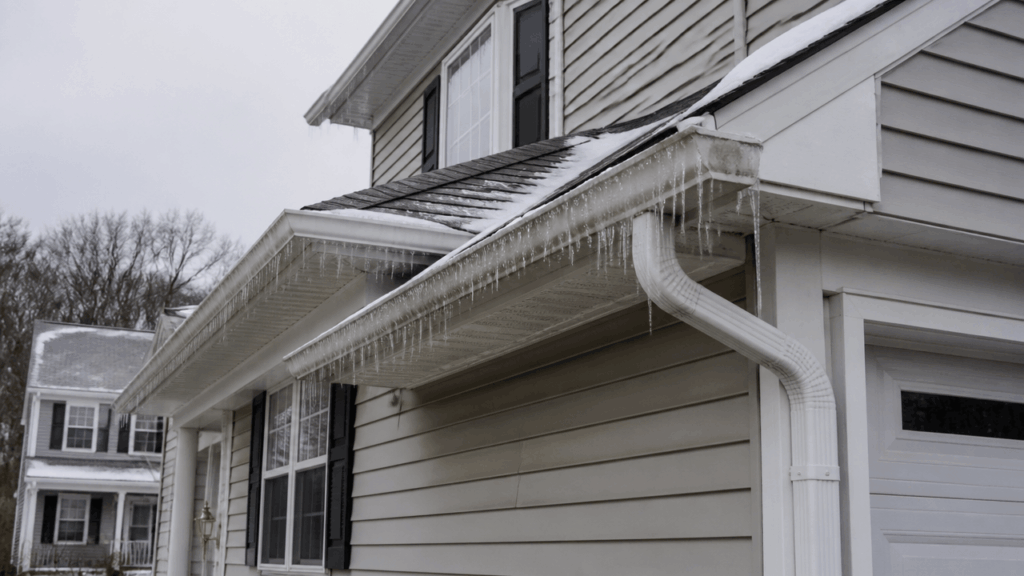
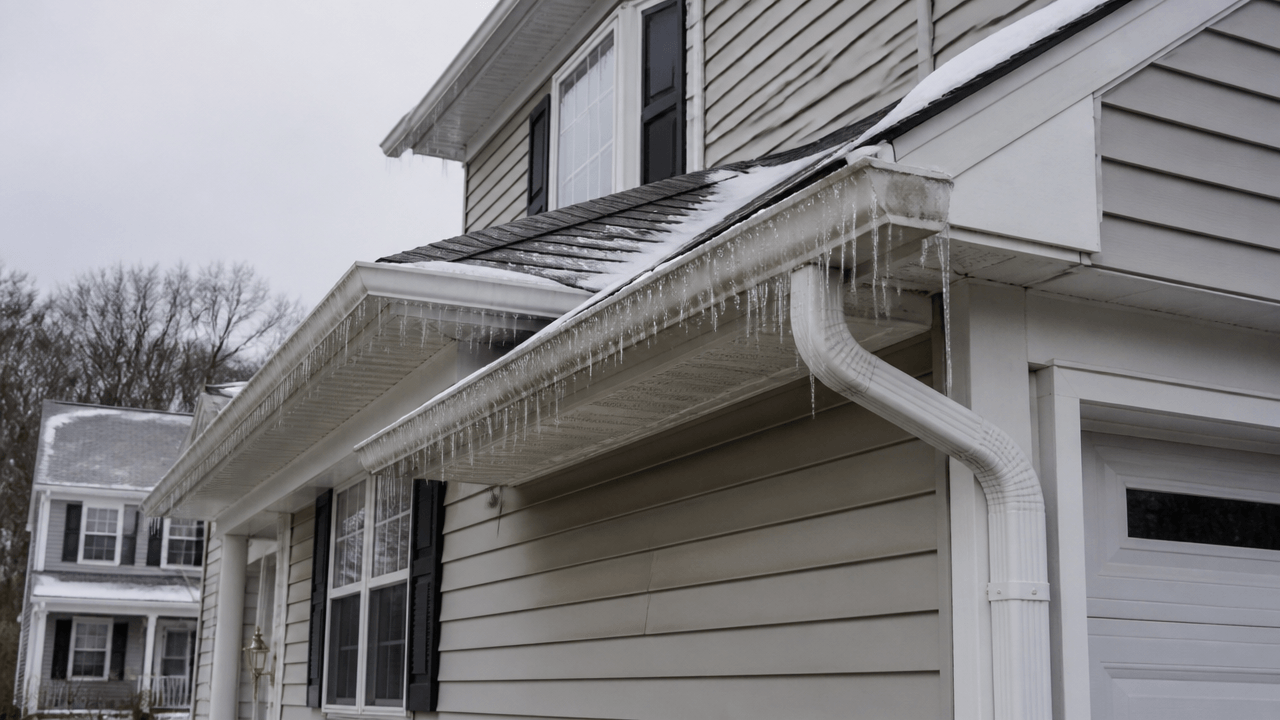
• Icicles on roof often point to a bigger issue, such as heat loss, clogged gutters, or poor drainage, and they can lead to leaks if ignored.
• Simple checks like looking for attic heat escape, water stains, and blocked gutters can help you spot the problem early and limit damage.
• Acting quickly in Bloomfield, CT can protect your roof through the colder months and help prevent small ice buildup from turning into costly repairs.
Why Icicles on Roof Need Quick Attention
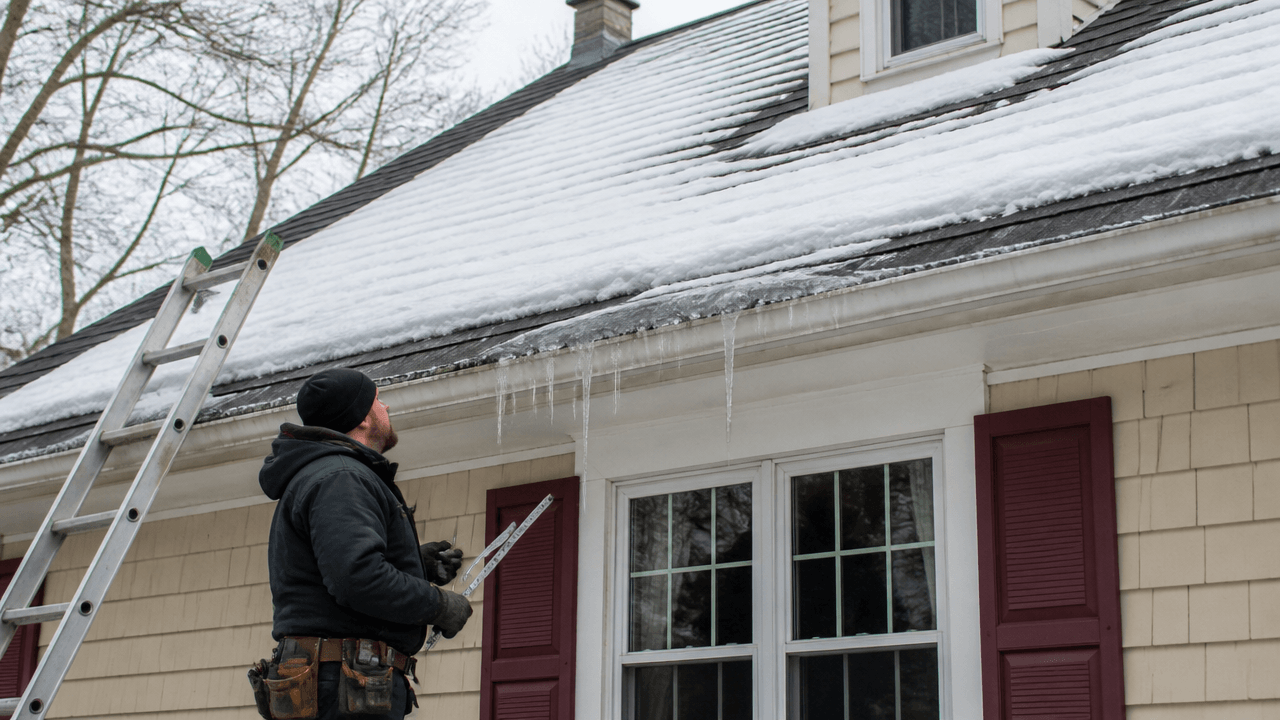
When we see icicles on roof, it can look harmless at first, but it often points to a problem that should not be ignored. In Bloomfield, CT, cold November weather can set the stage for melting and refreezing that puts added stress on shingles, gutters, and edges. If that cycle keeps going, the damage can grow fast and turn into a bigger repair later. That is why we recommend acting early and checking the roof before the issue spreads.
Icicles usually form when heat from the attic warms the roof deck and melts snow near the top. As that water runs down and freezes again at the edge, it can create ice buildup that blocks proper drainage. For homeowners and business owners, this can mean leaks, water stains, and more strain on the roofing system. Our service area page can help you see how we support properties across the region.
The longer the buildup stays in place, the more pressure it can put on the roof and gutters. Small warning signs often lead to bigger problems, especially when cold nights and warmer daytime temperatures keep repeating the same cycle. We want property owners to understand that this is not just a winter sight, but a sign that the roof may need attention. A fast response can help protect both the structure and the inside of the building.
How We Handle Icicles and Roof Ice
We start by looking for the source of the problem, not just the icicles themselves. That means checking for heat loss, attic issues, clogged gutters, and signs of ice buildup along the roof edge. When we understand what is causing the freeze and thaw pattern, we can take the right next step instead of treating only the surface problem.
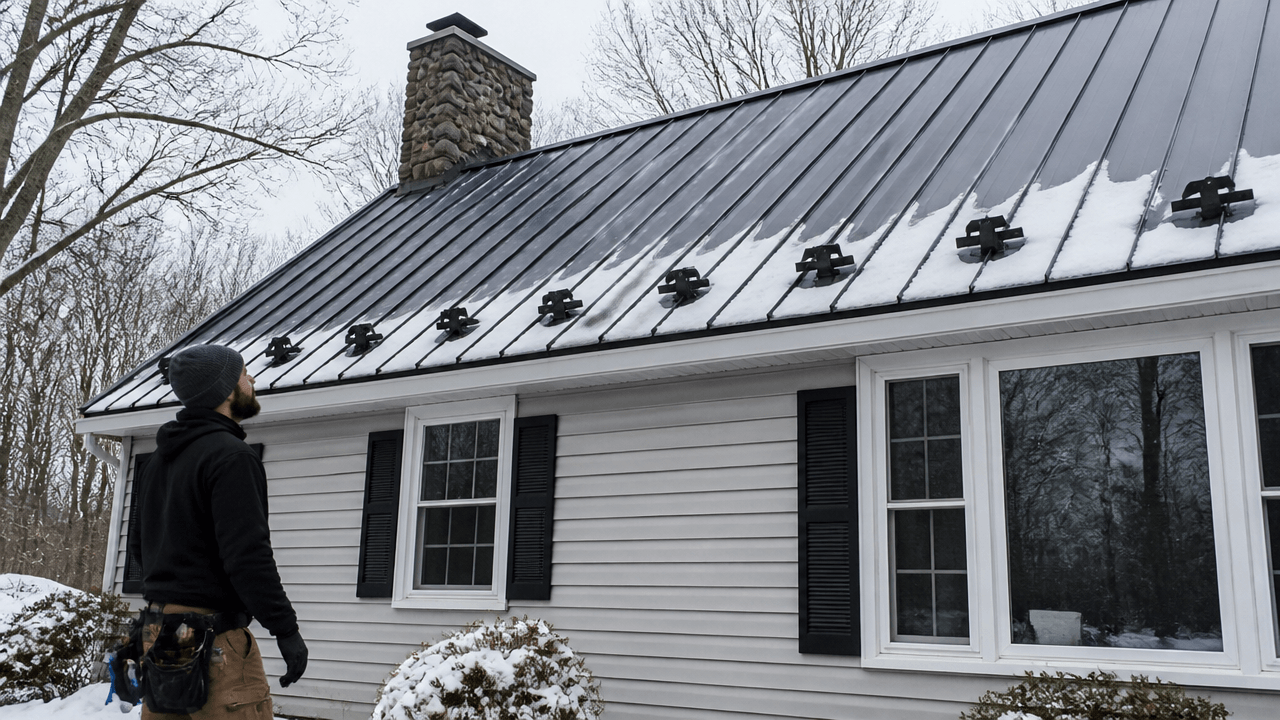
We also look at how water is moving off the roof and whether anything is blocking that path. If gutters are full of debris or drainage is slowed down, ice can collect more easily and stay longer than it should. For many homes and businesses, the goal is to reduce stress on the roof and help water leave the system the way it was meant to.
Step-by-Step Guide to Handle Roof Icicles
🧭 Step 1: Check the Roof Edge
Look at where the icicles are forming and how heavy the buildup is along the eaves. This helps show whether the problem is light frost or a more serious ice issue that needs attention.
🏠 Step 2: Look for Indoor Heat Loss
Check the attic or upper spaces for warm air escaping into the roof area. Heat leaking upward can melt snow on the roof and lead to refreezing at the edge.
🧹 Step 3: Clear Visible Gutter Blockage
Remove leaves, twigs, and other debris from gutters if they are packed full. Blocked gutters can trap water and make ice form faster near the roofline.
🌡️ Step 4: Watch for Freeze and Thaw Changes
Pay attention to days when temperatures rise and fall around freezing. This weather pattern is a common reason icicles on roof keep coming back in late fall and winter.
🔎 Step 5: Check for Water Stains or Leaks
Inspect ceilings, walls, and attic wood for stains, damp spots, or dripping water. These signs can show that ice has already started affecting the roof system.
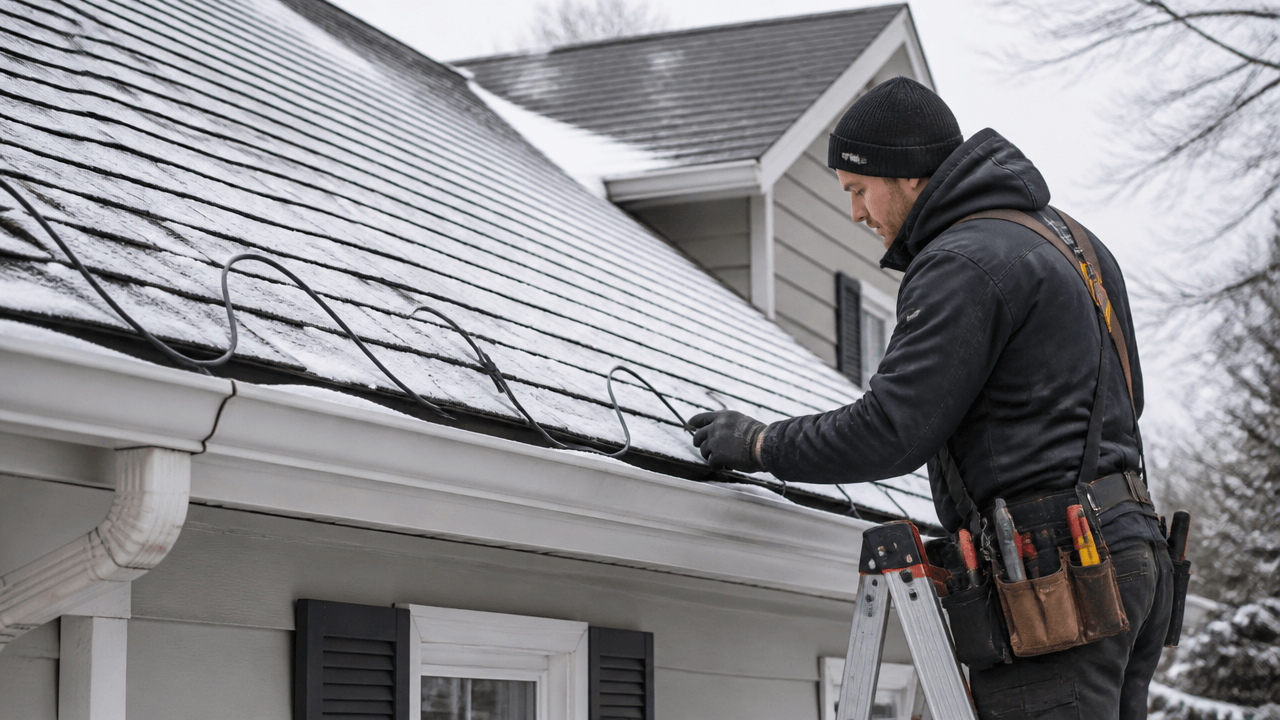
🛠️ Step 6: Reduce the Conditions That Cause Ice
Focus on improving airflow in the attic and keeping drainage paths open. When warm air stays trapped below the roof deck, the chance of ice buildup goes up.
📞 Step 7: Call for a Roof Inspection
If the buildup is heavy or keeps returning, have the roof looked at by a trained team. A proper inspection can find damage early and help prevent a bigger winter issue.
Common DIY Mistakes to Avoid
Many people try to fix roof ice problems too quickly and end up making the situation worse. The biggest mistakes usually happen when the buildup looks simple from the ground, but the cause is deeper in the roofing system. Careful steps matter because rushing can lead to damage, injury, or a problem that comes back again.
- ⚠️ Mistake 1: Breaking Icicles Off by Force
This happens when people try to knock down the ice without checking the roof edge first. It can damage shingles, gutters, or flashing, so the safer move is to assess the area before touching it. - ⚠️ Mistake 2: Ignoring the Cause of the Ice
This mistake comes from focusing only on what is visible outside. If heat loss or drainage problems are not addressed, icicles on roof will likely return, so the real issue has to be fixed too. - ⚠️ Mistake 3: Letting Gutters Stay Clogged
Debris in the gutters can trap water and speed up ice buildup. This often happens when cleanup gets delayed, and the best prevention is to keep the drainage path open before the weather turns harsh. - ⚠️ Mistake 4: Missing Early Leak Signs
People often overlook small stains or damp spots inside because the roof still looks fine from outside. That delay can allow moisture to spread, so regular checks inside and out are important. - ⚠️ Mistake 5: Waiting Until Damage Spreads
This happens when the buildup is treated as a minor winter issue. Ice can stress roofing materials quickly, so the better approach is to respond as soon as the warning signs appear.
Frequently Asked Questions
What causes icicles on roof edges?
Yes, icicles on roof edges usually form when snow melts higher on the roof and then refreezes at the colder edge. Warm air escaping from the attic and blocked drainage often play a big role in that cycle. When those conditions keep happening, the buildup can become more severe.
Are icicles on roof a sign of damage?
Yes, icicles on roof can be a sign that something is not working the way it should. They may point to heat loss, poor ventilation, or drainage problems that can lead to leaks and other roof issues. The icicles themselves are often just the visible warning.
Should I remove icicles from my roof myself?
No, it is usually not a good idea to remove them by force yourself. The ice can be heavy, sharp, and attached to areas that can be damaged easily. A safer first step is to check for the cause and have the roof inspected if the buildup is serious.
How do I stop icicles from forming on my roof?
Yes, you can reduce icicles on roof surfaces by addressing the conditions that create them. That includes improving attic airflow, limiting heat loss, and keeping gutters clear so water can drain properly. These steps help reduce the freeze and thaw cycle that forms the ice.
When should I call a roofer about roof ice?
Yes, you should call a roofer when the ice keeps coming back, looks heavy, or starts causing stains or leaks. A roofing professional can look at the roof system, find the source, and recommend the right fix. Acting early can help prevent more expensive damage later.
Final Thoughts on Roof Ice
Icicles may look small, but they can point to bigger roofing trouble if they keep forming in the same place. By watching for the warning signs, checking drainage, and paying attention to indoor heat loss, property owners can protect their roof during cold weather. Taking action early is the best way to avoid a bigger repair later.
If you are seeing repeated roof ice issues this season, our team is here to help with careful, practical service that fits the needs of your property. We are proud to support homeowners and businesses in Bloomfield and the surrounding area with trusted roofing care. For more updates and project highlights, follow us on Instagram.