• Flat roofs can be a smart choice for Danbury businesses because they help with drainage planning, easier inspections, and practical long-term property care.
• Spring weather puts extra stress on commercial roofs, so learning the benefits of commercial flat roof installation can help owners avoid bigger repair problems later.
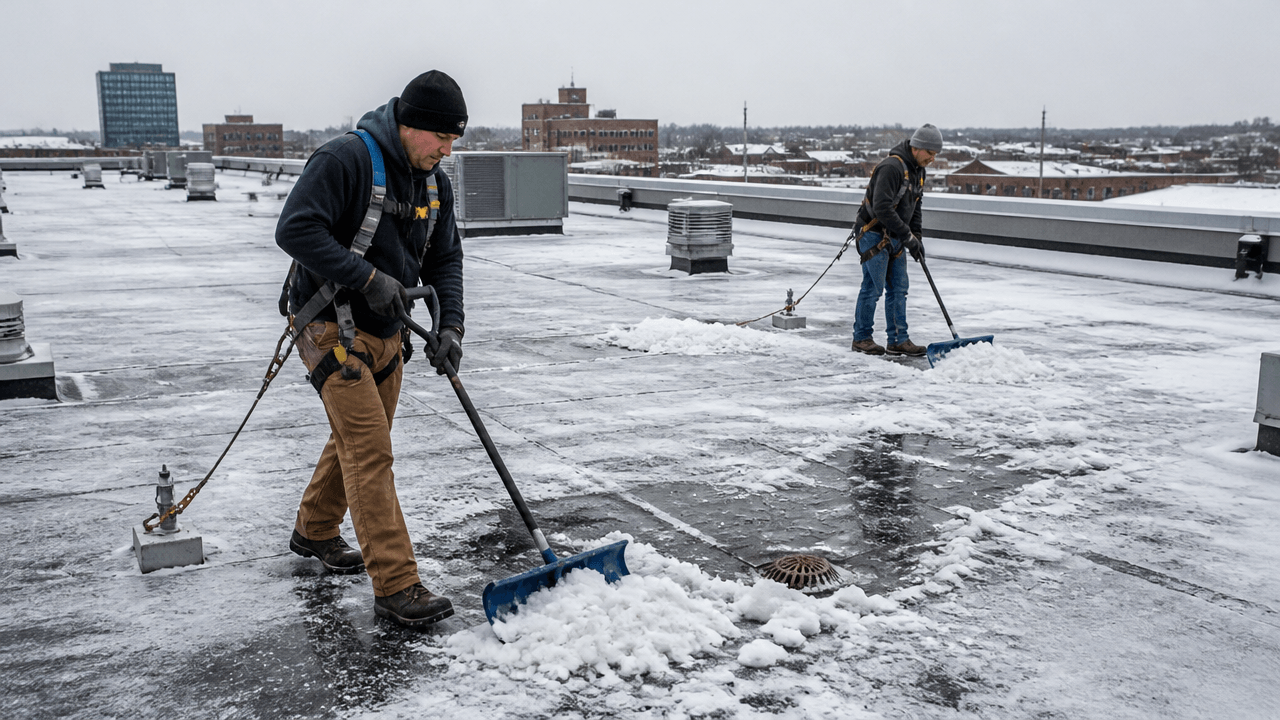
• Regular upkeep matters just as much as installation, and simple steps like checking seams, clearing debris, and watching for wear can help extend roof life.
Why Commercial Flat Roofs Matter in Spring
Spring in Danbury can bring wet weather, cool nights, and quick shifts in temperature. Those changes put extra stress on a roof that already handles standing water, heavy use, and daily wear. For local property owners, the benefits of commercial flat roof installation become easier to see when repairs keep piling up.
A flat roof can help a building handle spring conditions with less stress on the structure. It also gives business owners a practical way to protect inventory, equipment, and daily operations from weather-related issues. When a roof starts showing weak spots, waiting too long can turn a small problem into a bigger one.
We often see that roof problems grow fastest when property owners try to push them off until later. That is why it helps to know what a smart roofing choice can do before the next rain hits. If you want a closer look at how we help local businesses, you can visit our commercial roofing page for more information.
How Flat Roofs Add Value Over Time
One of the biggest reasons business owners choose a flat roof is the value it can bring over time. A well-built system can support easier upkeep, better space use, and stronger protection during changing weather. In a place like Danbury, that matters when spring rain and temperature swings can wear down older roofing fast.
Flat roofs also make regular inspections easier, which helps spot problems before they spread. That can save money by lowering the chance of major damage and keeping the building ready for day-to-day use. The benefits of commercial flat roof installation are not just about the roof itself, but about keeping the whole property working the way it should.
Tips from the Pros
🔍 Tip 1: Check drainage before problems start
Flat roofs depend on proper drainage to keep water from sitting too long. Standing water can weaken roofing materials and raise the risk of leaks over time.
🛠️ Tip 2: Choose materials that fit your building
Different roofing materials handle weather, foot traffic, and maintenance needs in different ways. We look at the building’s use first so the roof supports daily operations for years to come.
🌦️ Tip 3: Plan for spring rain in Danbury
Spring weather can bring repeated wet days, so the roof needs to handle moisture well. A strong flat roof system helps reduce the chance of water-related damage during this season.
📋 Tip 4: Schedule regular roof inspections
Small issues are easier to fix when they are caught early. Routine inspections help spot loose flashing, wear around seams, and other trouble before they grow.
🏗️ Tip 5: Think about long-term cost, not just upfront price
A cheaper roof today can lead to bigger repair bills later if it wears out too fast. We focus on roofing choices that make sense for the building’s needs over the long run.
🧹 Tip 6: Keep the roof clear of debris
Leaves, dirt, and small branches can block drainage and trap moisture. A clean roof is less likely to hold water or develop weak areas after bad weather.
⚠️ Tip 7: Watch for signs of aging
Cracks, bubbling, and worn seams can signal that a flat roof is nearing the end of its useful life. Catching those signs early gives property owners more control over repairs or replacement planning.
🏢 Tip 8: Match the roof to your building use
A warehouse, office, or retail space may need different roofing support based on traffic and structure. The right setup helps the roof do its job while supporting the way the property is used every day.
Step-by-Step Guide to Commercial Flat Roof Installation
📋 Step 1: Review the Building Needs
Start by looking at the size, shape, and purpose of the building. This helps determine whether a flat roof is the right fit and what kind of system is needed for long-term performance.
🔍 Step 2: Check the Existing Roof Condition
Inspect the current roof for leaks, soft spots, pooling water, or surface damage. Knowing the starting point helps guide the installation plan and reduces surprises once the old material is removed.
🧱 Step 3: Choose the Right Roofing Material
Select a material that matches the building’s needs, climate exposure, and maintenance goals. The right choice can affect durability, drainage, and how well the roof handles seasonal weather.
📐 Step 4: Plan for Proper Drainage
Make sure the roof design supports water movement away from the surface. Flat roofs still need slope and drainage planning so water does not sit and cause damage over time.
🛠️ Step 5: Prepare the Roof Surface
Clean and ready the base so the new system can go on correctly. A solid surface helps the roofing layers bond properly and lowers the risk of early failure.
🔧 Step 6: Install the Flat Roof System
Place the roofing layers according to the system being used. Careful installation matters because seams, edges, and flashing areas must be sealed correctly to protect the building.
✅ Step 7: Inspect the Finished Roof
Check the completed roof for weak spots, open seams, and drainage concerns. A final inspection helps confirm that the roof is ready to handle weather and regular use.
🧼 Step 8: Set a Maintenance Plan
Create a schedule for routine checks and basic upkeep. Regular care helps extend the life of the roof and makes it easier to catch small issues early.
Common Mistakes to Avoid During Installation
Many DIY roofing projects go wrong because the early steps are rushed or skipped. Flat roof work may look simple from the ground, but small errors can lead to leaks, drainage problems, and wasted materials. Knowing what to avoid can help you see why professional planning matters.
These mistakes usually happen when someone tries to save time or overlooks how a flat roof really works. The good news is that each one can be avoided with careful prep, the right materials, and proper installation habits. Paying attention to these details helps protect both the roof and the building below it.
- ⚠️ Mistake 1: Skipping the Roof Inspection
Many people jump straight into installation without checking the old roof first. This happens because they want to save time, but hidden damage can ruin the new system if it is not addressed first. To prevent this, inspect the roof carefully before any work begins and look for leaks, damage, or weak areas. - ⚠️ Mistake 2: Choosing the Wrong Material
Some DIY installers pick materials based on price alone instead of building needs. This usually happens when the full demands of the roof are not considered, including drainage and weather exposure. To prevent this, match the roofing material to the structure and the conditions it will face in Danbury. - ⚠️ Mistake 3: Ignoring Drainage Planning
A flat roof still needs a clear path for water to move away. This mistake often comes from assuming the roof can handle standing water on its own, which can lead to pooling and long-term damage. To prevent it, plan drainage before installation and make sure water has a proper route off the surface. - ⚠️ Mistake 4: Rushing the Surface Prep
If the roof surface is not cleaned and prepared well, the new system may not sit correctly. People often skip this step because they want to get to the install faster, but poor prep can weaken the whole job. To prevent this, take time to clear debris, fix problem areas, and make sure the base is ready. - ⚠️ Mistake 5: Forgetting Final Inspection
Some installers assume the job is done once the material is in place. This happens when they are focused on finishing quickly, but small issues with seams or flashing can be easy to miss. To prevent this, inspect the finished roof carefully and check all areas before considering the project complete.
Frequently Asked Questions
What are the main benefits of commercial flat roof installation?
The main benefits of commercial flat roof installation are easier maintenance, useful roof space, and strong protection against weather. It can also make it simpler to inspect the roof and catch problems early.
Is a flat roof a good choice for businesses in Danbury, CT?
Yes, a flat roof can be a smart choice for many businesses in Danbury, CT. It handles commercial needs well and can perform reliably when it is built with the local weather in mind.
How long does a commercial flat roof usually last?
A commercial flat roof can last many years when it is installed well and cared for properly. Its lifespan depends on the materials used, the weather, and how often it is inspected.
What maintenance does a flat roof need?
A flat roof needs regular checks, drainage cleaning, and quick attention to small damage. This helps keep leaks from forming and protects the roof from avoidable wear.
How do I know when it is time to replace a flat roof?
It is time to replace a flat roof when you see repeated leaks, worn seams, or signs that repairs are no longer holding up. A roofing professional can help decide whether repair or replacement makes the most sense.
Final Thoughts on Flat Roof Value
The right roofing choice can make a big difference for a commercial property in spring. When we look at durability, maintenance, and weather protection together, the benefits of commercial flat roof installation stand out clearly. A solid roof helps keep a business running smoothly while reducing stress from seasonal weather.
If you are planning ahead for your property in Danbury, now is a smart time to think about what your roof needs next. We are here to help local business owners make confident choices that support their buildings for the long haul. For more updates from our team, follow us on social media.