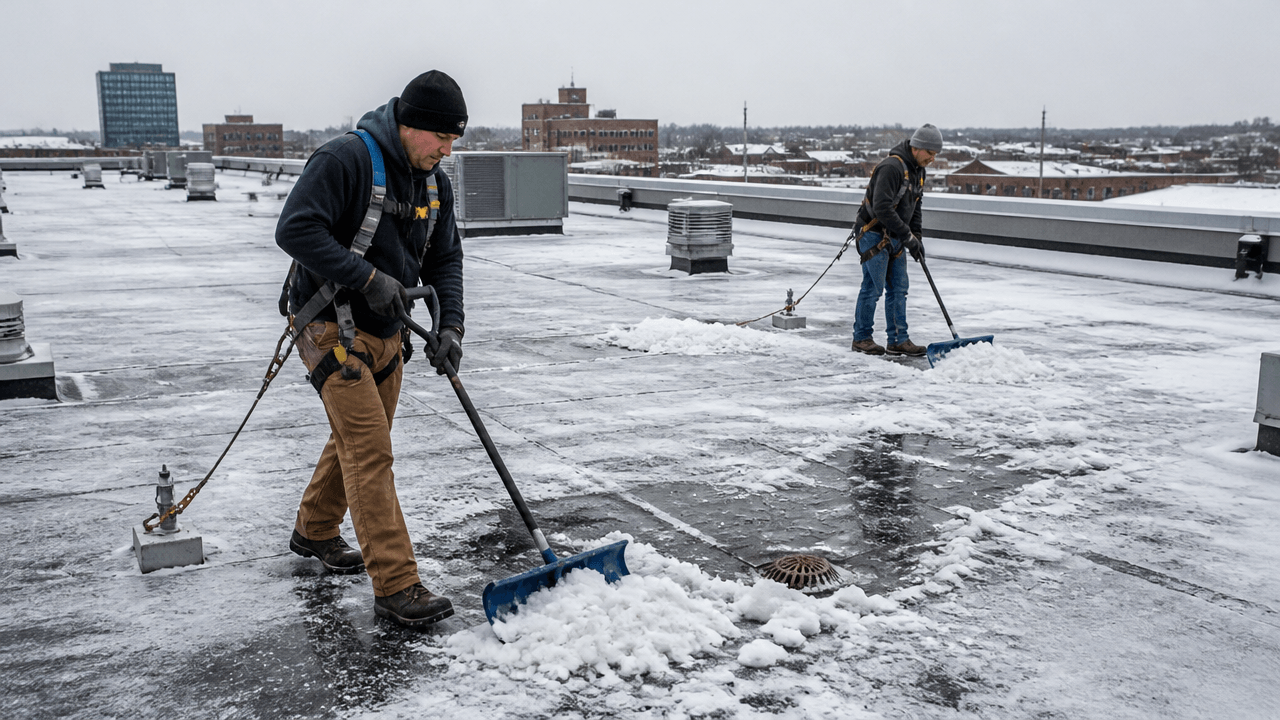
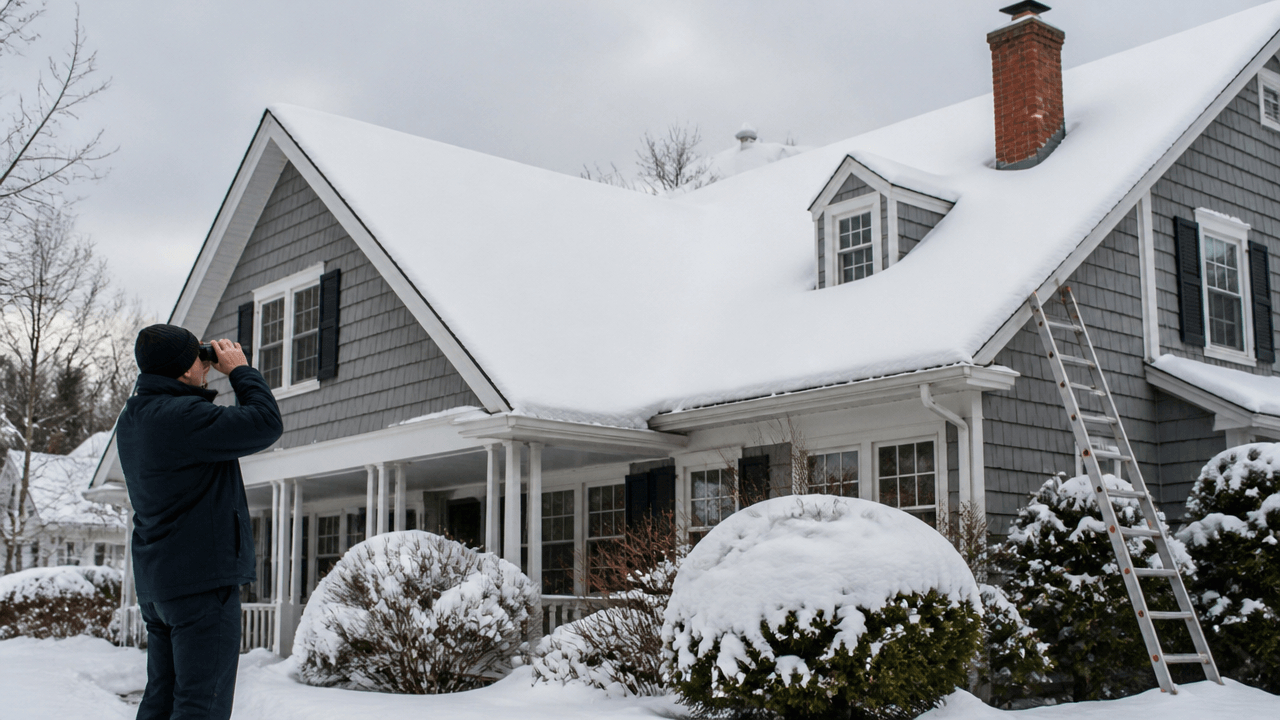
• Fast storm damage response can help keep water out of your home and reduce the chance of bigger roof problems. A quick tarp is a short-term fix that gives you time to plan lasting repairs.
• A simple checklist can help you inspect damage, stay safe, and cover the roof the right way after a storm. Each step is meant to protect your home from more leaks and avoid common mistakes.
• Professional help matters when the roof is damaged, unstable, or hard to reach. In Holyoke, MA, fast action after a storm can make a real difference in how much damage your home ends up facing.
Set the Roof Back in a Safe, Dry State
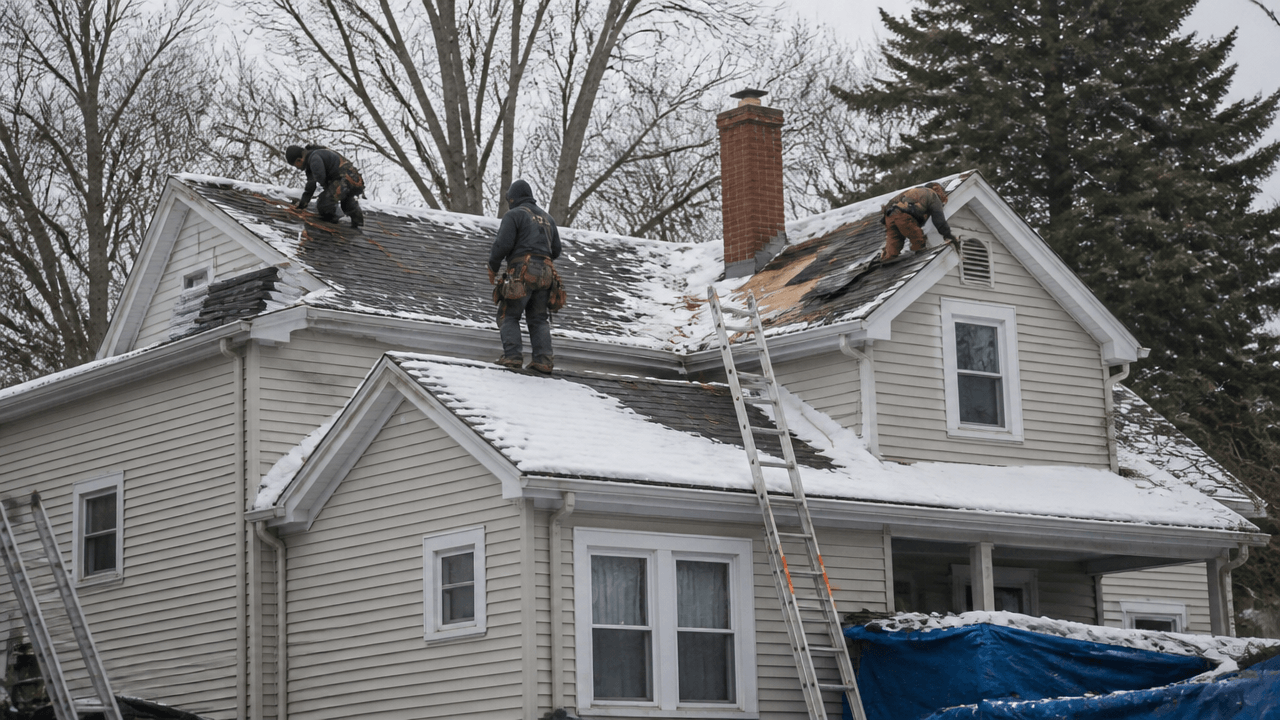
After a storm, the main goal of emergency roof tarping after storms is to stop more water from getting inside. A fast tarp can help protect your home, your belongings, and the roof deck until repairs can begin.
This step matters most when rain, wind, or fallen debris leaves part of the roof open. Quick action can also help limit extra damage to insulation, ceilings, and walls.
Homeowners in Holyoke, MA should act fast once they notice a leak or missing shingles. For help with emergency roof tarping, getting the roof covered early can make a big difference.

Emergency Roof Tarping Checklist
Use this checklist to take quick action after storm damage and help limit more water from entering your home. emergency roof tarping after storms works best when the roof is covered fast and checked with care.
- ✅ Look for missing shingles, punctures, or lifted roof edges
- ✅ Check ceilings and attic spaces for new water spots
- ✅ Keep everyone away from damaged roof areas
- ✅ Use a tarp that reaches past the damaged section
- ✅ Secure the tarp so wind cannot pull it loose
- ✅ Watch for hidden leaks after the first rain
- ✅ Call a roofing pro for a full damage review
- ✅ Plan for permanent repairs as soon as possible
A careful response can keep a small roof problem from turning into a bigger one. The goal is to protect the home quickly and create time for a proper repair plan.
In Holyoke, MA, storm damage can happen fast, so a clear checklist helps you act with less stress. If you follow these steps in order, you can reduce the chance of extra leaks and further roof damage.
Additional Advice
After a storm, it helps to stay calm and focus on the most urgent damage first. If water is coming in, emergency roof tarping after storms should be treated as a short-term fix, not the final answer.
A tarp works best when it is placed over the damaged area and secured the right way. Poor placement can let wind lift the material, which can lead to more water getting inside the home.
Many homeowners also forget to check the attic, gutters, and nearby siding after roof damage. Looking at the full picture can help you catch related issues early and make the repair process smoother.
For local help, it is smart to work with a roofing team that understands storm damage in your area and can respond quickly. You can learn more about roofing help from JJ Landerman when you need reliable support after bad weather.
Frequently Asked Questions
What is emergency roof tarping after storms?
It is a temporary way to cover a damaged roof and keep water out after storm damage. emergency roof tarping after storms helps protect the home until permanent repairs can be made.
How fast should a roof be tarped after a storm?
It should be done as soon as it is safe to do so. The faster the roof is covered, the less chance there is for rain to cause more interior damage.
Can I tarp a roof myself?
Yes, but only if the area is safe and you can do it without risk. A damaged roof can be slippery or unstable, so many homeowners choose to call a roofing professional instead.
How long can a roof tarp stay in place?
A tarp is only a temporary fix and should not be left up for too long. Weather, wind, and sun can wear it down, so a permanent repair should be planned quickly.
Does emergency roof tarping stop all leaks?
No, it may not stop every leak, but it can greatly reduce water entry. A proper tarp can buy time and help protect the home until full repairs are completed.
Final Thoughts on Fast Roof Protection
Storm damage can create a stressful situation, but a quick response can make the damage easier to manage. emergency roof tarping after storms is one of the best first steps when the roof is exposed and needs short-term protection.
By acting fast, checking for damage, and planning for repairs, homeowners can protect their property and avoid bigger problems later. For more updates and project examples, feel free to follow us on social media.