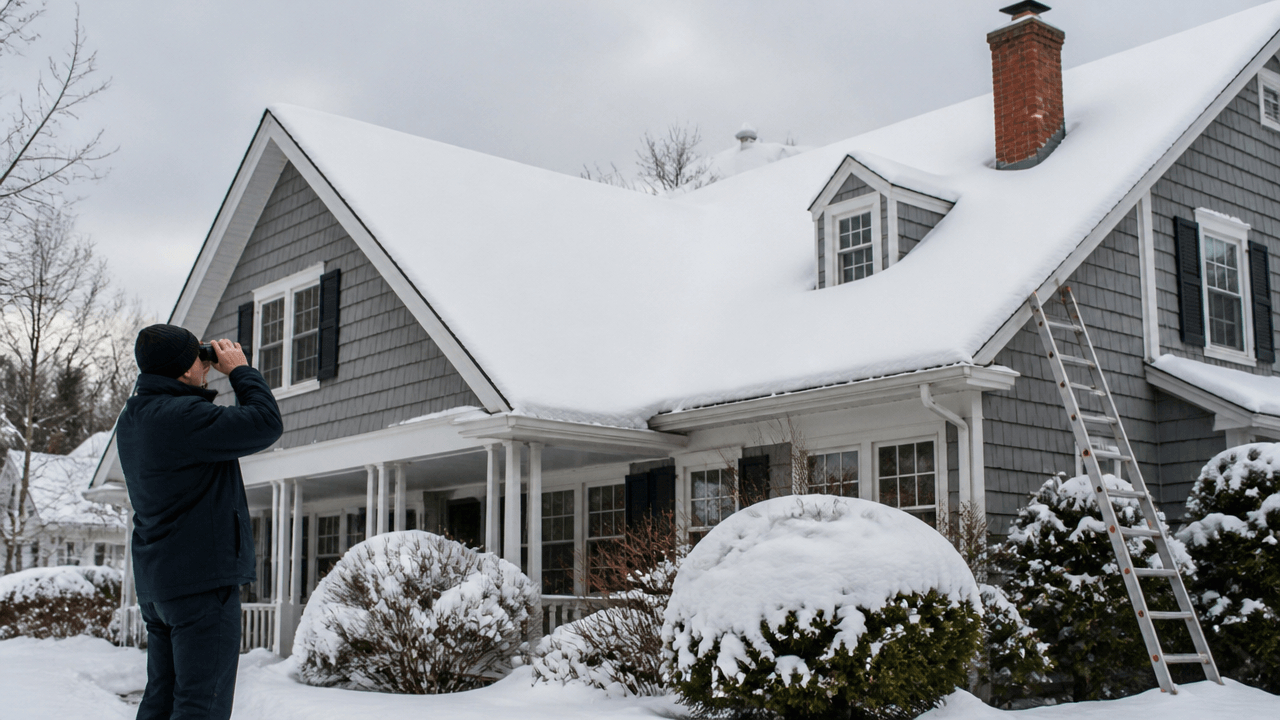
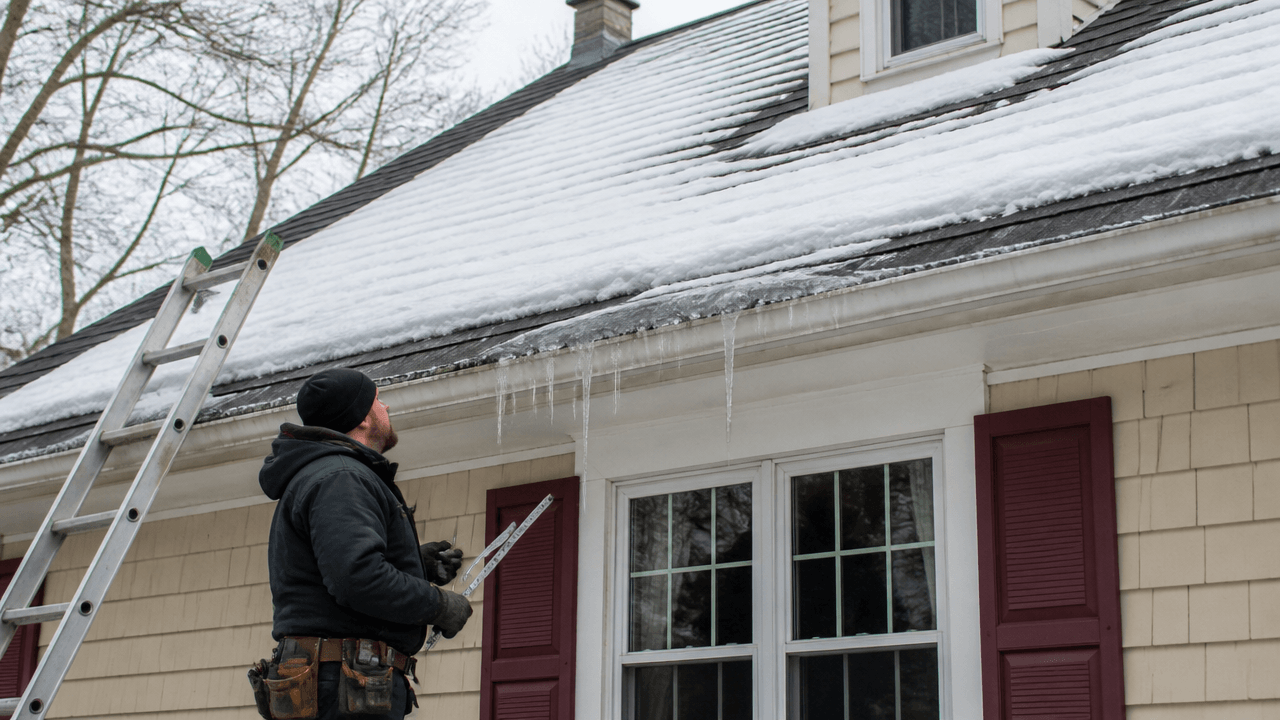
• Emergency roof tarping helps protect your home or business fast after damage, especially when summer storms or sudden leaks hit Hadley, MA.
• The tarp needs to be placed, sized, and secured the right way so it can slow water intrusion and reduce more roof damage until repairs are made.
• Knowing the warning signs, acting quickly, and calling for help early can make a big difference in keeping the damage from getting worse.
Why Fast Roof Tarping Matters in July
When a roof is damaged in summer, the heat and sudden storms in Hadley can make a bad situation move fast. A small opening can let in water, weaken materials, and lead to more damage before the day is over. That is why having the emergency roof tarping process explained matters when time is not on your side.
The right steps can help protect your home or business until permanent repairs are made. A strong tarp can slow water intrusion and help keep the inside of the building safer during active weather. For local help, our emergency roof tarping service is built for fast response when roofs need immediate attention.
In July, roofs in Hadley are often dealing with summer storms, strong sun, and heavy moisture. That mix can make exposed spots wear down quickly, especially if the damage is left open overnight. Acting early gives us a better chance to limit the damage and protect what matters inside.
How We Handle Roof Tarps the Right Way
We start by checking the damaged area and looking for the safest way to cover it. The tarp has to be large enough to reach past the damaged section so water does not sneak underneath. It also needs to be secured well enough to hold up against wind, rain, and the rough weather that can come through the Valley.
Good tarping is not just about covering a hole with plastic. It is about placing the material in a way that helps shed water and keeps the roof as sealed as possible until repairs can happen. When done correctly, it can give property owners peace of mind while they plan the next step.
Tips from the Pros
🕒 Tip 1: Act as soon as you spot damage
The longer a damaged roof stays open, the more likely water is to spread into the structure. Even a small leak can turn into staining, wet insulation, and soft spots in a short time.
🔍 Tip 2: Check for more than visible holes
Roof damage is not always easy to see from the ground. Look for missing shingles, lifted flashing, or areas where water may be entering around roof edges.
🌧️ Tip 3: Watch the weather before anything else
If rain is coming soon, the roof needs protection right away. Summer storms in Hadley can move in fast, so timing matters when planning emergency tarping.
🪜 Tip 4: Use safe access, not guesswork
Climbing onto a damaged roof can be risky, especially when surfaces are wet or uneven. Safety should always come first because one slip can create a second emergency.
📏 Tip 5: Make sure the tarp overlaps the damage
A tarp must extend well beyond the broken area to work as intended. If it is too small, wind and rain can get under it and undo the protection.
🧰 Tip 6: Secure the tarp tightly
Loose edges can flap in the wind and let water work its way inside. Strong fastening helps the tarp stay in place until permanent roof work is completed.
🏠 Tip 7: Protect the inside of the building too
Move items away from active leaks and place containers where dripping is happening. That simple step can help reduce loss while the outside damage is being handled.
📞 Tip 8: Call for help before the damage grows
Emergency roof problems often get worse after one rainstorm or one hot day. Fast action can make the difference between a controlled repair and a much larger issue.
Frequently Asked Questions
What is the purpose of emergency roof tarping?
Emergency roof tarping helps cover damaged roof areas and slow further water intrusion. It is used as a temporary protection step until permanent repairs can be completed.
How long can a roof tarp stay in place?
A roof tarp is only a temporary fix and should not be left in place longer than needed. Weather, sun exposure, and wind can wear it down over time, so repairs should follow as soon as possible.
Can emergency roof tarping help after storm damage?
Yes, emergency roof tarping process explained in simple terms shows that tarping is one of the fastest ways to protect a roof after storm damage. It can help reduce water entry while the next repair plan is arranged.
What signs mean I need roof tarping now?
Yes, missing shingles, exposed underlayment, active leaks, or visible holes are clear signs that roof tarping may be needed. If water can enter the roof system, temporary protection should be handled quickly.
Is roof tarping useful during summer weather in Hadley?
Yes, summer weather in Hadley can bring strong storms and sudden rain that make roof damage worse. A tarp can help protect the property while the roof is waiting on permanent repair.
Protect Your Roof Before the Next Storm
When roof damage happens, quick action can help limit stress, water intrusion, and extra repair costs. The emergency roof tarping process explained gives property owners a clear picture of why fast protection matters, especially during summer weather in Hadley. Our goal is to help you keep your home or building safer until repairs are ready.
If you are dealing with roof damage now, do not wait for the next storm to make it worse. We are here to help local property owners stay prepared and informed when roof problems happen fast. For more updates from our team, follow us on social media.