• EPDM and PVC both work well on flat roofs, but each one fits different building needs, weather exposure, and maintenance goals.
• In Springfield, MA, fall weather can expose weak seams, drainage issues, and roof damage fast, so the right material choice matters now.
• The best choice depends on roof use, seam strength, drainage, and long-term care, which is why comparing EPDM vs PVC roofing for flat roofs is so important.
Why Flat Roof Material Choice Matters in Fall
When a flat roof starts to age, small problems can turn into costly repairs fast. In Springfield, MA, fall weather can bring cool nights, wet days, and steady leaf buildup that puts extra stress on roofing systems. That is why choosing between EPDM vs PVC roofing for flat roofs matters before winter gets closer.
Both materials can work well, but they handle weather and roof use in different ways. A roof that fits one building may not be the best match for another, especially when drainage, sun exposure, and foot traffic all play a part. We help property owners look at the real-world details before making a decision.
If you wait too long, moisture can settle into weak seams, flashing, or worn spots and create bigger issues. That is especially true in the fall, when weather shifts can hide roof damage until it spreads. For more help with flat roof options, start by reviewing our roofing materials page.
What EPDM and PVC Mean for Your Roof
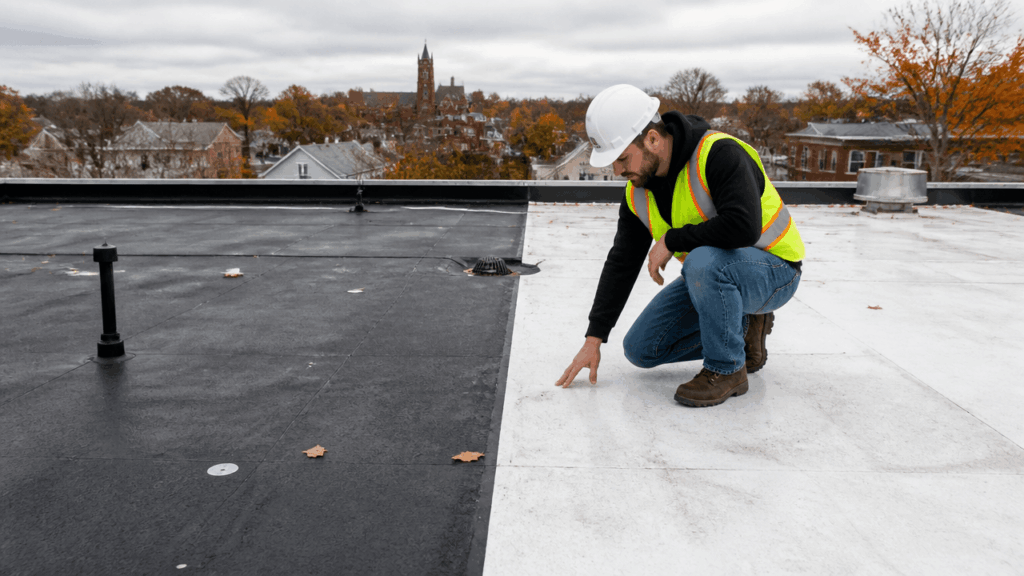
EPDM is a rubber roofing membrane known for its flexibility and long service life. It often performs well in changing temperatures because it can move with the roof more easily. PVC is a plastic-based membrane that is often chosen for its strong seams and resistance to many common chemicals.
When we compare EPDM vs PVC roofing for flat roofs, we look at more than the material name. We consider the building’s shape, how water drains, and whether the roof will face heat, grease, or regular maintenance traffic. We also think about how the roof will perform through a Springfield fall, when wet leaves and cooler nights can test weak spots.
Some roof owners want a system that is simple and forgiving, while others want a membrane that works well in more demanding conditions. That is why the best choice depends on the property, not just the product label. The right call can help reduce stress now and make the roof easier to manage as seasons change.
Tips from the Pros
🔎 Tip 1: Check how water moves on the roof
Standing water is one of the biggest problems for flat roofs, so drainage should be part of every decision. If water lingers after rain, we look closely at seams, slopes, and low spots before choosing a membrane.
🌡️ Tip 2: Think about fall temperature swings
Fall weather in Springfield can move from mild afternoons to chilly nights, and roofing materials react differently to that change. EPDM is known for flexibility, while PVC offers a firmer surface that can hold up well when installed correctly.
🛠️ Tip 3: Match the roof to how the building is used
A roof on a home, office, or light commercial building may face different conditions each day. If there is more foot traffic or added equipment on the roof, the material choice should reflect that use.
☔ Tip 4: Look closely at seam strength
Seams are one of the most important parts of any flat roof system because they help keep moisture out. PVC is often chosen for its welded seams, while EPDM relies on a different joining method that still works well when installed properly.
🍂 Tip 5: Clear leaves before they settle in
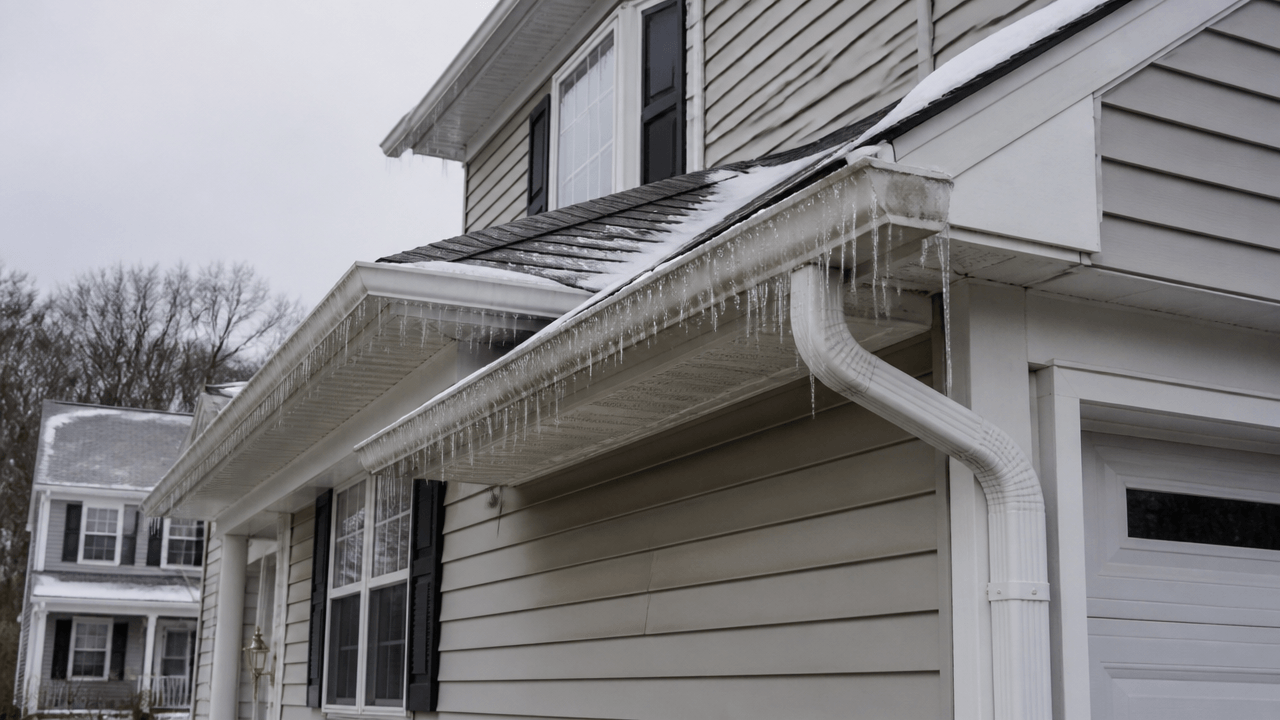
Fall leaves can trap moisture and block drainage points on flat roofs. Once that happens, small piles of debris can lead to water backup and added wear on the membrane.
🔍 Tip 6: Inspect flashing around roof edges
Roof edges, corners, and penetrations are common leak points on flat roofs. These areas should be checked carefully, especially before winter weather adds more pressure to the system.
📋 Tip 7: Compare long-term care needs
Some roofing systems need more attention over time, while others are easier to maintain based on the building’s layout. We recommend looking at the upkeep needs of EPDM and PVC before choosing based only on upfront cost.
🏠 Tip 8: Get a local opinion before making a final choice
A roof in Springfield faces a different mix of weather than one in a warmer or drier area. Local experience matters because the best flat roof material should fit both the climate and the building.
Frequently Asked Questions
Which is better for flat roofs, EPDM or PVC?
The better choice depends on the building, the roof layout, and how the roof will be used. EPDM is often a strong fit for flexibility, while PVC can be a better match when seam strength and certain exposure concerns matter more.
Is EPDM good for fall and winter weather?
Yes, EPDM can perform well in colder seasons because it stays flexible as temperatures drop. That flexibility can help the membrane handle seasonal movement on a flat roof.
Why do people compare EPDM vs PVC roofing for flat roofs?
People compare EPDM vs PVC roofing for flat roofs because both are common choices for low-slope buildings, but they perform differently in real-world conditions. The comparison helps owners choose a system that fits their weather, budget, and roof use.
How long do flat roof membranes usually last?
Yes, flat roof membranes can last many years when they are installed correctly and maintained on a regular schedule. Lifespan depends on the material, weather exposure, drainage, and how much wear the roof gets over time.
Can a flat roof be repaired instead of replaced?
Yes, some flat roofs can be repaired if the damage is limited and the rest of the system is still in good shape. If the roof has widespread wear, repeated leaks, or aging seams, replacement may be the better long-term choice.
Final Thoughts on Flat Roof Choices
Choosing the right membrane is about more than picking a name off a list. When we compare roofing systems carefully, we can match the roof to the climate, the building, and the way it will be used through the seasons. That kind of planning matters even more in Springfield, MA, where fall weather can quickly reveal weak spots.
If you are weighing your options, the safest move is to base the choice on your roof’s real conditions, not guesswork. A smart decision now can help you avoid bigger problems when colder weather arrives. For more updates and project insight, follow us on social media.