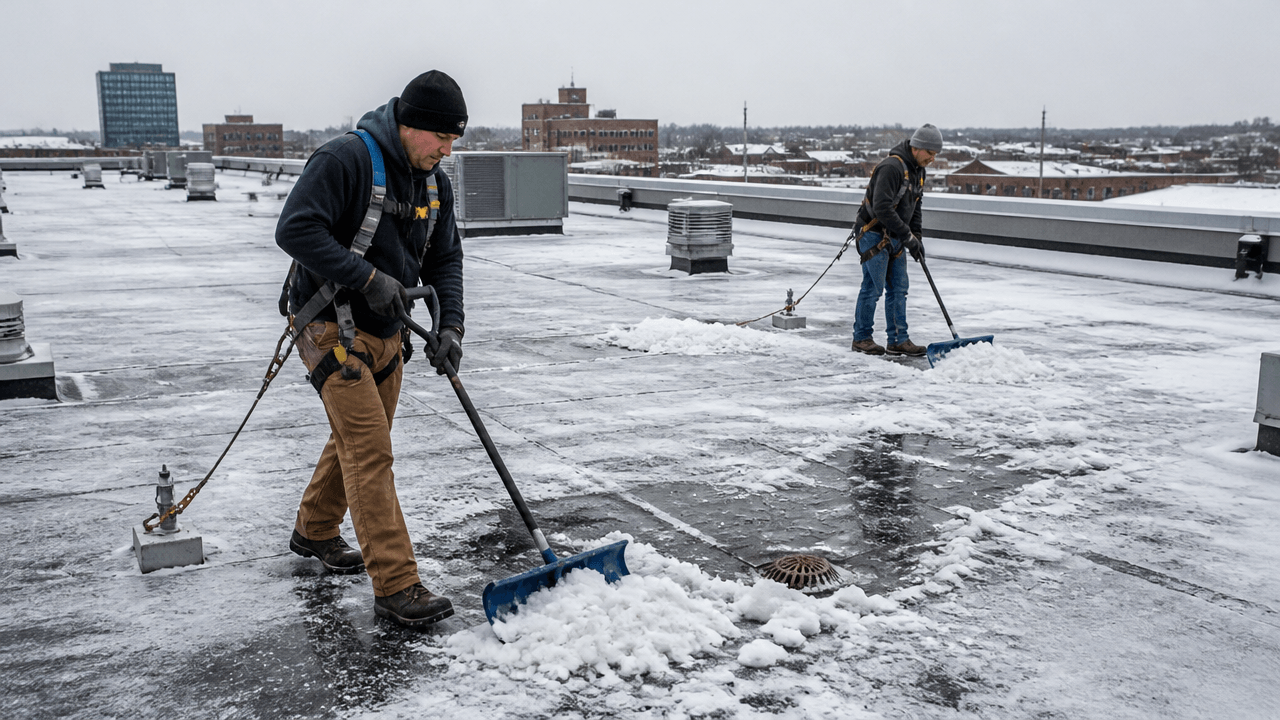
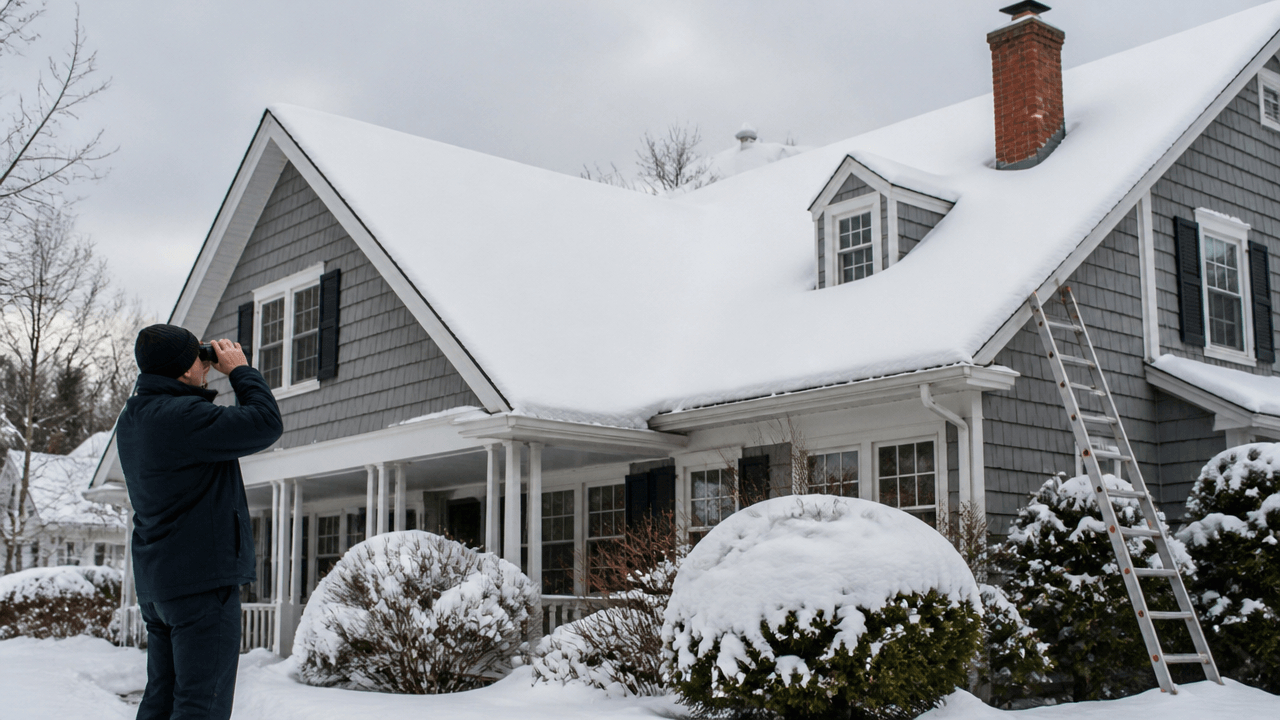
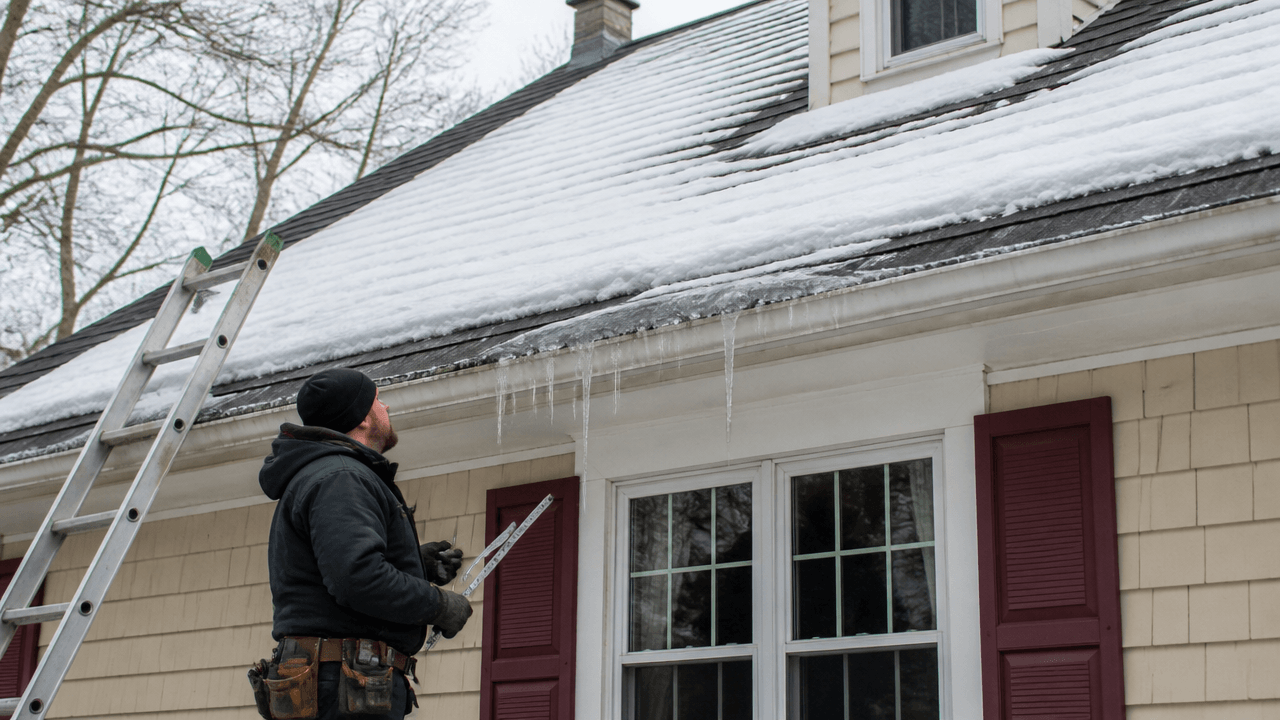
• Flat roofs need attention before winter: Small cracks, loose seams, and drainage issues can turn into leaks fast when cold rain and freezing temperatures arrive in Stamford, CT.
• A fall inspection helps prevent bigger damage: Checking the surface, flashing, seams, and water flow now can help spot problems early and make repairs easier before weather gets harsher.
• Timely repairs protect your property: Handling flat roofing repair before winter season can help reduce water damage, improve roof performance, and give you peace of mind heading into colder months.
Why Fall Is the Right Time to Act
As the weather turns cooler in Stamford, CT, roof problems can get worse faster than most people expect. A small issue on a flat roof can turn into a leak, soft spot, or water stain once colder rain and early snow arrive. That is why flat roofing repair before winter season matters so much for local homes and businesses.
Fall gives us a useful window to check for trouble before winter makes repairs harder. We often see loose seams, clogged drainage, and worn flashing show up at this time of year, especially on flat roofs that hold water longer than pitched roofs. If these problems are left alone, they can lead to bigger damage when freezing temperatures arrive.
We like to help property owners stay ahead of those risks with smart, timely roof care. For more on the types of roofing work we handle, you can visit our main roofing services page. Acting now helps protect the structure, the interior, and the peace of mind that comes with knowing your roof is ready.
What We Check Before Winter Hits
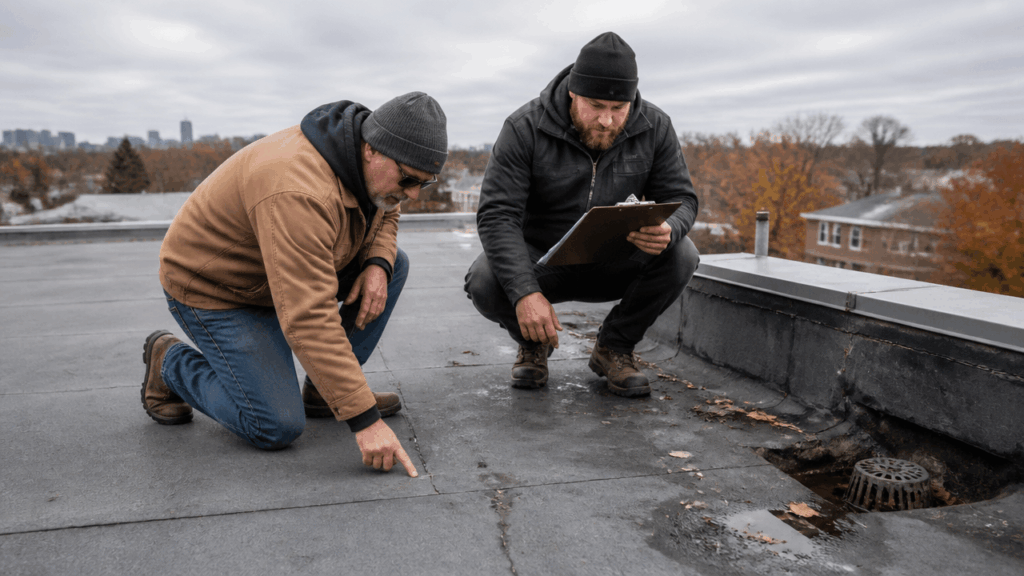
When we inspect a flat roof, we look for early signs that moisture may already be getting in. That includes ponding water, cracked surface material, open seams, and edges that no longer sit tight. These are all warning signs that a repair should be handled before winter weather makes the issue harder to fix.
We also pay close attention to drainage, because flat roofs need water to move off the surface in a steady way. If drains, scuppers, or gutters are blocked, water can sit in one place and weaken the roof over time. Our team knows that flat roofing repair before winter season is not just about patching damage, but about stopping the next problem before it starts.
A good fall repair plan should focus on the full roof system, not only the most visible spot. That is why we check the surface, the seams, the flashing, and the drainage points together. If a roof has recurring trouble, we look at the underlying cause so the repair holds up better in cold, wet weather.
Step-by-Step Guide
🔍 Step 1: Inspect the Roof Surface
Start by looking for standing water, cracks, blisters, and worn areas on the flat roof. These signs often show where the roof membrane has started to fail, and catching them early can help prevent larger leaks.
🧹 Step 2: Clear Debris and Blockages
Remove leaves, branches, dirt, and anything else that can trap water on the roof. Flat roofs depend on clean drainage paths, so even a small clog can lead to ponding and extra stress on the roof system.
📏 Step 3: Check Seams and Flashing
Look closely at seams, joints, vents, and edge flashing for gaps or lifting. These areas often take the most wear, and once they open up, water can enter quickly during fall rain or early freeze cycles.
💧 Step 4: Test Drainage Flow
Make sure water moves properly toward drains, scuppers, or gutters. If water sits in one place after rain, that is a sign the roof may need repair or a drainage adjustment before winter weather arrives.
🛠️ Step 5: Repair Small Damage Early
Handle small cracks, loose seams, and minor surface damage as soon as they are found. Small repairs are easier to manage in fall, and they help keep moisture out when temperatures drop.
🧱 Step 6: Strengthen Weak Areas
Pay extra attention to spots that have been repaired before or show repeated wear. These weak points often need more than a quick patch, and reinforcing them now can help the roof perform better through winter.
📋 Step 7: Review the Full Roof System
Check the roof as a whole, not just the damaged area. A flat roof can fail in more than one place at once, so a full review helps make sure one hidden issue does not get missed.
✅ Step 8: Confirm the Roof Is Ready for Cold Weather
Once the repairs are complete, make sure the roof is clean, sealed, and draining properly. This final check matters because winter weather can expose any weak spot that was left behind.
Common Mistakes to Avoid
A lot of DIY roof problems start with good intentions but poor timing. People often rush the job, miss key warning signs, or fix only the most visible damage. That can leave the roof open to leaks once cold rain or snow arrives.
The biggest mistakes are usually the ones that seem small at first. If the roof is not checked carefully and the drainage is not addressed, even a simple issue can grow fast. Here are the most common problems we see when people try to handle this work on their own.
– ⚠️ Mistake 1: Ignoring Small Cracks
Small cracks may not look serious, but they often let water in during repeated wet weather. This happens because people assume minor wear can wait, especially when the roof still looks mostly sound. To prevent this, inspect and repair even small surface damage before temperatures drop.
– ❌ Mistake 2: Leaving Debris on the Roof
Leaves and dirt can block drainage and hold moisture against the roof surface. This usually happens when cleanup is skipped or done too quickly. The best way to prevent it is to clear the roof and drainage points before making any repair.
– 🚫 Mistake 3: Overlooking Seams and Flashing
Many people focus on the center of the roof and forget the seams, edges, and flashing. Those spots are common leak points because they take more stress from weather and movement. Prevent this by checking every joint and edge as part of the repair process.
– ⚠️ Mistake 4: Fixing Only the Visible Problem
A stain or soft spot may be only one part of a larger issue underneath. This happens when the visible damage seems like the full story, but water often travels before it shows inside. Prevent it by checking nearby areas and drainage paths before closing up the repair.
– ❌ Mistake 5: Waiting Until Winter Starts
Cold weather can make repairs harder and can expose weak spots fast. People delay because the roof seems stable or because the issue does not look urgent yet. The best prevention is to handle flat roofing repair before winter season while fall weather still allows safer and more effective work.
Frequently Asked Questions
Why should flat roofing repair be done before winter?
Yes, flat roofing repair should be done before winter because cold weather can make small roof issues worse. Water can seep into weak spots, then freeze and expand, which puts extra stress on the roof. Handling repairs in fall helps reduce the chance of leaks and winter damage.
What are the warning signs that a flat roof needs repair?
Yes, common warning signs include ponding water, cracked areas, open seams, and worn flashing. These signs often mean the roof is starting to fail in spots that may not be easy to see from the ground. If we notice any of these issues, it is smart to act quickly.
Can small flat roof leaks wait until spring?
No, small flat roof leaks should not wait until spring. Even a minor leak can spread water into insulation, decking, and interior areas during wet or freezing weather. Early repair is usually the safer choice for both the roof and the building.
How does weather in Stamford, CT affect flat roofs in fall?
Yes, fall weather in Stamford, CT can be hard on flat roofs because of rain, cool nights, and early freeze cycles. Those conditions can open weak seams and make drainage problems more serious. That is why flat roofing repair before winter season is such an important step for local property owners.
What should be checked during a flat roof inspection?
Yes, a flat roof inspection should cover the surface, seams, flashing, drainage points, and any areas with past repairs. Each of these parts can show early signs of wear before a leak becomes obvious. A careful inspection helps find problems while they are still manageable.
Ready for the Cold Months Ahead
Fall is the right time to prepare a flat roof for the season ahead, especially when cold weather is close. A careful inspection, timely repairs, and clean drainage can help protect the roof from leaks and extra wear. That is the real value of planning flat roofing repair before winter season now instead of waiting for a problem to grow.
We know how important it is to keep your property safe and dry through Stamford’s colder months. With the right attention before winter arrives, a flat roof has a much better chance of holding up well when the weather turns rough. If you want to stay connected with our work and updates, follow us on Instagram.