• Fall is the best time to handle residential roof repair before winter because small issues can turn into leaks fast once cold weather arrives. A quick roof check can help spot missing shingles, flashing damage, and weak seal areas before they get worse.
• The safest way to prepare your roof is to inspect it, clear debris, check the attic, and repair problem spots before freezing temperatures arrive. These simple steps help protect your home from water damage, ice-related issues, and costly repairs later.
• Homeowners in Wilbraham can stay ahead of winter roof trouble by acting early and watching for warning signs like stains, sagging areas, and worn shingles. Taking care of repairs now helps keep the roof ready for snow, rain, and the colder months ahead.
Why Fall Roof Care Matters Before Winter Hits
As the weather turns colder in Wilbraham, small roof issues can turn into bigger problems fast. A loose shingle, a worn flashing edge, or a weak spot may seem minor now, but winter weather can push it into a real leak. That is why residential roof repair before winter should be on every homeowner’s list right now.
When cold air, rain, and snow start working on a roof, weak areas can open up quickly. Moisture can get in, freeze, and make the damage worse in a short amount of time. If you wait too long, repairs often become more costly and more urgent than they needed to be.
We help homeowners stay ahead of that risk by checking for trouble before the season changes for good. Our residential roofing services are built to catch problems early and keep your home better protected. Taking action now gives your roof a better chance to handle winter weather the right way.
How We Handle Roof Repair Before Winter
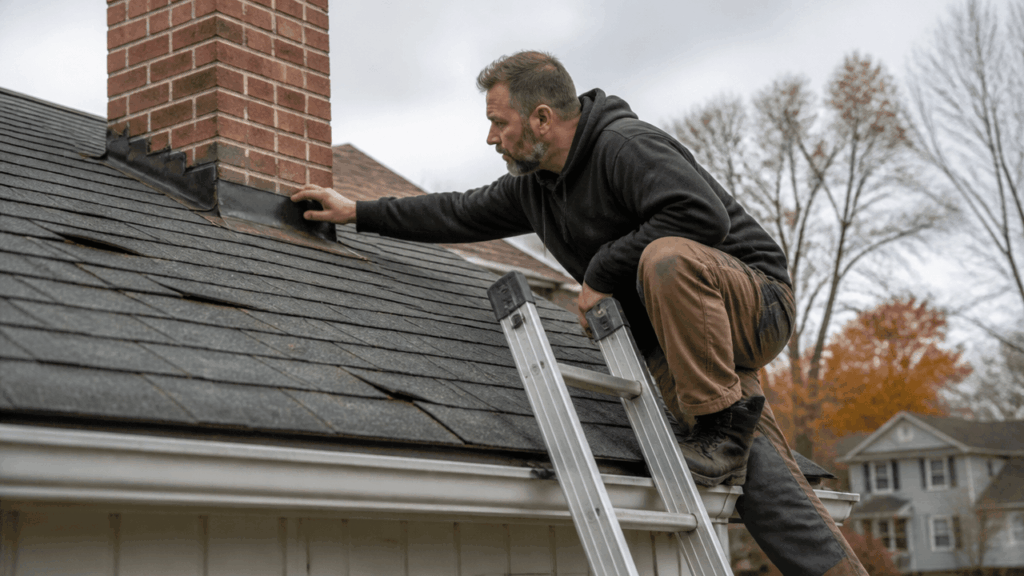
The first step is looking for signs that your roof is under stress. We check for missing shingles, soft spots, cracked seal areas, and damage around vents, chimneys, and valleys. These are some of the most common places where water finds a way in.
Next, we focus on the parts of the roof that protect against future leaks. That includes sealing problem spots, replacing damaged materials, and making sure water can move off the roof the way it should. When these repairs are done before the first hard freeze, the roof is in a much better position to handle the season.
Step-by-Step Guide
🔍 Step 1: Inspect the roof from the ground
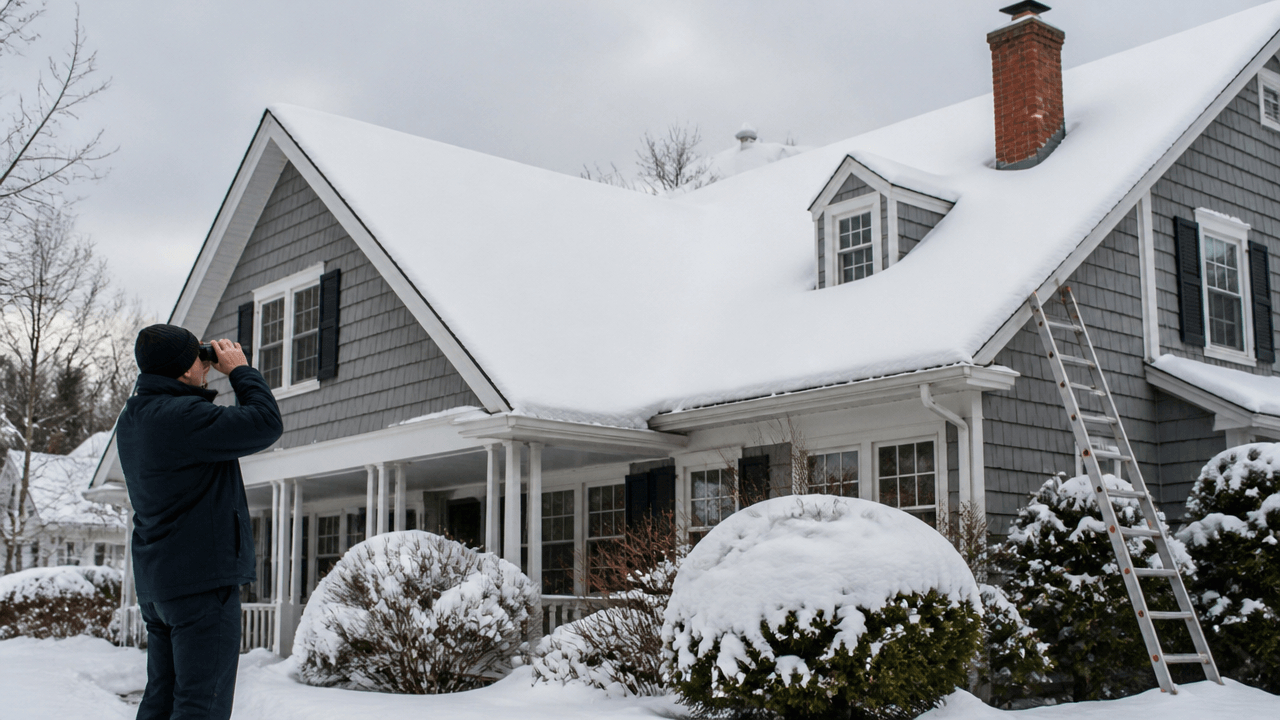
Start by looking for obvious signs of wear such as missing shingles, sagging areas, or damaged flashing. A ground-level check helps you spot clear trouble before you climb or call for repairs. It is a safe first step that can point you to the areas that need closer attention.
🪜 Step 2: Check the attic for signs of leaks
Look for water stains, damp insulation, dark spots, or a musty smell in the attic. These signs often mean moisture is already getting through the roof. Catching them early can help prevent more damage once winter weather sets in.
🧹 Step 3: Clear away leaves and debris
Remove leaves, twigs, and other buildup from the roof and gutters. Debris traps moisture and can block drainage, which makes roof problems worse in wet fall weather. A clean surface helps water move away from the home more easily.
🔧 Step 4: Examine flashing and seal areas
Check the metal flashing around vents, chimneys, skylights, and roof edges. These areas often fail before the main roof surface does, especially after seasonal temperature changes. If the seal is worn or cracked, water can slip in during rain or melting snow.
🛠️ Step 5: Replace damaged shingles
Look for shingles that are curled, cracked, loose, or missing altogether. Damaged shingles leave the underlayment exposed and make leaks more likely during winter storms. Replacing them now can help stop a small issue from spreading.
🌧️ Step 6: Make sure gutters drain properly
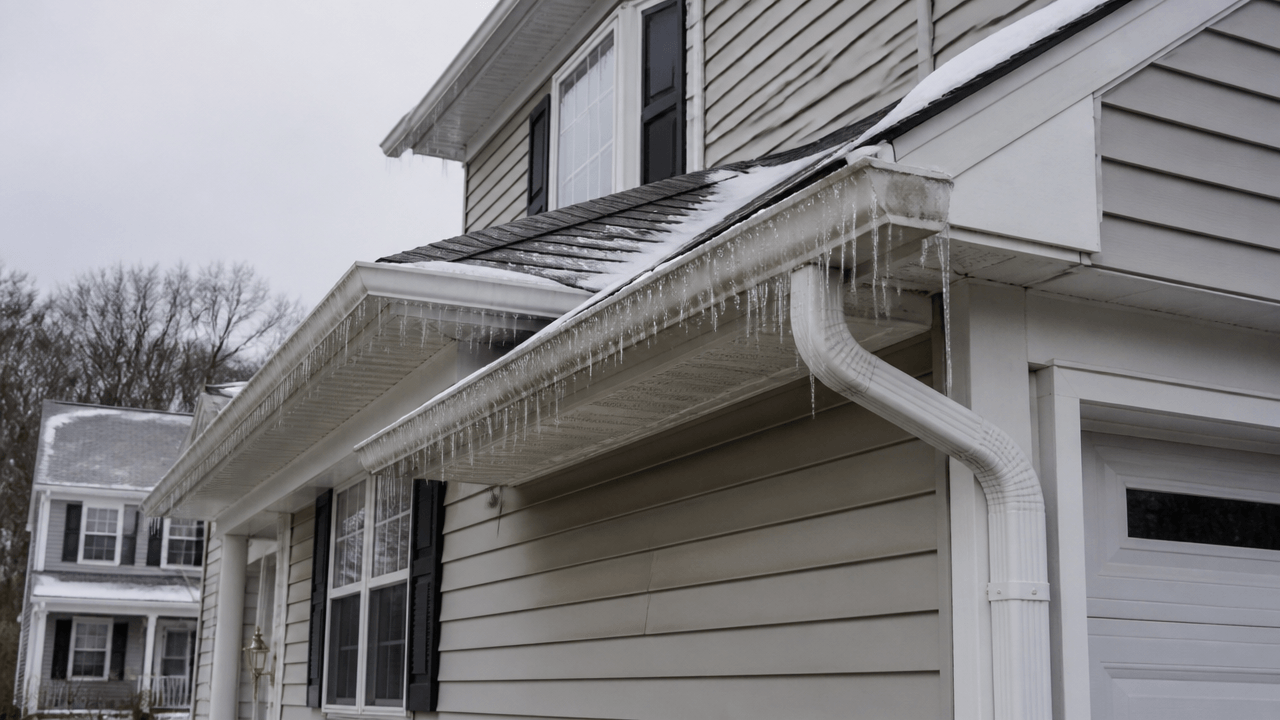
Check that gutters are clear and that water moves away from the roof and home. When gutters clog, water can back up and create problems along the roof edge. Good drainage helps protect both the roof and the outside of the house.
📋 Step 7: Test for weak spots after rain
After a rainstorm, look again for any fresh signs of moisture or new damage. Wet weather often shows where the roof is struggling in ways dry weather does not. This can help you decide if the repair area needs more work before winter.
👷 Step 8: Arrange repairs before freezing weather
If you find damage, get it fixed before the temperature drops too far. Cold weather can make some repair work harder and can also make existing damage worse. Acting early gives your roof a better chance to stay secure through the winter months.
Common Mistakes to Avoid
DIY roof repair can seem simple at first, but small mistakes often lead to bigger problems later. Many homeowners miss warning signs because they only look at the roof surface and not the areas where leaks usually start. Knowing what to avoid can help you save time, money, and stress.
The biggest issues usually happen when repairs are rushed or done too late in the season. That is especially true when homeowners are trying to finish everything before the weather changes. Careful planning and a close eye on detail make a big difference.
⚠️ Mistake 1: Only checking the roof from the yard
This happens when homeowners rely on a quick visual glance and assume the roof is fine. It can miss hidden damage around flashing, vents, and shingles that are easier to spot up close. Prevent it by checking both the roof surface and the attic for signs of trouble.
⚠️ Mistake 2: Ignoring small leaks or stains
This happens because a small stain or drip may not seem urgent at first. Small leaks often grow worse when cold weather and moisture keep working on the same weak spot. Prevent it by treating every sign of water as a warning that needs attention.
⚠️ Mistake 3: Leaving debris on the roof and in gutters
This mistake often comes from not realizing how much leaves and dirt can affect drainage. Blocked water flow can back up and cause damage near the roof edge and under shingles. Prevent it by cleaning the roof and gutters before fall weather turns harsher.
⚠️ Mistake 4: Waiting until freezing weather arrives
This happens when homeowners put off repairs because the damage does not look severe yet. Once temperatures drop, repair work can become harder and existing damage can spread faster. Prevent it by handling residential roof repair before winter while the weather is still workable.
⚠️ Mistake 5: Forgetting about flashing and seal points
This is common because people focus on shingles and overlook the smaller areas that often fail first. Flashing around chimneys, vents, and skylights is one of the first places leaks can start. Prevent it by giving those seams a careful check during every inspection.
Frequently Asked Questions
When should we schedule residential roof repair before winter?
Yes, the best time is in early to mid-fall, before the first freeze and before snow becomes likely. That timing gives us a better chance to fix damage while weather conditions are still more workable. It also helps protect the home before winter moisture can make the issue worse.
What are the most common signs that a roof needs repair?
Yes, missing shingles, curling shingles, water stains, and damaged flashing are some of the most common warning signs. We also watch for soft spots, sagging areas, and debris buildup that can trap moisture. These signs often point to roof trouble that should be handled soon.
Can small roof problems wait until spring?
No, small roof problems should not wait until spring if winter weather is coming soon. Cold temperatures, snow, and ice can turn a small issue into a much bigger repair. Fixing the damage now often helps prevent more costly work later.
Why is fall the best season for roof repairs in Wilbraham?
Yes, fall is a smart time for roof repair because the weather is often more stable and the roof is still easier to work on. In Wilbraham, that matters because winter can arrive with cold snaps, rain, and snow that put extra stress on weak spots. Handling repairs early gives the roof a better chance to hold up through the season.
How do we know if our roof needs professional help?
Yes, professional help is a good idea if you see leaks, missing shingles, flashing damage, or signs of moisture inside the home. We can spot issues that are easy to miss from the ground and help fix them before winter makes them worse. If the roof shows more than minor wear, it is safer to have it checked right away.
Stay Ahead of Winter Roof Damage
Fall is the right time to take roof problems seriously, especially when winter is close and the weather in Wilbraham can change fast. A careful inspection, a few smart repairs, and attention to drainage can help protect your home from leaks and costly damage. Taking care of residential roof repair before winter now is one of the best ways to prepare.
We believe the smartest roof work is the work done before a small issue becomes a bigger one. That is why staying alert, fixing trouble early, and watching the weather all matter so much for homeowners. If you want to keep up with our work and see more from our team, follow us on social media.