• Siding repair before winter weather helps stop small cracks, loose panels, and hidden gaps from turning into bigger problems once temperatures drop in Longmeadow, MA.
• A careful inspection, cleaning, repair, and sealing process can help protect your home from drafts, moisture, and added energy loss during the colder months.
• Knowing the most common DIY mistakes can help you avoid rushed repairs and make smarter choices before winter arrives.
Why Siding Needs Attention Before Winter
When cold weather moves into Longmeadow, small siding problems can turn into bigger home repairs fast. Loose panels, open seams, and cracked spots can let in wind and moisture when the temperature drops. That is why siding repair before winter weather matters so much for local homes.
A home’s siding does more than shape curb appeal, since it also helps guard the walls beneath it. If damage is already there, fall is the right time to deal with it before freeze and thaw cycles make it worse. We often help homeowners at our siding services page spot the warning signs early and take action while conditions are still manageable.
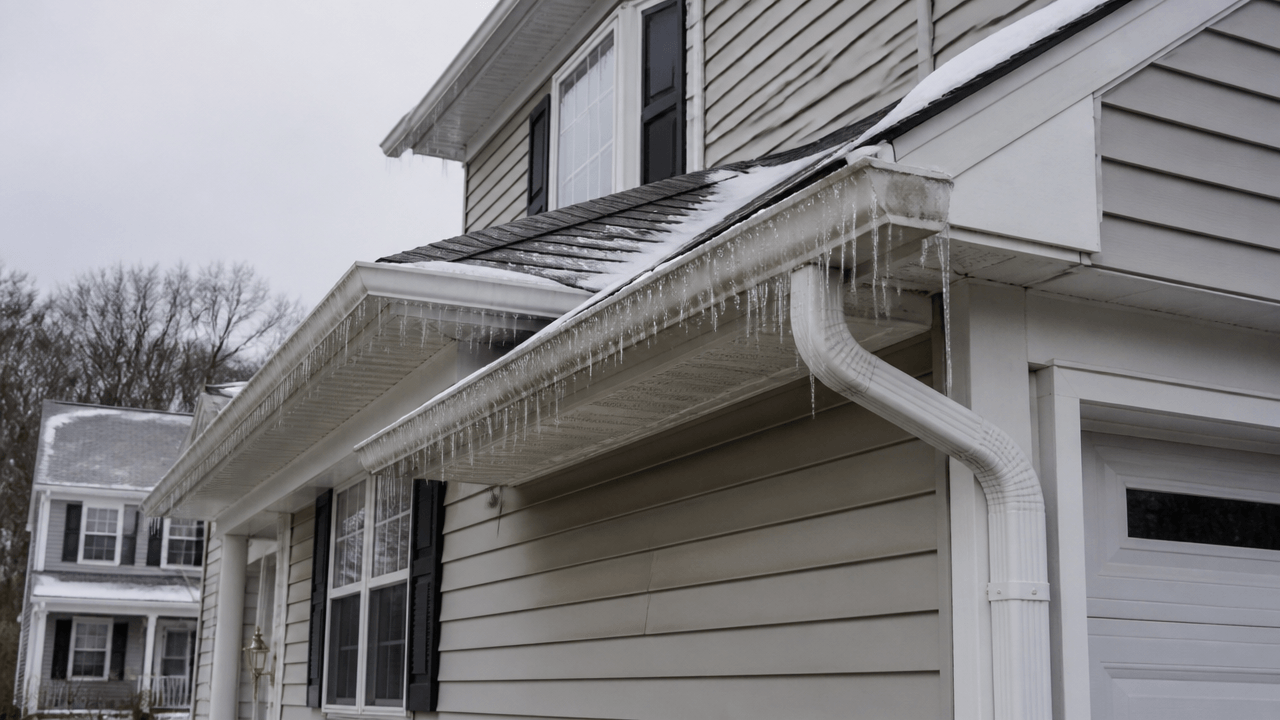
Even small gaps can lead to drafts, water intrusion, and energy loss once winter settles in. In a place like Longmeadow, where seasonal weather can shift quickly, waiting too long can make a simple fix much harder. A careful repair now can help protect your home through the cold months ahead.
How We Handle Siding Repairs Before Cold Weather
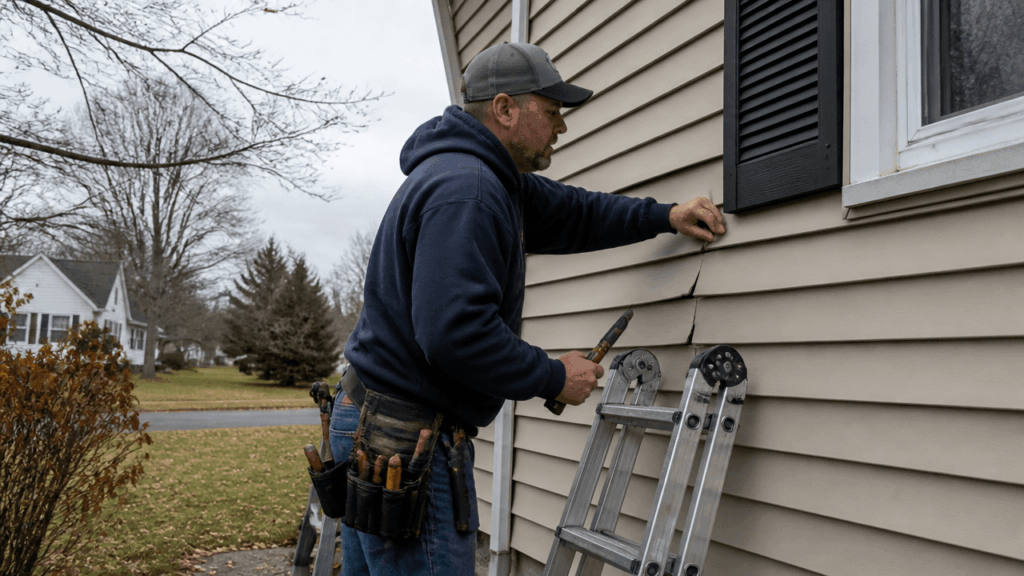
We start by checking the siding for cracks, warping, missing pieces, and any signs that water may have gotten behind the surface. These problems are not always easy to spot from the ground, so a close look matters before the first hard freeze. Once we know what we are dealing with, we can decide whether the issue is minor or part of a larger problem.
The goal is to seal out moisture before winter makes repairs more difficult. Damaged siding can shift when temperatures change, and that movement often makes openings larger over time. By handling siding repair before winter weather, we help keep the outside shell of the home stronger and more dependable.
Step-by-Step Guide to Winter Siding Repair
🔍 Step 1: Inspect the siding closely
Look for cracks, holes, loose panels, and spots that seem bent or swollen. These signs can point to weather damage or moisture issues that need attention before winter arrives.
🧤 Step 2: Check for soft or damp areas
Press gently near damaged sections to see if the material feels weak or spongy. Soft spots often mean water has already entered the siding system and may have started causing hidden damage.
🧹 Step 3: Clean the surface around the damage
Remove dirt, debris, and loose material so the problem area is easier to assess. A clean surface also makes it easier to see how far the damage extends and what type of repair is needed.
📏 Step 4: Measure the affected section
Take note of the size of any damaged area before making repairs. Accurate sizing helps ensure replacement pieces fit properly and cover the problem fully.
🔧 Step 5: Remove damaged pieces carefully
Take out any siding that is broken, warped, or no longer secure. This helps prevent the damage from spreading and gives you a solid base for the repair.
🪛 Step 6: Repair the wall beneath if needed
Check the layer under the siding for signs of rot, moisture, or other wear. If that layer is damaged too, it must be addressed before new siding goes back on.
🧱 Step 7: Install matching replacement siding
Fit the new piece so it lines up with the rest of the wall and stays secure. Matching the material and placement helps the repair blend in and perform as expected during cold weather.
🧊 Step 8: Seal edges and final gaps
Use the proper sealing method around the repaired area so wind and moisture have a harder time getting in. A tight finish is especially important before freezing temperatures set in.
Common DIY Mistakes to Avoid
Many homeowners want to handle siding repairs on their own before winter, but small errors can lead to bigger problems. Some mistakes happen because the damage looks simple at first glance, while others come from rushing to finish before the weather changes. Knowing what to avoid can save time and help protect the home more effectively.
⚠️ Mistake 1: Only fixing the visible damage
This happens when someone repairs the surface but ignores what may be behind it. Hidden moisture or rot can continue spreading if the lower layer is not checked, so the fix does not last.
⚠️ Mistake 2: Skipping the cleaning step
People often move straight to repairs because they want to save time. Dirt and loose debris can block a proper fit, so cleaning the area first helps the repair hold better.
⚠️ Mistake 3: Using mismatched replacement pieces
This usually happens when the goal is speed instead of fit. If the new siding does not match well, it can stand out and may not perform the same way as the original material.
⚠️ Mistake 4: Forgetting to check for soft spots
Some homeowners focus only on cracks or missing pieces and miss signs of hidden water damage. Soft areas often mean the siding or wall beneath needs more than a surface patch, so this step should never be skipped.
⚠️ Mistake 5: Waiting until freezing weather arrives
This is a common delay because the damage may not seem urgent in early fall. Once temperatures drop, materials can become harder to work with, and small openings can let in more cold air and moisture.
Frequently Asked Questions
Why is siding repair before winter weather so important?
Yes, it is important because cold air, wind, and moisture can make small siding problems worse fast. Siding repair before winter weather helps reduce the chance of drafts, water intrusion, and added stress on your home.
What are the most common signs of siding damage?
Yes, the most common signs include cracks, loose panels, warped sections, and soft spots. You may also notice gaps, peeling areas, or spots where moisture has started to affect the wall beneath.
Can damaged siding lead to higher energy bills?
Yes, damaged siding can make it easier for cold air to get inside. When that happens, your heating system may work harder to keep the home comfortable.
How do I know if siding damage needs professional repair?
Yes, you should call a professional if the damage is widespread, if the wall feels soft, or if you see signs of water behind the siding. Large problem areas often mean more than a simple surface fix is needed.
Is fall the best time for siding repair in Longmeadow, MA?
Yes, fall is one of the best times because the weather is usually more stable before deep winter sets in. That gives homeowners a better chance to complete siding repair before winter weather causes extra damage.
Final Thoughts for Longmeadow Homeowners
Taking care of siding problems before the cold arrives helps protect your home from avoidable damage. It also gives you a better chance to stop small issues before they turn into larger repairs during winter. We always recommend acting early, especially when the weather in Longmeadow starts to change.
A careful inspection, prompt repair, and proper sealing can make a real difference once freezing temperatures set in. If your home is showing signs of wear, now is the time to address them with confidence. For more from our team, follow us on social media.