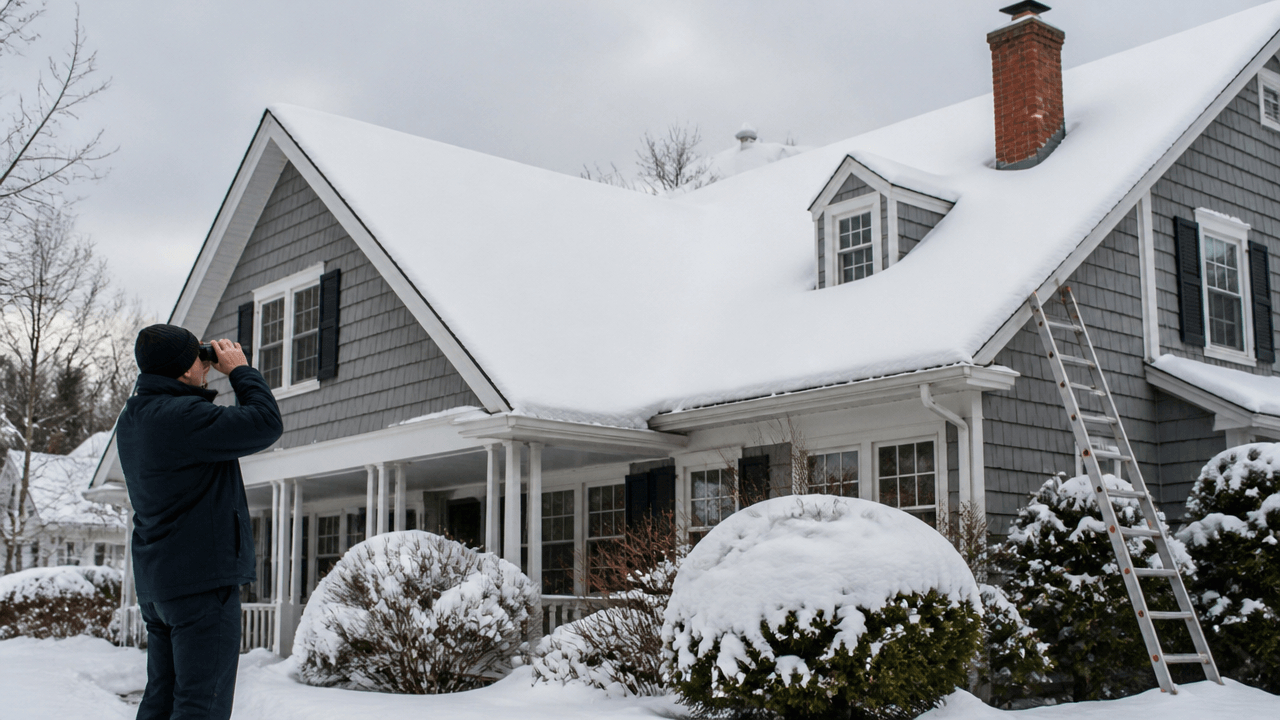
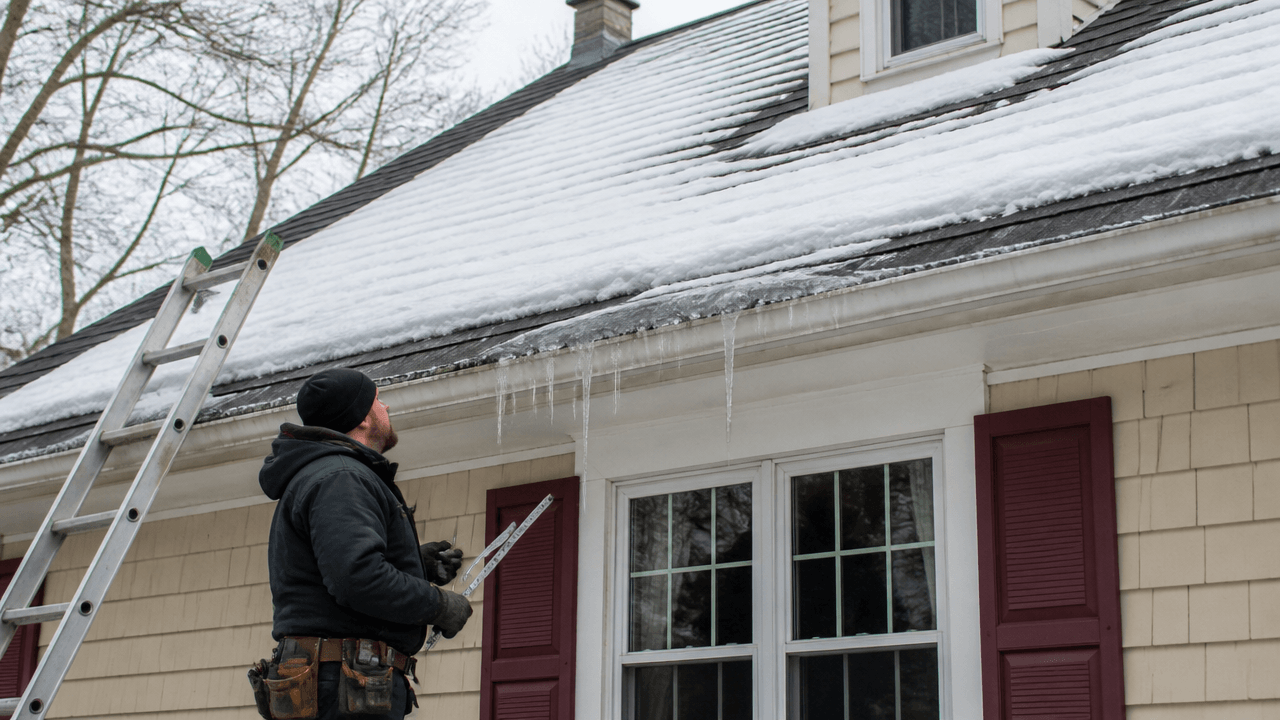
• Emergency roof tarping helps block water fast after storm damage and gives your roof short-term protection until repairs can begin. It can reduce interior damage, protect insulation, and buy time for a proper fix.
• In Wilbraham, MA, summer storms can leave a roof exposed with little warning, so quick action matters. The article explains why tarping is important, how it works, and the best steps to take right away.
• This guide also covers common DIY mistakes and answers key questions about emergency roof tarping benefits explained. Readers will learn how to protect their property safely and why temporary coverage should lead to permanent repairs.
Why Emergency Roof Tarping Matters Right Away
When a roof is damaged, water can move fast and cause more trouble than many people expect. In a place like Wilbraham, MA, summer storms can leave homes and businesses exposed in a matter of minutes. That is why emergency roof tarping benefits explained should never be treated as a minor topic.
A fast response helps slow down leaks, protect insulation, and reduce the spread of interior damage. It also gives us time to plan the right repair instead of rushing through a bigger problem later. For property owners, acting early can make the difference between a manageable issue and a costly repair job.
We often see that the first hours after roof damage matter most. Temporary protection can help keep rain, debris, and more moisture from getting inside while we assess the roof. If you need help right away, our emergency roof tarping service is designed to give your property a better chance of staying protected.
How Temporary Tarping Helps Protect Your Roof
Emergency tarping works by creating a short-term barrier over damaged areas of the roof. This helps block direct water entry and can also reduce the chance of more shingles, underlayment, or decking being exposed. In summer weather, sudden storms can make this step even more important because heavy rain can arrive with little warning.
We use tarping as a practical first line of defense while we prepare for a lasting fix. It is not meant to replace repair work, but it does buy valuable time and helps limit damage inside the building. When handled the right way, this simple step can protect ceilings, walls, floors, and belongings from further harm.
Step-by-Step Guide to Emergency Roof Tarping
🧰 Step 1: Check the Roof Damage
Look at the roof from a safe spot and note where the damage is located. This helps you understand how much of the roof needs to be covered and whether the issue is likely to let in water.
📞 Step 2: Contact a Roofing Pro
Call a roofing team that handles emergency repairs as soon as possible. Quick action matters because open roof damage can worsen during the next rain or wind gust.
🪜 Step 3: Gather Safe Access Tools
Use ladders and tools only if it is safe to do so, and never climb onto a roof that looks unstable. The goal is to prepare the area without putting anyone at risk.
🧽 Step 4: Clear Loose Debris
Remove branches, broken shingles, and other loose material from the damaged area. A cleaner surface helps the tarp sit more evenly and lowers the chance of punctures.
🛡️ Step 5: Place the Tarp Over the Damage
Lay the tarp so it extends well past the damaged section on all sides. This wider coverage helps keep wind and rain from reaching the open area under the tarp.
🔩 Step 6: Secure the Edges Firmly
Fasten the tarp with wood strips, boards, or other proper securing methods. A loose tarp can shift in the wind, which can leave the roof exposed again.
🌧️ Step 7: Check for Water Entry Indoors
After the tarp is in place, look inside for any signs of leaks, staining, or dripping. This helps confirm whether the temporary barrier is working or if more attention is needed.
📅 Step 8: Schedule the Permanent Repair
Arrange for a full roof repair once the property is protected. Temporary tarping is a short-term solution, so the roof still needs a lasting fix to stay secure.
Common Mistakes to Avoid
Many people try to handle roof tarping on their own after a storm, but small errors can lead to bigger damage. Most problems happen because the roof is being covered in a rush or without the right materials. Knowing the usual mistakes can help you avoid extra leaks and safety issues.
⚠️ Mistake 1: Waiting Too Long to Act
This happens when someone hopes the damage will not get worse and delays the tarp. It often leads to more water getting inside, which can spread damage to ceilings, walls, and insulation. To prevent it, protect the roof as soon as the damage is found.
⚠️ Mistake 2: Using a Tarp That Is Too Small
A small tarp may seem easier to handle, but it often leaves gaps around the damaged area. That usually happens when people underestimate how far water can travel under wind and rain. To avoid it, choose a tarp that overlaps the problem area by a wide margin.
⚠️ Mistake 3: Securing the Tarp Poorly
Loose edges can flap, shift, or tear in the wind, which makes the tarp much less effective. This mistake often comes from using too few fasteners or not anchoring the tarp evenly. To prevent it, fasten the tarp tightly and make sure the edges stay flat.
⚠️ Mistake 4: Ignoring Safety Risks
Some property owners try to climb onto a wet or damaged roof without the right setup. This usually happens because they want a fast fix and do not realize how unstable the surface can be. To stay safe, avoid roof access if the structure looks weak or slippery.
⚠️ Mistake 5: Treating the Tarp as the Final Fix
A tarp is only temporary, but people sometimes leave it in place for too long. That happens when the immediate leak stops and the repair is delayed. To prevent future problems, schedule permanent roof work as soon as possible.
Frequently Asked Questions
How long does emergency roof tarping last?
Yes, emergency roof tarping is only a short-term solution. It can protect a roof for a limited time, but weather, wind, and the condition of the damage all affect how long it stays effective. A permanent repair should follow as soon as possible.
Does emergency roof tarping really stop leaks?
Yes, it can greatly reduce active leaking when it is installed correctly. It works by covering exposed areas and blocking rain from getting into the damaged section. This makes it one of the fastest ways to limit more water damage.
What are the main emergency roof tarping benefits explained?
Yes, the main emergency roof tarping benefits explained are water protection, reduced interior damage, and more time to arrange repairs. It also helps keep the roof from being exposed to more wind and rain. For many property owners, that quick protection can save time and stress.
Can I tarp a roof myself after storm damage?
Yes, but only if the area is safe and you understand the risks. Roof tarping can be dangerous on wet, steep, or damaged surfaces, so many people choose to have trained roofers handle it. Safety should always come first.
When should I call for emergency roof tarping in Wilbraham, MA?
Yes, you should call as soon as you see missing shingles, active leaks, or visible roof openings. In Wilbraham, MA summer storms can move quickly, so prompt action is important. The sooner the roof is covered, the better the chance of limiting damage.
Final Thoughts on Roof Protection
Emergency tarping gives property owners a fast way to protect a damaged roof from more water and weather exposure. It is a smart first move when summer storms leave a roof open and vulnerable, especially when quick action can help limit interior damage. The real value comes from treating it as the first step toward a proper repair.
We believe the best results come from acting early, using the right approach, and following through with permanent work. If you want to stay connected with our team and see what we are working on, follow us on Instagram.