• Storm damage can spread fast on a commercial roof, especially after heavy rain and wind in Wilbraham, MA.
• A careful inspection helps spot hidden issues like lifted seams, flashing damage, and water intrusion before they get worse.
• Following the right repair steps can protect your building, reduce costly damage, and keep your roof ready for the next storm.
Why Storm Damage Needs Fast Action
When a storm hits a commercial roof, the damage is not always easy to spot right away. Small tears, loose seams, and lifted flashing can let water in and create bigger problems fast. In Wilbraham, MA, summer storms can bring heavy rain and strong winds that put added stress on flat and low-slope roofs.
That is why a commercial roof storm damage repair guide matters for property owners and managers who want to act before damage spreads. We often see how a small issue can turn into stained ceilings, soaked insulation, and business interruptions if it is ignored. If your building has been hit by severe weather, it is smart to take a close look at your roof and reach out through our commercial roofing services when you need help.
Fast action can make a big difference after a storm. The sooner you spot trouble, the easier it is to protect your building and avoid costly follow-up repairs. A quick response also helps you stay ahead of water intrusion, which can affect both the roof system and the inside of the building.
How Roof Damage Spreads After a Storm
Storm damage often starts in one small spot and grows from there. Wind can lift materials at the edges, and rain can slip into weak areas around vents, seams, and flashing. Once moisture gets under the roof system, it can spread farther than many people expect.
A good commercial roof storm damage repair guide should focus on both visible and hidden damage. The roof surface may look fine from the ground, but the real problem can be under the membrane or around rooftop equipment. That is why we encourage careful checks after every major storm, especially during the summer months when sudden weather shifts are common in this area.
Buildings with commercial roofs need regular attention because these systems are designed to handle large surface areas and drainage points. When one part fails, the whole system can be affected. Acting early keeps the problem smaller and gives you a better chance of avoiding water damage inside the building.
Step-by-Step Storm Damage Repair Guide
🔍 Step 1: Check the Roof From the Ground
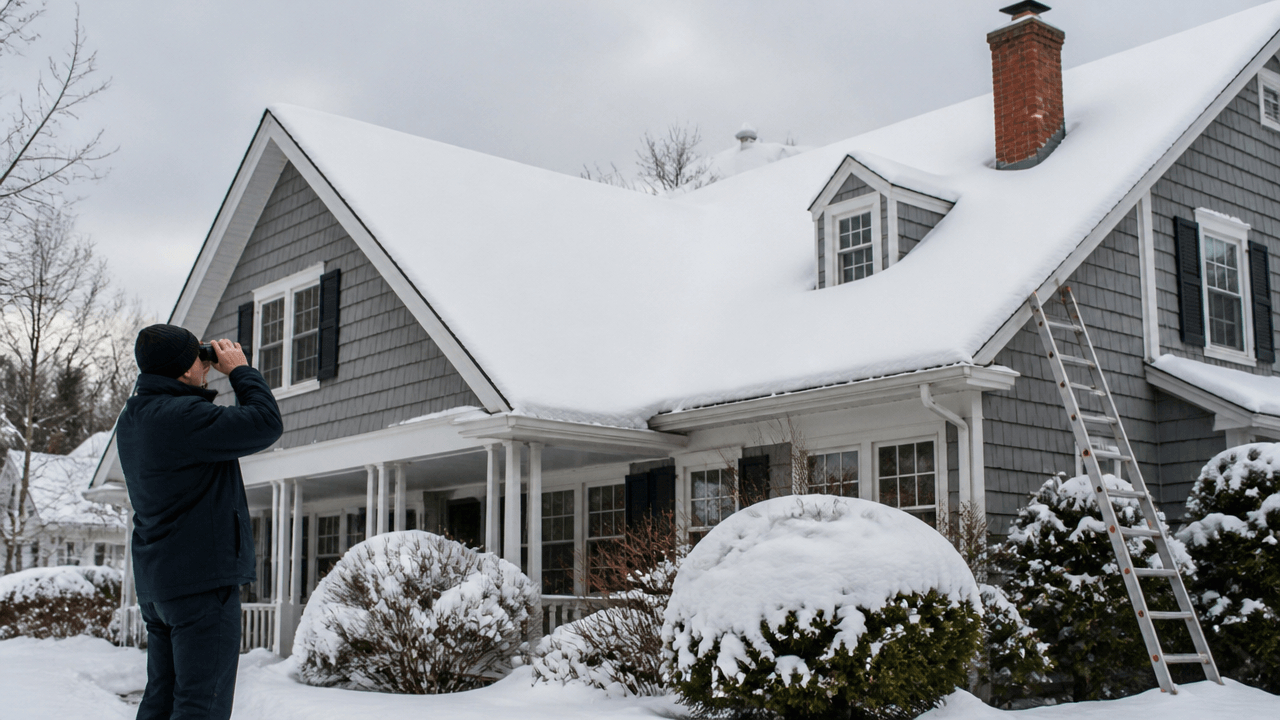
Start by looking for signs of damage from a safe spot on the ground. Watch for loose material, debris on the roof, sagging areas, or water spots near the building. This first look helps you notice problems before you decide on the next step.
📸 Step 2: Take Clear Photos of the Damage
Document anything that looks unusual, including torn edges, missing parts, and visible pooling water. Photos can help show how the storm affected the roof and create a record for repair planning. Good records also make it easier to compare damage if conditions get worse later.
🧰 Step 3: Inspect Key Trouble Areas
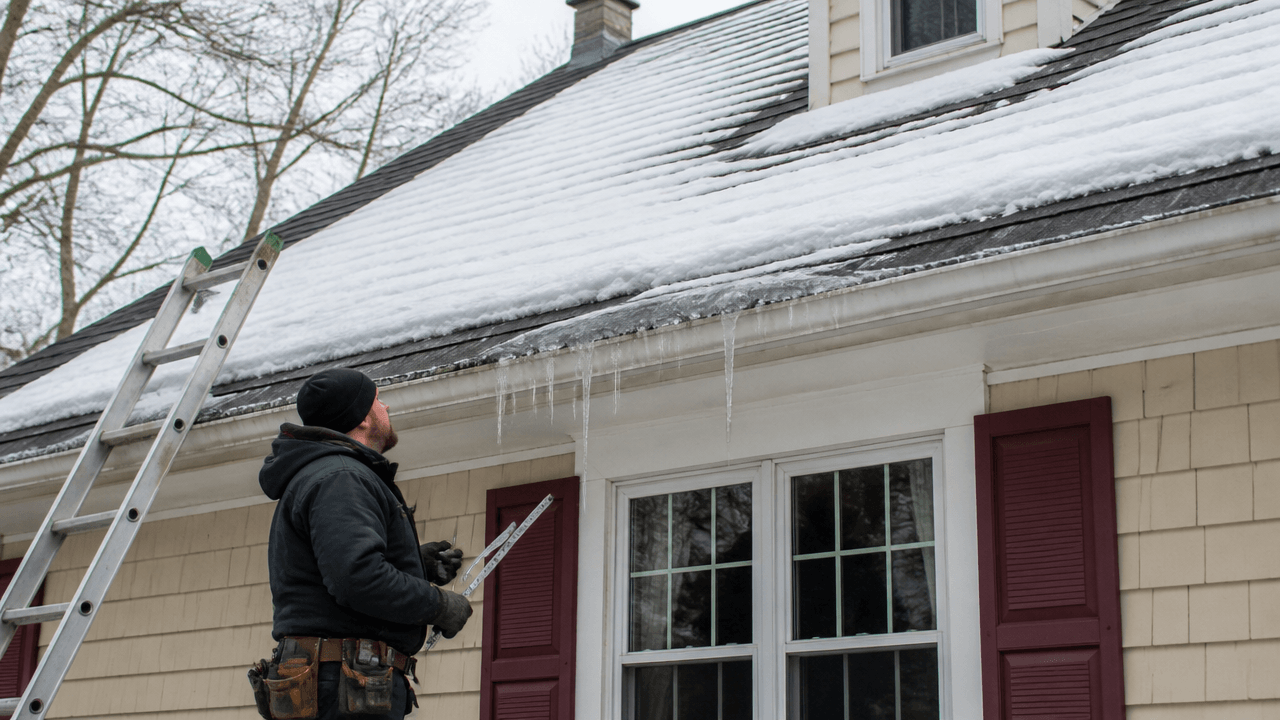
Check places where leaks often start, such as flashing, seams, drains, and rooftop units. These spots take extra stress during heavy wind and rain, so they are often the first to fail. Careful inspection of these areas helps narrow down where water may be getting in.
🌧️ Step 4: Look for Signs of Water Intrusion
Inside the building, check for stains, drips, wet insulation, or damp ceilings. Water can travel away from the original opening, so the wet spot may not sit right under the roof issue. Finding these clues early can help limit more interior damage.
🛠️ Step 5: Make Temporary Protection if Needed
If water is still getting in, use short-term protection to reduce further damage until repairs begin. This may include covering exposed areas and keeping the inside of the building as dry as possible. Temporary protection buys time and helps prevent the problem from spreading.
📋 Step 6: Get a Professional Roof Evaluation
Have a trained roofing team inspect the full system after storm damage. A close review can reveal damage that is not visible from the ground, including soft spots and hidden seam failure. Professional eyes help make sure the repair plan fits the actual condition of the roof.
🧾 Step 7: Review Repair Needs and Next Steps
Once the damage is known, decide whether the roof needs a spot repair or a larger fix. The right choice depends on how far the storm damage spread and how much of the system was affected. Clear planning helps you move forward without wasting time or money.
🔒 Step 8: Schedule Repairs Before More Weather Hits
Do not wait for the next storm to arrive before taking action. Summer weather in Wilbraham, MA can shift quickly, and another round of rain can make a small roof problem much worse. Prompt repair helps protect the building and keeps the roof ready for the season ahead.
Mistakes That Make Roof Damage Worse
Many people try to handle storm damage on their own because they want a fast fix. That can lead to missed problems, unsafe access, and repairs that do not last. Knowing the most common mistakes can help you avoid bigger trouble later.
- ⚠️ Mistake 1: Only checking the roof from a distance This happens when people rely on a quick glance and assume the roof is fine. It often misses lifted seams, small punctures, and damage around flashings, so the fix starts too late. The best prevention is to inspect the roof carefully and look at the areas most likely to fail first.
- ❌ Mistake 2: Ignoring small signs of water entry This mistake happens because a tiny stain or drip can seem harmless at first. Even a small leak can spread through insulation and deck materials, which makes the repair harder later. Prevent it by treating every sign of moisture as a warning that needs attention.
- 🚫 Mistake 3: Using the wrong temporary patch People sometimes choose a quick fix that does not match the roof type or the weather conditions. That usually happens when they want to stop the leak fast without checking the full damage. To prevent this, use only short-term protection that is meant to reduce further harm until proper repairs are done.
- ⚠️ Mistake 4: Forgetting hidden damage near drains and seams This often happens because these areas do not always show clear damage from the ground. Water can enter at a weak point and travel across the roof before it becomes visible inside. Prevent this by giving extra attention to joints, drains, and equipment curbs during inspection.
- ❌ Mistake 5: Waiting too long to get a roof evaluation Some owners delay help because the roof still looks usable after the storm. That delay can allow hidden damage to grow and lead to more expensive repairs later. The safest move is to arrange a professional look as soon as storm damage is suspected.
Frequently Asked Questions
What should I do first after a storm damages a commercial roof?
Yes, the first step is to check the roof safely and look for visible signs of damage. A commercial roof storm damage repair guide should begin with a careful ground-level inspection, followed by photos and a closer review of trouble areas if it is safe to do so. Acting quickly helps reduce the chance of water getting deeper into the building.
How can I tell if storm damage is serious?
Yes, storm damage is serious when you see lifted materials, torn seams, wet spots, or water inside the building. Even small openings can let in enough moisture to cause larger problems over time. If the damage affects flashing, drains, or seams, it should be treated as a real concern.
Can storm damage be hidden on a commercial roof?
Yes, storm damage can stay hidden even when the roof looks fine from the ground. Wind and rain can weaken seams, lift edges, or damage areas around equipment without causing an immediate leak. That is why a full inspection is important after severe weather.
Should I wait to repair a roof after a summer storm?
No, waiting usually makes the problem worse. Summer storms in Wilbraham, MA can be followed by more rain, which gives water more chances to spread through the roof system. Fast repairs help protect both the building and the people inside it.
What is the best way to prevent more damage after a leak starts?
Yes, the best way is to limit water entry right away and get the roof checked by a professional. Temporary protection can help reduce further harm, but it should not replace a proper repair plan. A quick response gives you the best chance to keep the damage under control.
Protect Your Roof Before the Next Storm
Storm damage can move fast, but the right steps can slow it down and keep your building better protected. A smart response starts with a careful inspection, clear records, and prompt repairs that address both the visible and hidden issues. When you follow a commercial roof storm damage repair guide, you give your roof a much better chance to handle the next round of weather.
We know how important it is to keep a commercial property dry and ready for work. If you want to stay connected and see more from our team, follow us on social media.