• Understanding the residential roof installation process helps homeowners spot problems early, plan ahead, and avoid costly delays. In Bloomfield, CT, summer weather can make timing even more important.
• A strong roof installation starts with a careful inspection, solid preparation, proper materials, and attention to details like flashing and ventilation. Each step plays a role in helping the roof last longer and protect the home.
• Simple tips can make the project easier, from checking the roof deck to planning for the timeline and choosing the right materials. Knowing what to expect gives homeowners more confidence before the work begins.
Why Timing Matters for a New Roof
When a roof starts showing signs of age, delays can turn a small issue into a bigger one fast. In Bloomfield, CT, summer heat can add stress to materials and make weak spots more noticeable. That is why knowing the residential roof installation process explained can help homeowners act before a problem grows.
A new roof is not just about curb appeal; it is also about protecting the home from moisture, wind, and daily wear. If shingles are curling, missing, or failing in key spots, waiting too long can lead to damage inside the house. We often remind homeowners that the right timing can save stress later, especially during a busy summer season.
For homeowners who want a clear place to start, our residential roofing services can help guide the next step. Understanding what comes next makes the whole job feel more manageable. It also helps you make smart choices before small roofing concerns become urgent repairs.
What Happens During Installation
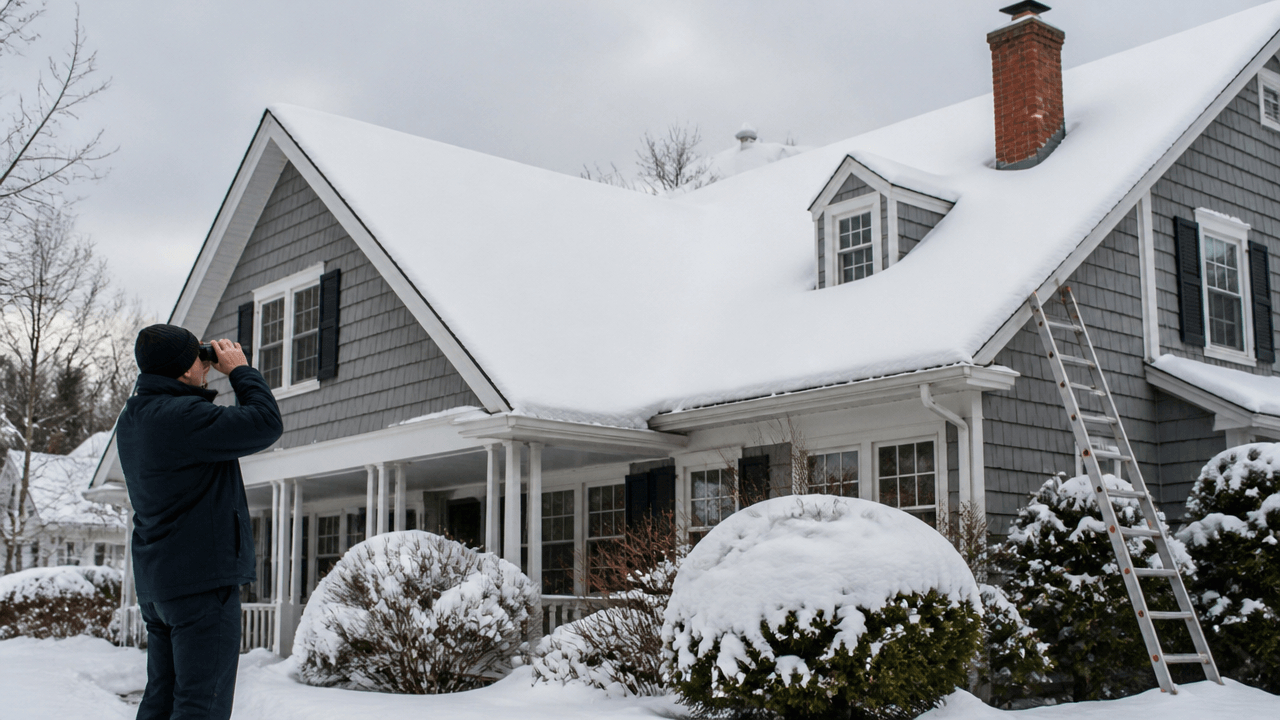
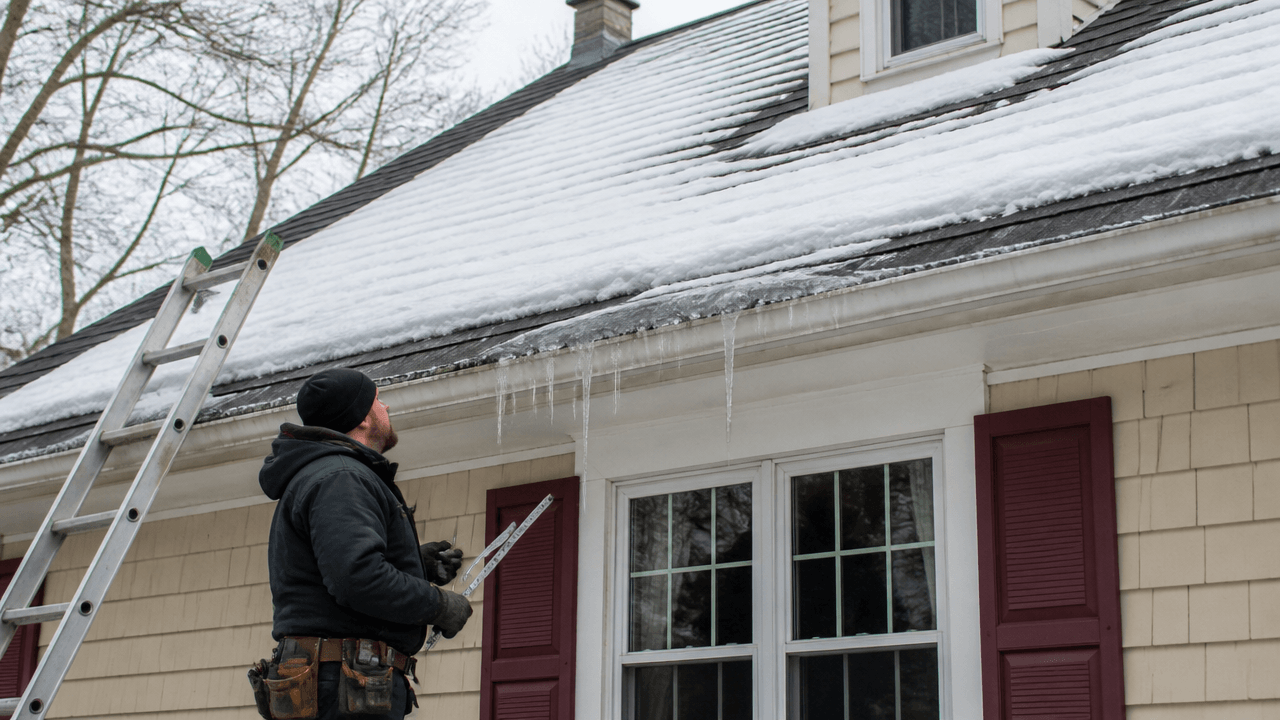
A roof installation usually begins with a close inspection of the existing roof and the structure underneath it. We look for signs of rot, damage, or weak decking before any new materials go on. This step matters because a strong roof system starts with a solid base.
After that, the old roofing materials are removed and the surface is prepared for the new system. Underlayment, flashing, and shingles are then installed in the right order to help keep water out. Every step has a purpose, and skipping even one can affect how the roof performs over time.
We also pay attention to ventilation and clean edges because those details help the roof work as it should. Homeowners in Bloomfield, CT, often need a roof that can handle summer storms and changing weather patterns. That is why careful work during installation is just as important as the materials chosen.
Tips from the Pros
📋 Tip 1: Start with a Roof Check
Before any roof work begins, we recommend a full inspection of the existing system. This helps spot hidden damage that could affect the new installation. A clean starting point makes the process smoother and safer.
🌡️ Tip 2: Watch Summer Heat Stress
Hot weather can make roofing materials more sensitive during handling and installation. In Bloomfield, CT, summer heat can also reveal weak areas that were not obvious earlier in the year. Planning ahead helps avoid delays once work begins.
🛠️ Tip 3: Replace Damaged Decking Early
If the roof decking is soft or rotted, it should be replaced before new shingles are installed. A new roof can only perform well when the surface below it is strong. This is one of the most important parts of the residential roof installation process explained.
🔍 Tip 4: Pay Attention to Flashing
Flashing helps seal areas around chimneys, vents, and roof edges. These spots are common trouble areas because water can slip in if the seal is not right. Careful flashing work helps protect the home from leaks.
📦 Tip 5: Choose Materials That Fit the Home
Different homes need different roofing materials based on pitch, design, and weather needs. The right choice should support both durability and appearance. Matching the material to the home helps the roof last longer and work better.
🌧️ Tip 6: Do Not Ignore Ventilation
Good roof ventilation helps move heat and moisture out of the attic. Without it, the roof system can wear out faster and the home may feel less comfortable in warm weather. This is especially important during summer months.
🧹 Tip 7: Keep the Work Area Clear
Roof installation works best when the area around the home is ready for crews and materials. Clearing driveways and nearby spaces helps the job move along in a safer way. It also helps avoid damage to outdoor items.
⏱️ Tip 8: Plan for the Full Timeline
A roof project can take more than one day, depending on the size and condition of the home. Weather, repairs, and material choices can all affect the schedule. Knowing this ahead of time helps homeowners stay prepared and reduce stress.
Frequently Asked Questions
What is the residential roof installation process?
Yes, it usually starts with an inspection, then removal of the old roof, preparation of the deck, and installation of underlayment, flashing, and shingles. The residential roof installation process explained is meant to make each step clear so homeowners know what to expect. A proper installation also includes cleanup and a final check.
How long does a new roof installation take?
Yes, most residential roof installations take one to several days, depending on the roof size and condition. Weather, repair needs, and material type can change the schedule. A larger or more damaged roof usually takes longer.
What signs mean I may need a new roof?
Yes, curling shingles, missing shingles, repeated leaks, and visible wear are common warning signs. If the roof is showing age or damage in several areas, replacement may be the better choice. An inspection can help confirm the next step.
Why is summer a good time for roof replacement in Bloomfield, CT?
Yes, summer often gives roofing crews more stable working conditions and longer daylight hours. In Bloomfield, CT, warm weather can also make it easier to spot roofing problems that need attention. That said, heat can also make timing important, so planning ahead matters.
How do I prepare my home for roof installation?
Yes, you should clear driveways, protect items in the attic, and make sure the crew has easy access to the home. It also helps to move outdoor furniture and secure anything that could be affected by falling debris. A little prep can make the project go more smoothly.
Final Thoughts on Your Roof
A new roof is a big project, but it becomes much easier when homeowners understand the steps ahead of time. The residential roof installation process explained gives you a clear picture of what matters most, from inspection to final cleanup. When the work is done carefully, your home is better prepared for the season ahead.
In Bloomfield, CT, summer is a smart time to stay alert to roof wear and handle issues before they grow. We are proud to help homeowners protect their property with honest guidance and skilled roofing work. For more updates and project moments, follow us on social media.