• Identify signs your roof needs replacing such as missing shingles and leaks, crucial for determining replacement timing
• Understand the best season for roof work, with late spring to early fall offering favorable conditions for replacement
• Prioritize professional inspections and proper home preparation to ensure a smooth and efficient roof replacement experience
Identifying the Warning Signs
When it comes to the wellbeing of your home, the integrity of your roof should never be overlooked. It’s the shield that protects your dwelling from the elements, and yet, it’s often until a significant problem arises that most homeowners take notice. Look for missing shingles, a telltale sign of a roof reaching its life’s end and a clear indication that maintenance, if not a complete replacement, is in order. Additionally, if you’ve spotted shingles that are cracked, curled, or appear wet, these are markers that cannot be ignored, for they compromise the protective barrier of your roof against water infiltration and potential interior damage.
The impact of water cannot be underestimated; leaks within your home suggest that your roof could be failing. When ceilings or walls show water stains, it is a silent alarm for urgent action, signaling that moisture has found its way through your roof’s defenses. Persistent leaks following rainstorms are not only inconvenient but can lead to more severe structural issues and costly repairs if not addressed in a timely manner. Therefore, keeping an eye out for leaks is critical in gauging the necessity for a roof replacement.
Beyond the visible, age itself is a critical factor in determining your roof’s health. Most roofs are designed to last about 20 to 25 years, so if yours is nearing or has surpassed this age, it might be time to consider its replacement. However, it isn’t just about the number of years; consider how the weather and seasonal extremes have worn down your roof over time. With this insight, you can make an informed decision on whether to repair or replace, ensuring the continued safety and comfort of your home.
Seasonal Considerations in Roof Replacement
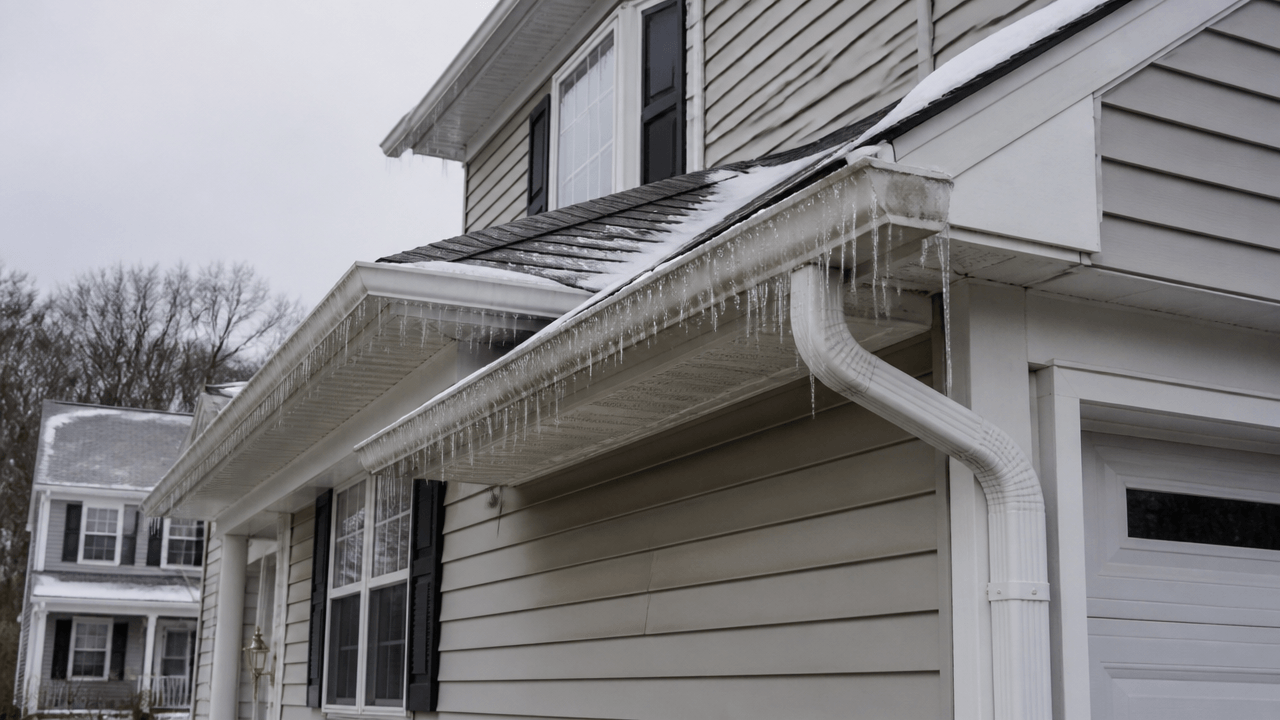
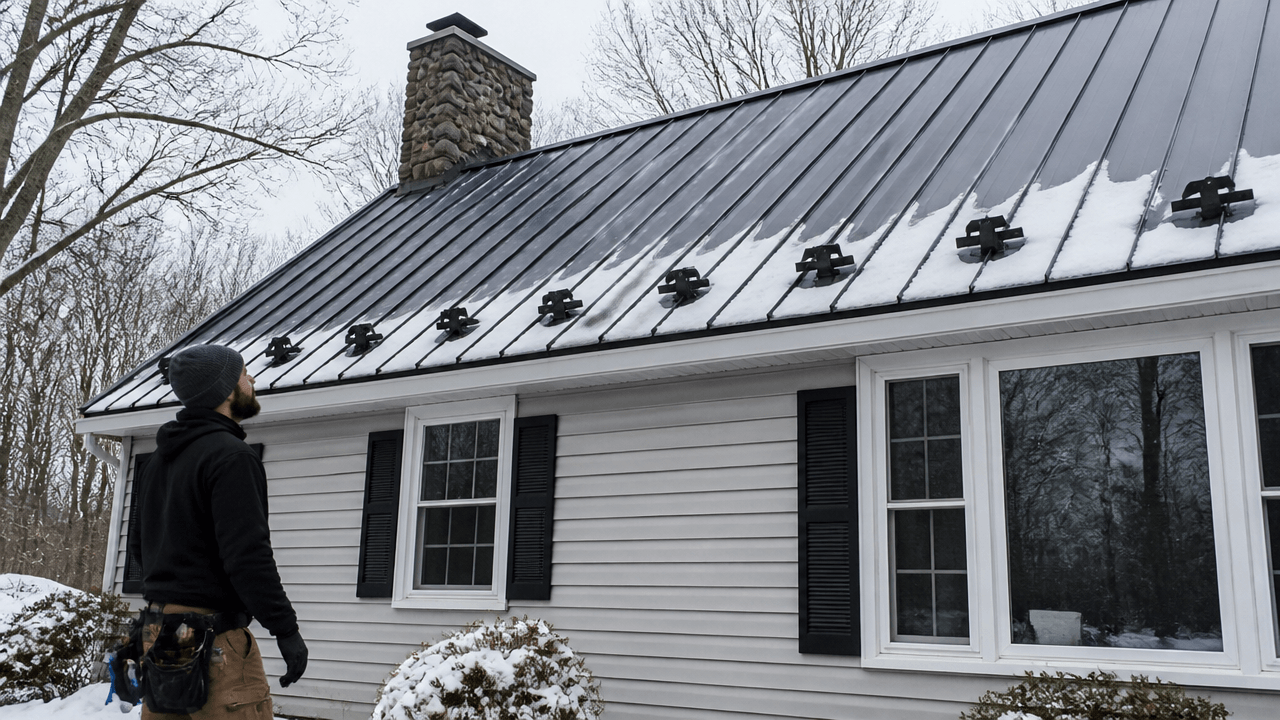
While the urgency of roof replacement cannot be understated, timing is a factor that demands careful consideration. Seasonal patterns play a crucial role in planning for this significant home improvement project. Intense weather conditions, be it the searing heat of summer or the frigid cold of winter, can both pose challenges and present opportunities for roof work. It’s important to consult with professionals who have a thorough understanding of the local climate and can advise on the optimum period for your roof replacement.
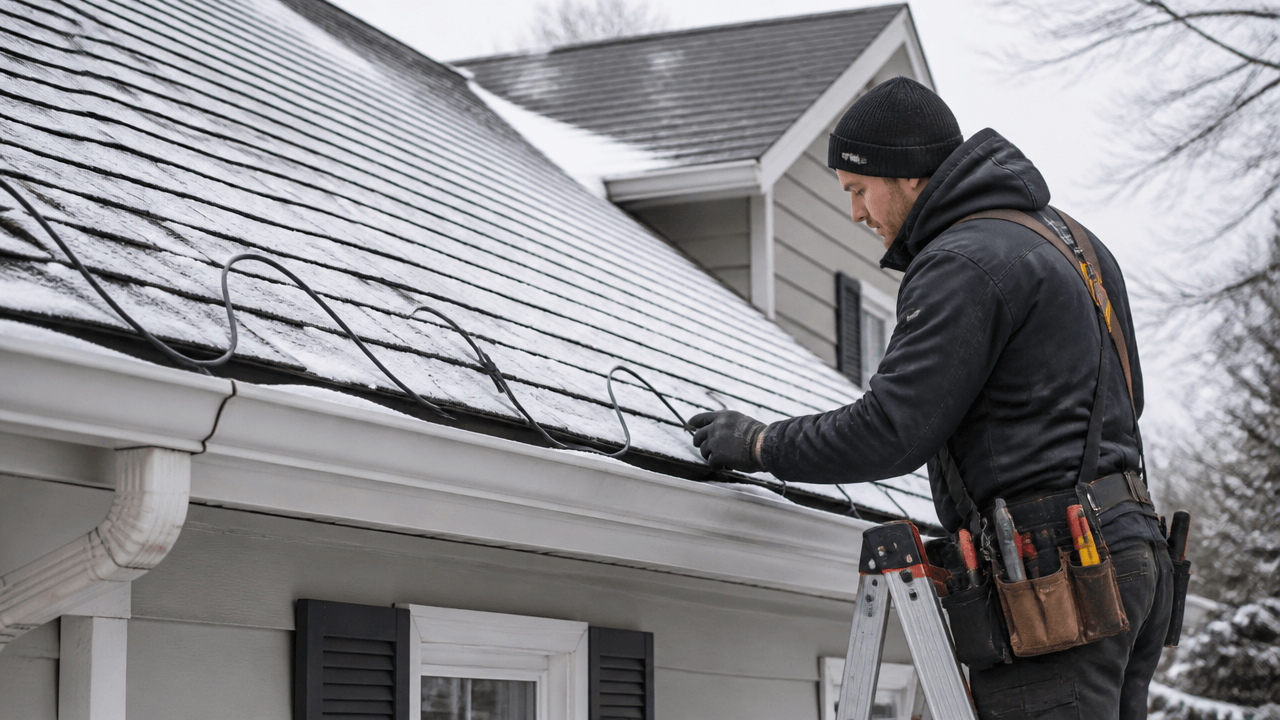
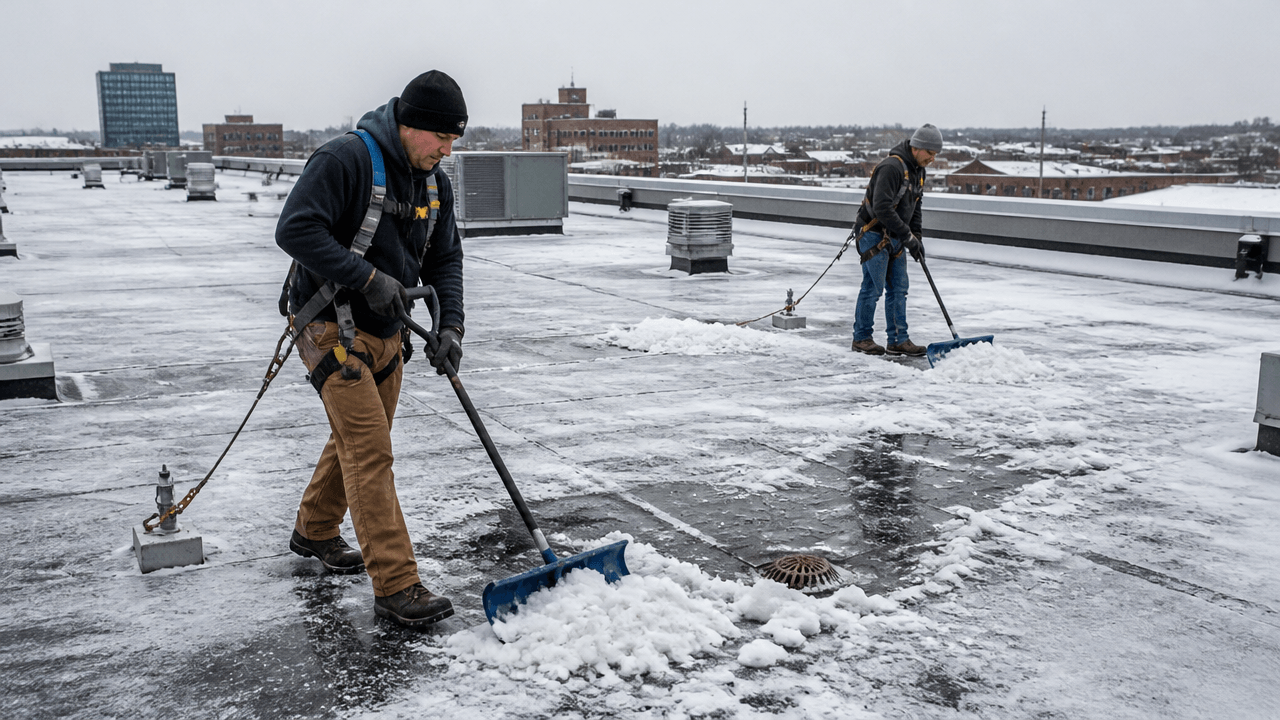
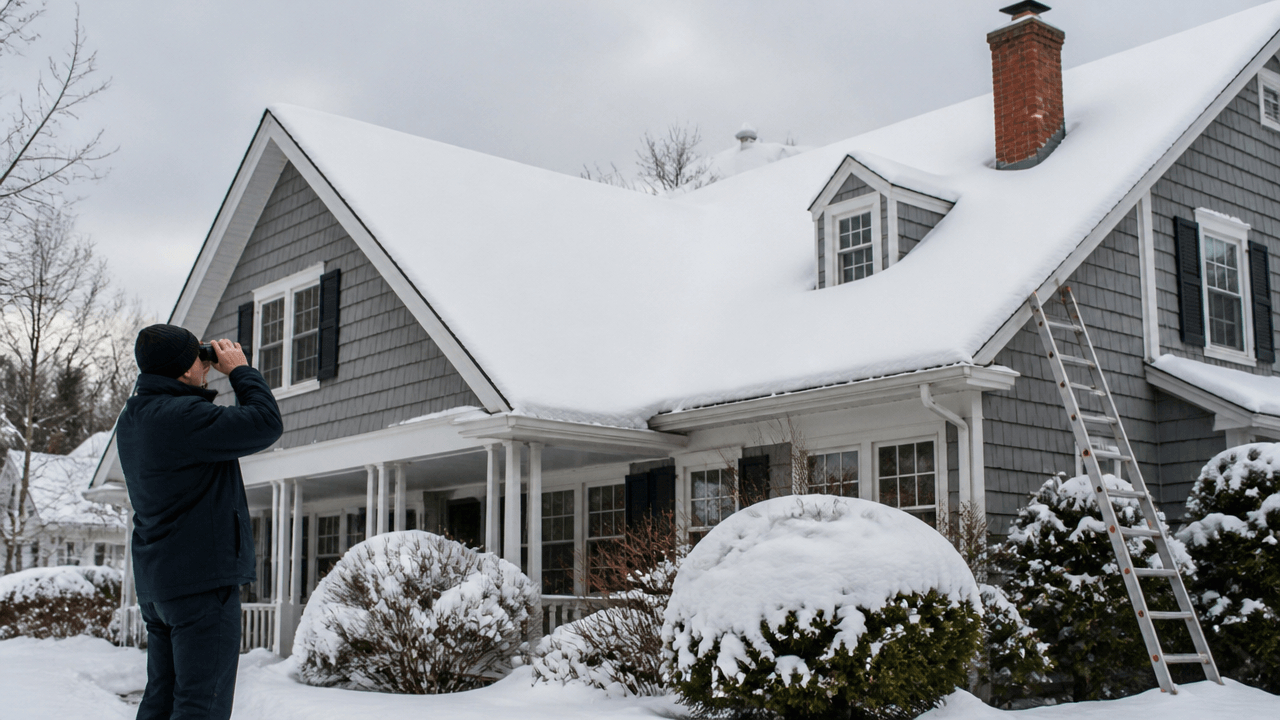
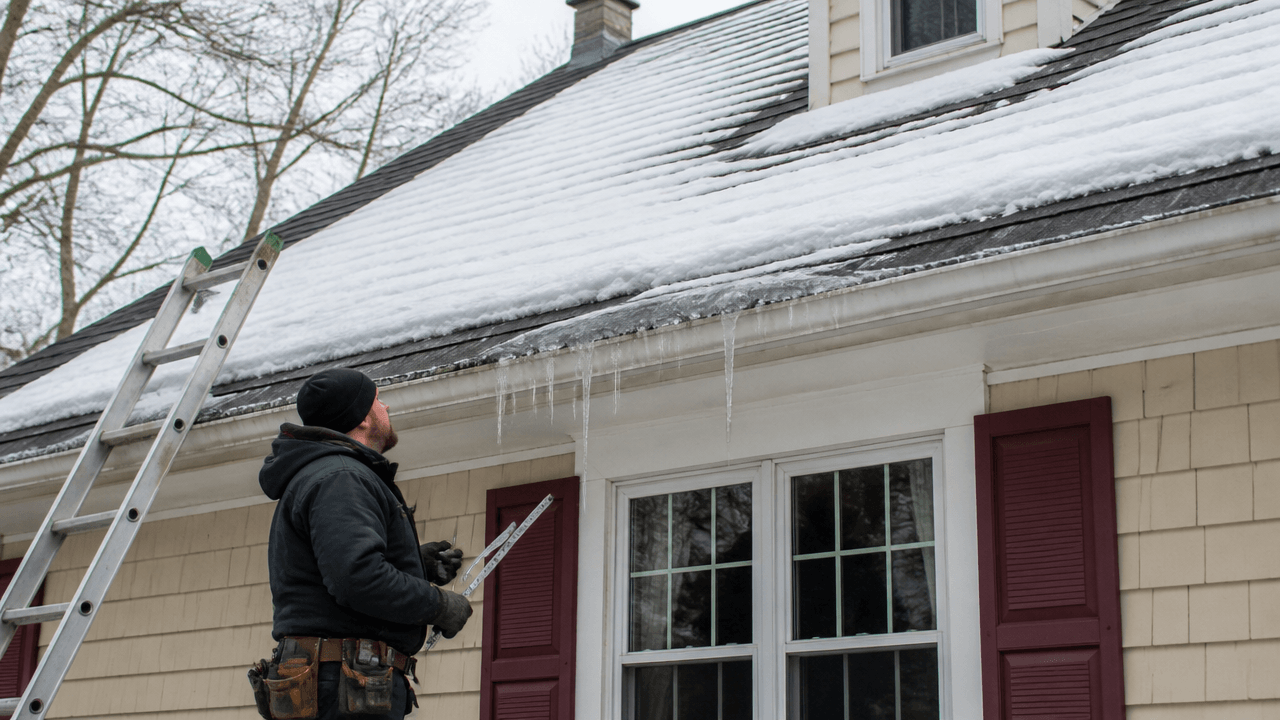
The winter months, though often less favored for construction, may confer unexpected advantages. During these times, homeowners might discover more availability among roofing contractors and potentially more favorable pricing. However, the risk of weather-related delays is heightened, requiring flexibility and patience. It is imperative to assess the unique demands of your roof and weigh them against the potential seasonal benefits and drawbacks.
Aligning Replacement with Professional Expertise
Initial home assessments are a starting point, but professionals furnish the insight necessary to forge a precise path forward. Reaching out for a professional roof inspection equips you with a detailed scope of the replacement needs and a suitable timeline for execution. This collaboration ensures that all underlying issues are accounted for and that the replacement strategy is both comprehensive and sound. Qualified roofing experts can strategize the project around seasonal challenges, ensuring maximum efficiency and effectiveness.
Taken together, identifying the right timing for your roof replacement is not just about calendar months, but about creating the conditions for an optimal result. Working closely with your selected contractor to understand both seasonal patterns and the condition of your existing roof will inform your strategic decisions. These considerations, paired with professional expertise, pave the way for a successful roof replacement, enhancing the longevity and resilience of your home for years to come.
Step 1: Understand Your Roofing Needs
Before making any decisions, assess the current state of your roof. Look for signs of wear and tear, such as missing shingles, leaks, or age-related deterioration. Understanding the extent of the required work will help you gauge the perfect timing for replacement.
Step 2: Evaluate Seasonal Impact
Consider the local climate and weather patterns. Typically, late spring to early fall offers the most favorable conditions for roofing due to consistent weather and minimal rainfall, aligning with the industry’s busy season.
Step 3: Schedule an Inspection
Contact a reputable roofing contractor for a professional inspection. They can provide a personalized timeline for your roof replacement based on the state of your current roof and seasonal considerations.
Step 4: Plan for Off-Peak Timing
While summer and fall are popular for roof replacement due to better weather conditions, scheduling during off-peak seasons (late winter to early spring) may lead to potential cost savings and quicker scheduling.
Step 5: Prepare Your Home
Once you’ve scheduled the replacement, prepare your property for the roofing crew. This includes ensuring clear access to your roof, protecting any vulnerable landscaping, and securing loose items around your home.
Step 6: Consider Material Choices
Different roofing materials have different lifespans and may also affect the timing of the replacement. Discuss options with your contractor, considering factors such as durability, insulation, and aesthetics.
Step 7: Arrange for Project Completion
Work with the roofing contractor to establish a clear timeline for the roof replacement, including the start and expected completion date, accounting for any possible weather-related delays.
Step 8: Conduct a Post-Installation Review
After the replacement is done, perform a thorough review of the work with your contractor. Ensure everything has been completed to your satisfaction and address any concerns before considering the job finished.
Common DIY Roof Replacement Mistakes to Avoid
Beginning a DIY roof replacement can be a daunting task fraught with potential missteps. Many homeowners seek to take matters into their own hands, often underestimating the complexity of the job and overestimating their abilities. As you start considering the necessary steps for your roof replacement, it’s essential to be cognizant of common pitfalls that can lead to increased costs, extended timelines, and even safety hazards.
Mistake 1: Neglecting a Thorough Inspection
Many DIYers skip the crucial step of a detailed roof inspection, leading to underestimating the repairs needed. Without a clear understanding of the current state of your roof, you may miss signs of underlying damage, resulting in inadequate repairs. To prevent this, always begin with a comprehensive assessment, preferably by a professional, to establish the full scope of work required.
Mistake 2: Disregarding Seasonal Weather Conditions
Choosing to replace your roof without considering the seasonal impact can cause delays and damage. For instance, attempting a replacement in the midst of winter could pose difficulties with adhesives and sealants setting properly. Scheduling the work during a season that offers consistent weather, usually late spring to early fall, will help ensure the project’s completion without weather-related complications.
Mistake 3: Incorrect Timing and Scheduling
Roof replacements require precise timing, and one common mistake is underestimating the time commitment required. By not planning for off-peak seasons, you may end up paying more and waiting longer due to contractor demand. To avoid this, aim for scheduling your project during late winter to early spring when contractors tend to be more available and may offer off-season pricing.
Mistake 4: Inadequate Preparation of the Home and Surroundings
Failing to properly prepare your home and property for roofing work can result in damage to landscaping and personal property. Before the replacement begins, make sure there’s clear access to your roof and that your belongings are secure. This includes protecting any plants or outdoor furniture and removing items from your attic that could be damaged by falling debris.
Mistake 5: Overlooking Material Choices and Quality
A significant error is to overlook the importance of selecting the right materials. Each material has a different lifespan and suitability based on your climate and home architecture. Consult with a contractor on the most durable and appropriate materials for your specific environment to prevent the need for premature rework.
Mistake 6: Inadequate Post-Installation Review
Once the installation is complete, neglecting a thorough review is a mistake that can leave unnoticed issues. Make it a point to walk through the completed work with your contractor, ensuring all aspects of the replacement meet your expectations and that there are no lingering issues to address.
Preparing for the Replacement Process
Once the decision to replace your roof has been made, preparation is key to ensure a smooth process. Start by clearing the area around your home to provide easy access for the roofing team and safeguard your property from any construction debris or materials. It’s also wise to communicate with your contractor about the steps they will take to minimize any disruption to your daily life during the project.
Homeowners should also be proactive in securing items within their attic or top floor, as the work above can cause vibrations. Be mindful of valuable or fragile items that might be affected, and relocate them if necessary. This kind of forethought not only protects your belongings but also aids in providing a safe working environment for the contractors.
Selecting Materials and Contractor
Choosing the right materials for your roof is a decision that impacts not just the aesthetics but also the longevity and performance of your home’s covering. Discuss with your roofing specialist the various options available, including their benefits and life expectancy. Taking into account factors like insulation, durability, and area weather patterns ensures your roof will be well-suited for your specific needs and local conditions.
Equally important is the choice of a trusted and skilled roofing contractor. A credible team ensures that the installation is executed with precision and care, adhering to the highest industry standards. An established reputation for quality work and reliability should guide your selection, providing peace of mind that your investment is in good hands.