Expert Guidance for Long-Term Roof Protection
The aftermath of a hailstorm often leaves homeowners with more questions than answers regarding the condition of their roof. It’s not just the immediate concern of roof hail damage but also understanding the future implications for your home’s primary shield. Experts like those at JJ Landerman Roofing emphasize the importance of comprehensive assessments to uncover not just obvious damages but also any subtle vulnerabilities. Such scrutiny will ensure your roof remains a bulwark against the elements, far beyond the current season. Through professional evaluations, homeowners are given a clear path to both recovery and resilience.
Maintaining your roof’s integrity isn’t just a post-storm practice; it’s about ongoing vigilance. Regular check-ups and maintenance play a pivotal role in preempting potential issues, particularly in areas susceptible to erratic weather. Consider selecting roofing materials designed with the highest hail impact resistance, which could make a significant difference in durability. By consulting specialists in the field, homeowners can make informed decisions about material upgrades and other preventative strategies. This proactive approach not only ensures protection but could also offer savings on future repair costs.
Wrapping up, it’s crucial to foster a partnership with a trusted roofing provider long before the hail hits. Establishing a relationship with JJ Landerman Roofing, for instance, offers peace of mind that experts will be readily available to assist you in your time of need. Such a partnership ensures that your roof is regularly inspected, maintained, and upgraded by qualified professionals. They will also guide you through the insurance claims process should the need arise. Remember, the strength of your roof today dictates your home’s defense tomorrow, and when it comes to protecting your domicile, leaving things to chance is a gamble too risky to take.
Is Your Roof Ready to Weather the Storm?
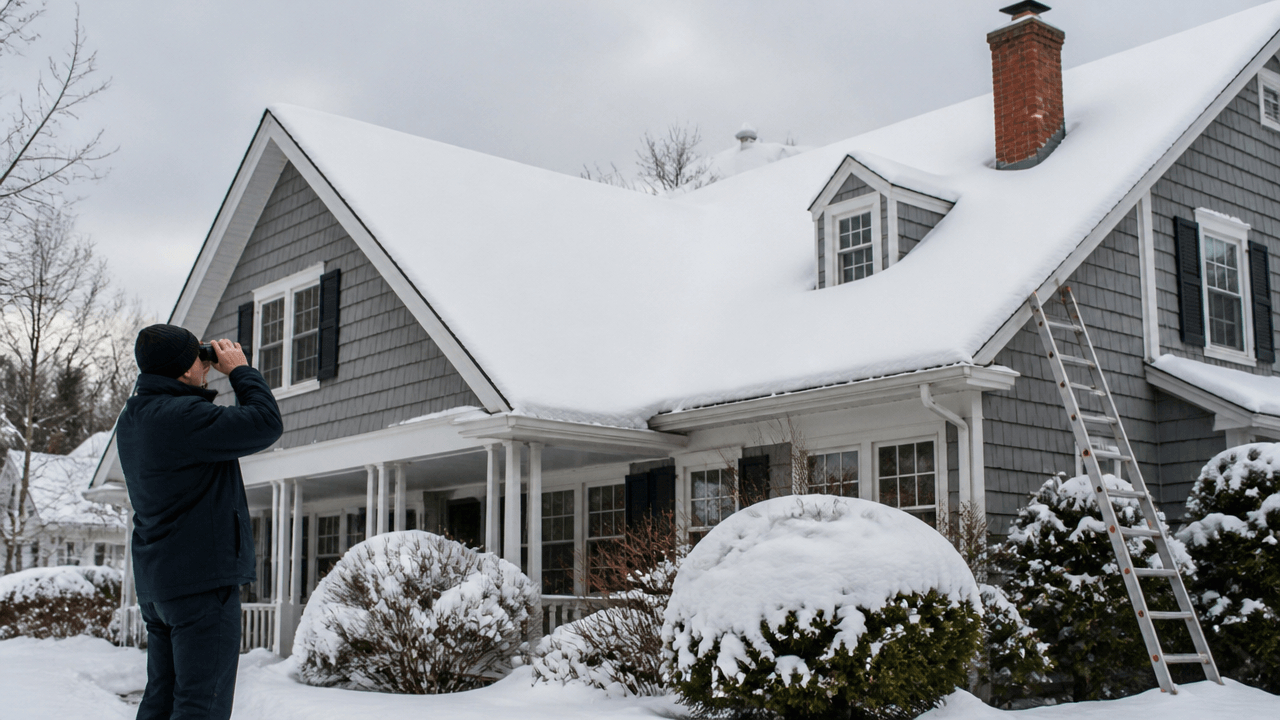
When the skies darken and hail pelts down, your roof is the first line of defense for your home in Hartford, CT. But when the storm clears, the true effects of the onslaught may not be immediately visible. It’s not just about the rattling echoes of ice hitting your roof; it’s the aftermath that can slowly deteriorate your home’s protective shield. Inspection for roof hail damage after a storm isn’t just a safety measure; it’s a crucial step to prevent costly repairs down the line. If you neglect this step, you might face leaks, insulation problems, and even structural damage over time.
With summer bringing a mix of weather conditions, the likelihood of hail in Hartford can be more than just a passing thought for homeowners. This season is not merely about enjoying longer days and warmer nights; it’s also a time when your roof could be put to the test. Don’t let the sunny days deceive you; the weather can turn on a dime, leading to severe hail storms that your roof must withstand. It’s essential to be proactive—understanding the importance of roof resilience against hail can save you from the surprise of unexpected repairs. That’s why staying informed and prepared is the best way to ensure your roof stands strong against the elements.
When we talk about hail impact resistance, we mean the ability of your roofing material to withstand the force of hail without sustaining damage. This is not just a technical term; it’s a measure of your peace of mind as a homeowner. Upgrading to materials with a high hail impact resistance rating can make a significant difference in the longevity of your roof. But more importantly, knowing that your home is shielded by top-tier roofing materials can provide a sense of security against the unpredictable nature of summer storms. When hail strikes, you’ll be thankful for investing in a roof that’s built to endure.
Expert Guidance for Long-Term Roof Protection
The aftermath of a hailstorm often leaves homeowners with more questions than answers regarding the condition of their roof. It’s not just the immediate concern of roof hail damage but also understanding the future implications for your home’s primary shield. Experts like those at JJ Landerman Roofing emphasize the importance of comprehensive assessments to uncover not just obvious damages but also any subtle vulnerabilities. Such scrutiny will ensure your roof remains a bulwark against the elements, far beyond the current season. Through professional evaluations, homeowners are given a clear path to both recovery and resilience.
Maintaining your roof’s integrity isn’t just a post-storm practice; it’s about ongoing vigilance. Regular check-ups and maintenance play a pivotal role in preempting potential issues, particularly in areas susceptible to erratic weather. Consider selecting roofing materials designed with the highest hail impact resistance, which could make a significant difference in durability. By consulting specialists in the field, homeowners can make informed decisions about material upgrades and other preventative strategies. This proactive approach not only ensures protection but could also offer savings on future repair costs.
Wrapping up, it’s crucial to foster a partnership with a trusted roofing provider long before the hail hits. Establishing a relationship with JJ Landerman Roofing, for instance, offers peace of mind that experts will be readily available to assist you in your time of need. Such a partnership ensures that your roof is regularly inspected, maintained, and upgraded by qualified professionals. They will also guide you through the insurance claims process should the need arise. Remember, the strength of your roof today dictates your home’s defense tomorrow, and when it comes to protecting your domicile, leaving things to chance is a gamble too risky to take.
Insights From The Experts
Tip 1:
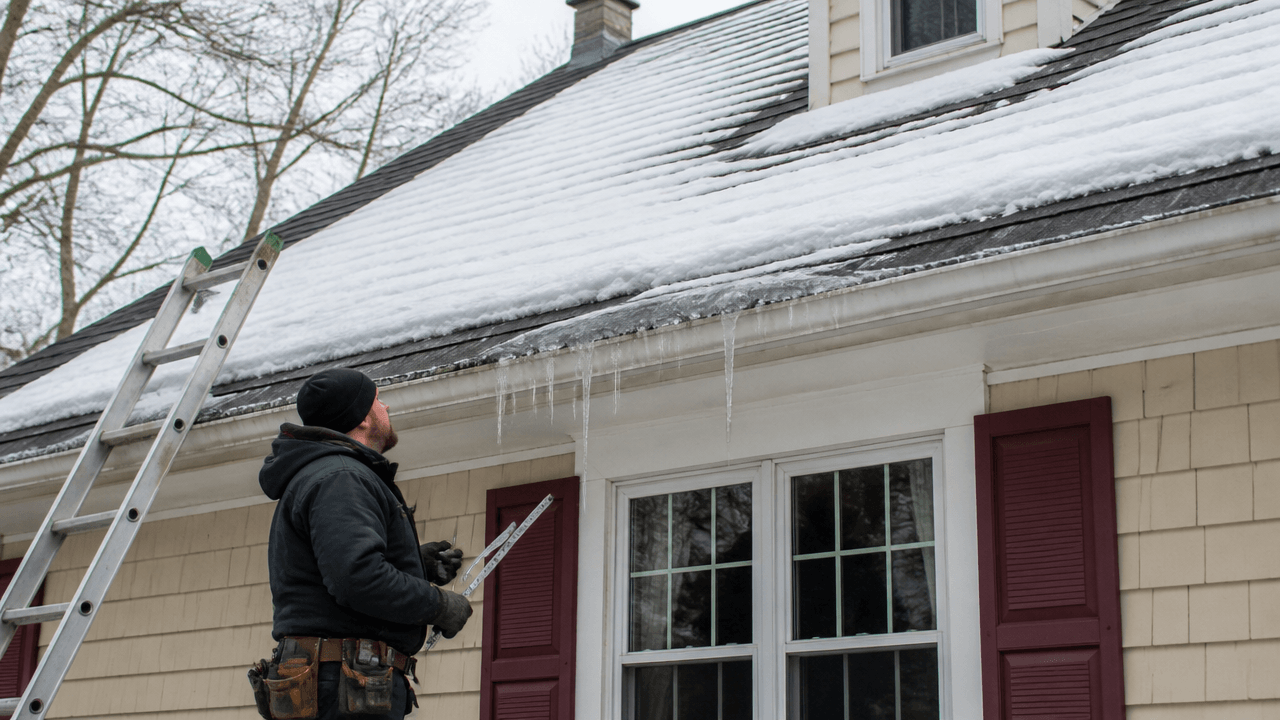
To detect hail damage, look for dents on vents, gutters or flashings on your roof after a storm. If you notice patterns of denting, it could indicate that your shingles have also been compromised.
Tip 2:
Emergency repairs may be needed to mitigate water infiltration after hail damage. Cover any visible punctures with a tarp and contact a professional as soon as possible to inspect and repair the roof to prevent interior damage.
Tip 3:
Understand the hail impact resistance rating for roofing materials. If you live in a hail-prone area, consider investing in Class 4 rated shingles, which have the highest resistance to hail damage.
Tip 4:
After a hail storm, document everything before the repairs. Take clear photos of the damage for your records and use them when filing your insurance claim; this documentation can make the claims process smoother.
Tip 5:
When filing an insurance claim for hail damage, know your policy details. Contact your insurance provider promptly, keep track of the claim number, and be prepared to provide evidence of the damage and receipts for any immediate repairs you may have undertaken.
Expert Answers to Your Roof Hail Damage Queries
How do I know if my roof has hail damage?
You’ll likely see dents or circular cracks on shingles and dings on metal parts of the roof; if the damage isn’t visible, an expert roofer can conduct a thorough inspection.
Can hail damage to a roof be repaired, and how quickly should it be addressed?
Yes, hail damage can be repaired, and it’s best to address it immediately to prevent further deterioration, especially since small damages can quickly escalate into bigger problems.
What does hail impact resistance mean for roofing materials?
Hail impact resistance indicates the ability of roofing materials to withstand the force of falling hail without sustaining significant damage, measured by industry-standard tests.
What steps should be taken immediately after a hail storm to ensure roof integrity?
Quickly inspect the roof for visible damage, document it for insurance purposes, and cover any breaches with a tarp to prevent water entry until professional repairs can be made.
What is the process for filing an insurance claim for roof hail damage?
Document the damage, promptly contact your insurance provider, provide your insurance claim number and damage evidence, and keep track of all repair receipts and correspondence.