• Discover the signs of poor shingle roof ventilation and its impact on your home’s comfort and efficiency, especially in harsh winter climates like Longmeadow, MA.
• Learn step-by-step how to evaluate, improve, and maintain your roof’s ventilation system, avoiding common DIY mistakes for lasting results.
• Recognize when to seek professional help and the benefits of expert advice—stay updated with JJ Landerman Roofing through our social media page for more tips and services.
Early Warnings of Poor Ventilation
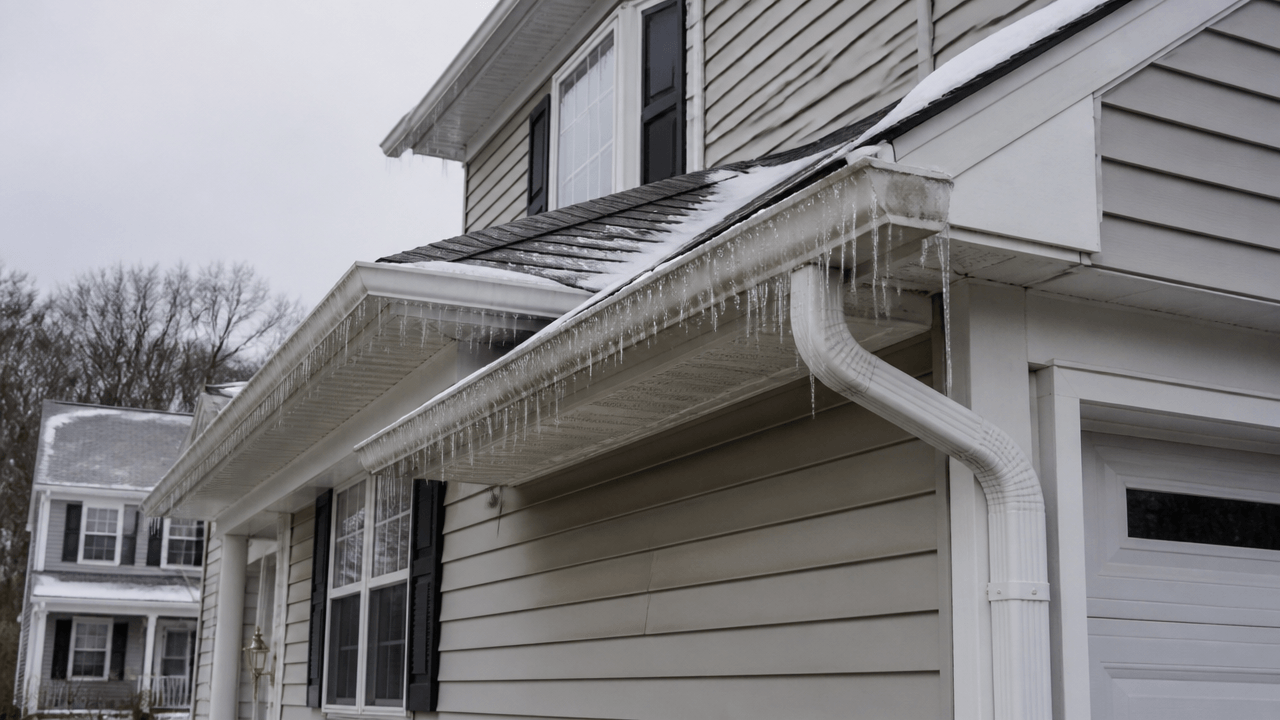
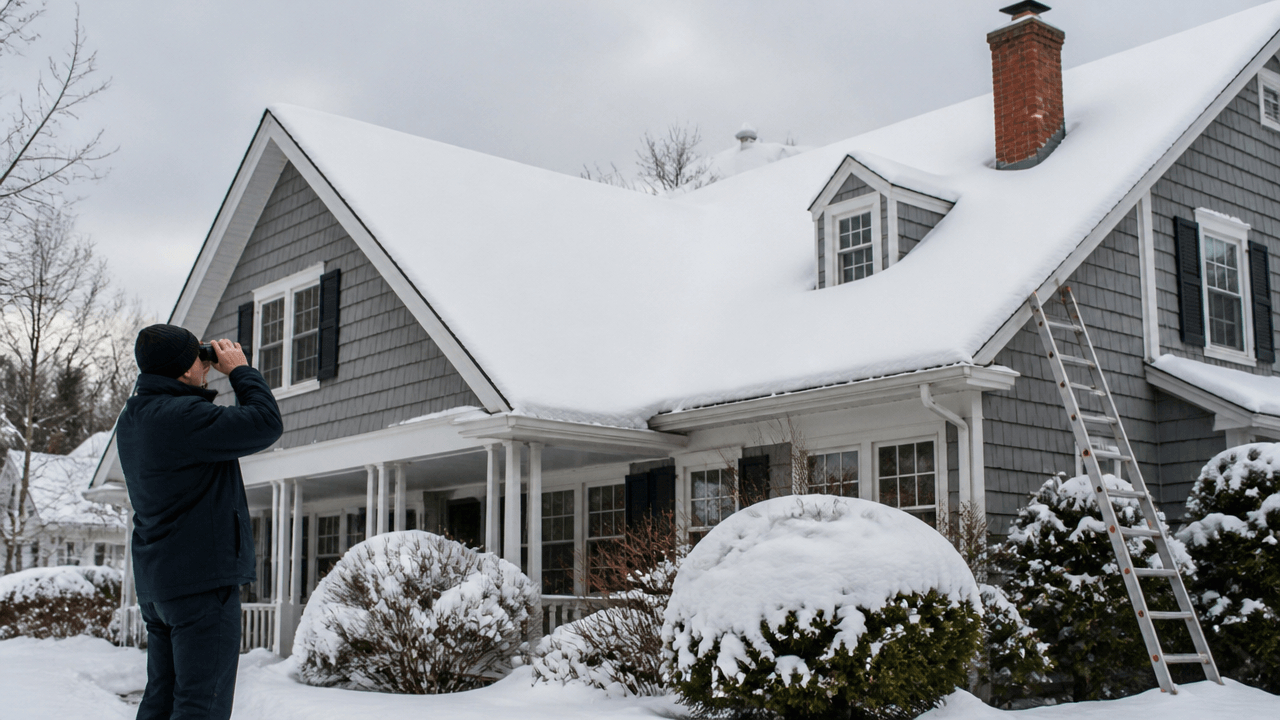
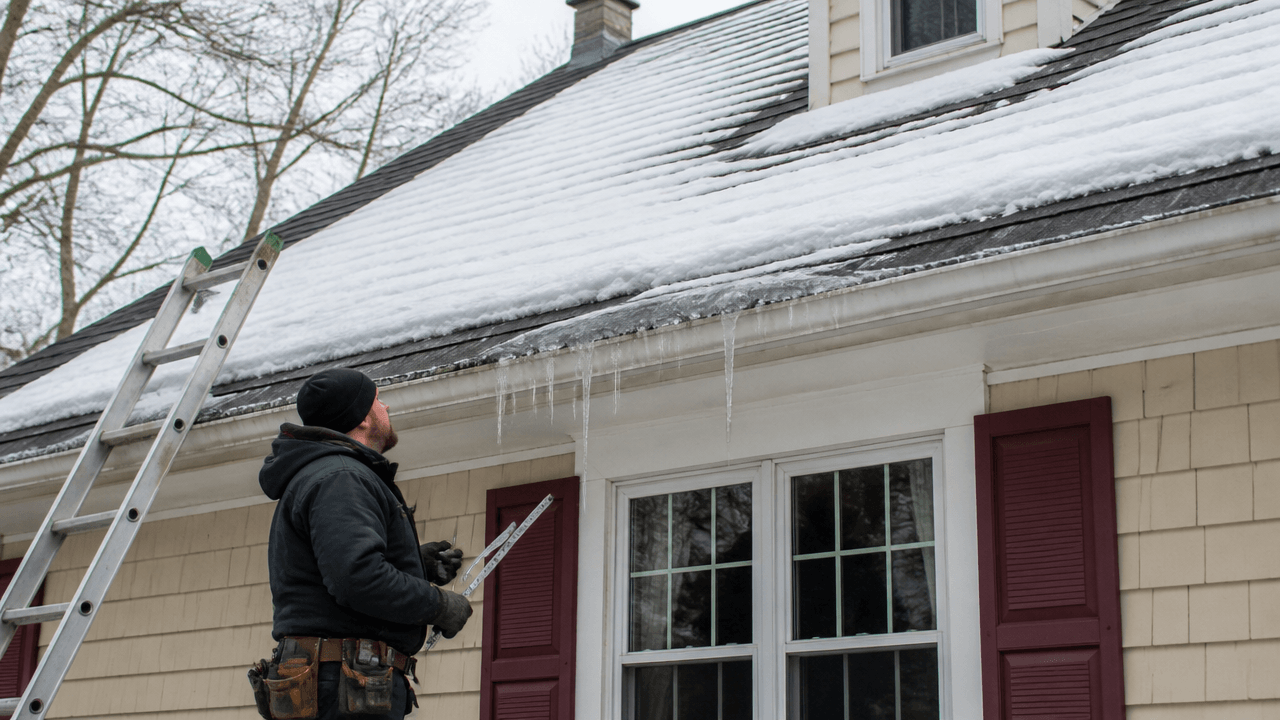
When the bitter chill of February sweeps through Longmeadow, MA, it’s your home’s first line of defense that feels the impact—the roof. But beneath those shingle layers, an unseen aspect crucial to the roof’s longevity and your comfort often goes unheeded: ventilation. Proper airflow through your attic not only regulates temperature but also heads off moisture-related concerns that can silently compromise the roof’s structural integrity. If you’re noticing incessant ice dams formation or a spike in heating costs, these could be your first indicators of inadequate ventilation.
Diagnosing Ventilation Deficiencies
Initiating a thorough inspection within your attic space is a pivotal step in assessing your roof’s health. Look for persistent wet spots or frost accumulation on the underside of the roof decking; these are telltale signs that warm, moist air from your living spaces isn’t escaping as it should. In addition, pay attention to any fading or deterioration of interior paint near the ceiling, as this often signals excessive attic temperatures degrading your home’s interior environment.
Selecting the Correct Ventilation Solution
Envisaging the proper solution starts with evaluating the ventilation system that suits your shingled safeguard. Each shingle roof has unique needs, gauged by its design and the climatic rigor of winter in New England. Diving deep into options like ridge vents, which run along the roof peak, is key—they allow for a continuous outflow of warm air. Similarly, soffit vents invite cool, dry air into the attic, collaborating with ridge vents to maintain a balanced and effective air circulation conducive to a robust roofing system.
Planning for a Breathable Roof
Pulling back the curtain on a seamless ventilation system begins with comprehension and calculation. A balanced attic ventilation equation not only hinges on the square footage of your attic but also takes local building codes into consideration. Your strategy should pinpoint the precise ratio of intake and exhaust venting to achieve an environment where air naturally moves in a continuous flow. This harmony is what keeps temperature and moisture levels in check, thus safeguarding your roof against the ravages of ice, snow, and condensation.
Executing a Ventilation Upgrade
Moving on to implementation, remember that precision in your actions can lead to excellence in results. From the dimensions of your attic to the pitch of your roof, each parameter shapes your choice of tools and materials for installing effective roof ventilation. And while the task can be a DIY endeavor, don’t overlook the value of expertise; a consultation with seasoned professionals from JJ Landerman Roofing could be the difference between a job done and a job done right. By taking the time to install vents accurately, you’re committing to a future of reduced repair costs and a more comfortable, energy-efficient home.
Step 1: Understanding the Importance of Shingle Roof Ventilation
Begin by explaining why ventilation is crucial for a roof, particularly one with shingles. Discuss how it impacts the lifespan of the roof and overall home comfort, particularly in harsh winter conditions, like those experienced in Longmeadow, MA during February.
Step 2: Assessing Your Current Roof Ventilation
Guide the reader through an evaluation of their current roofing system, providing instructions on identifying signs of poor ventilation. Offer tips for homeowners to recognize potential ventilation issues in their attics.
Step 3: Selecting the Right Ventilation for Your Shingle Roof
Delve into different ventilation options that are ideal for shingle roofs. Discuss the benefits of each type, including ridge vents, soffit vents, and gable-end vents, and how they work together to improve airflow.
Step 4: Planning Your Ventilation Upgrade
Outline the steps to plan a proper ventilation upgrade. Touch on the importance of calculating the required ventilation area and choosing the right materials and tools for the installation process.
Step 5: Installing the Vents
Offer a detailed, step-by-step approach to installing new vents or improving existing ones. Highlight safety precautions to take when working on the roof and provide an overview of best practices for proper installation.
Step 6: Insulating for Optimal Performance
Stress the importance of insulation in conjunction with roof ventilation, particularly in a cold climate. Discuss how to properly insulate the attic space to ensure that the ventilation system functions effectively.
Step 7: Regular Maintenance for Long-Term Benefits
Instruct the reader on how to maintain their roof ventilation system. Include guidance on routine checks, cleaning vents, and preventing blockages that impede airflow.
Step 8: Identifying When to Seek Professional Help
Conclude by highlighting situations where it’s advisable to call a professional roofing specialist for help with shingle roof ventilation, especially in cases that involve structural changes to the house.
Avoiding Common Ventilation Mistakes
Ventilating a shingle roof is a critical task that requires careful planning and precise action, especially when facing the frigid winters of Longmeadow, MA. While homeowners may be tempted to take on this challenge themselves, several common pitfalls can jeopardize the health of their home. Understanding these missteps is the key to ensuring improved air circulation, thus enhancing the durability of the roof and the overall comfort within the home.
Mistake 1: Misjudging the Amount of Ventilation Needed
Many DIY enthusiasts might underestimate the volume of ventilation their roof truly requires. Lack of adequate ventilation can trap moisture, leading to mold growth and weakened roof structures. Always calculate the necessary vent space based on attic square footage to ensure your home has sufficient airflow.
Mistake 2: Inconsistent Vent Placement
Improper distribution of intake and exhaust vents can result in uneven temperatures and poor air circulation. It’s essential to balance the placement of vents across the roof for optimal performance. This balance prevents the accumulation of hot and cold spots that can contribute to ice dams and increased energy costs.
Mistake 3: Overlooking Sealant and Weatherproofing Measures
Failing to properly seal and weatherproof vent installations is a recipe for disaster, particularly in a location as prone to winter extremes as Longmeadow. Use appropriate sealants and insulate around the vents to prevent leaks and drafts that can diminish the effectiveness of the ventilation system.
Mistake 4: Disregarding Professional Advice
Another frequent blunder is forgoing professional guidance. While DIY may seem cost-effective, the complexity of roof ventilation can be fraught with nuances better left to experts. Consulting with professionals before undertaking a project can avert costly mishaps and ensure that your ventilation system complies with local building codes.
Sealing the Deal with Insulation
Ventilation and insulation in your attic are two sides of the same coin, working in tandem to extend the life of your shingle roof. Proper insulation not only aids in maintaining a consistent attic temperature but also ensures that the ventilation system operates at peak efficiency. With the right insulation barrier, homeowners can prevent the seepage of heat that leads to snow melting and refreezing on the roof, a common issue in Longmeadow homes.
Prioritizing Regular Ventilation Check-Up
The longevity of your roof’s ventilation system is contingent upon regular inspections and maintenance. Clearing out any blockages in vents and ensuring there’s no buildup of debris, snow, or ice that can impede airflow is essential. For those in the New England area, routine roof check-ups before the winter onslaught can offer peace of mind and prevent emergency situations, like those where emergency roof tarping becomes necessary.