Maintaining Vigilance Post-Tarping
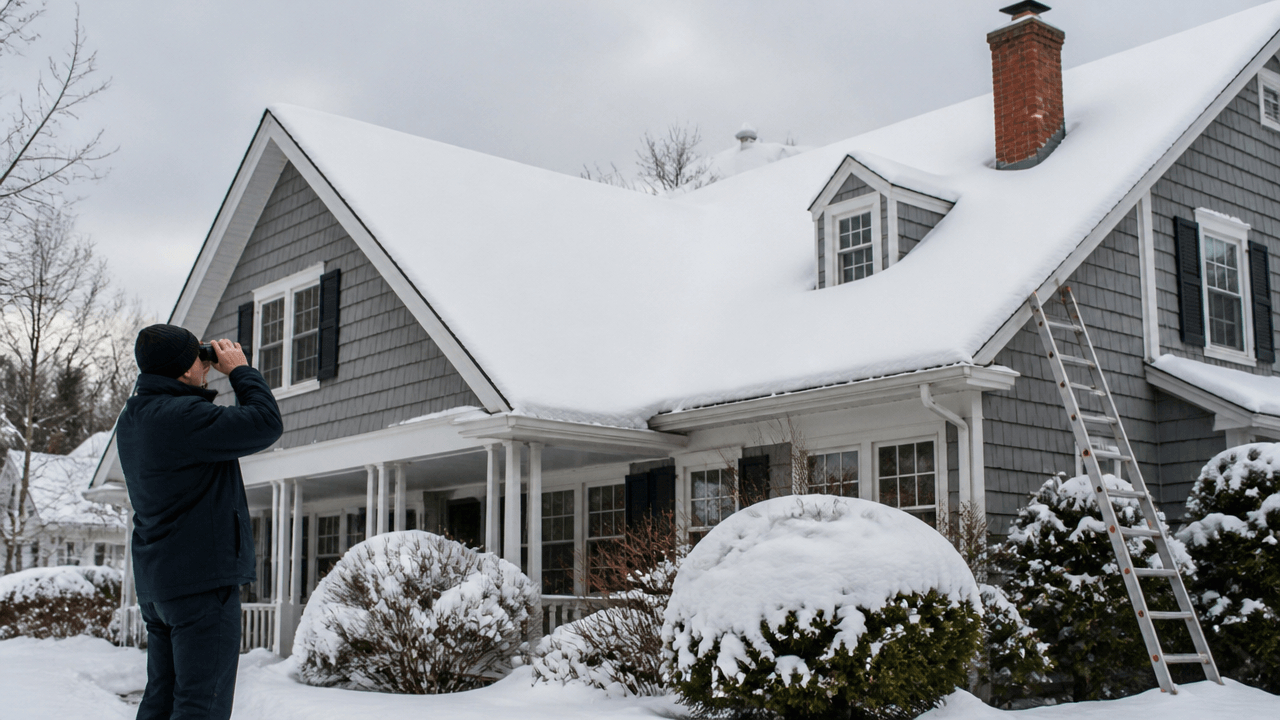
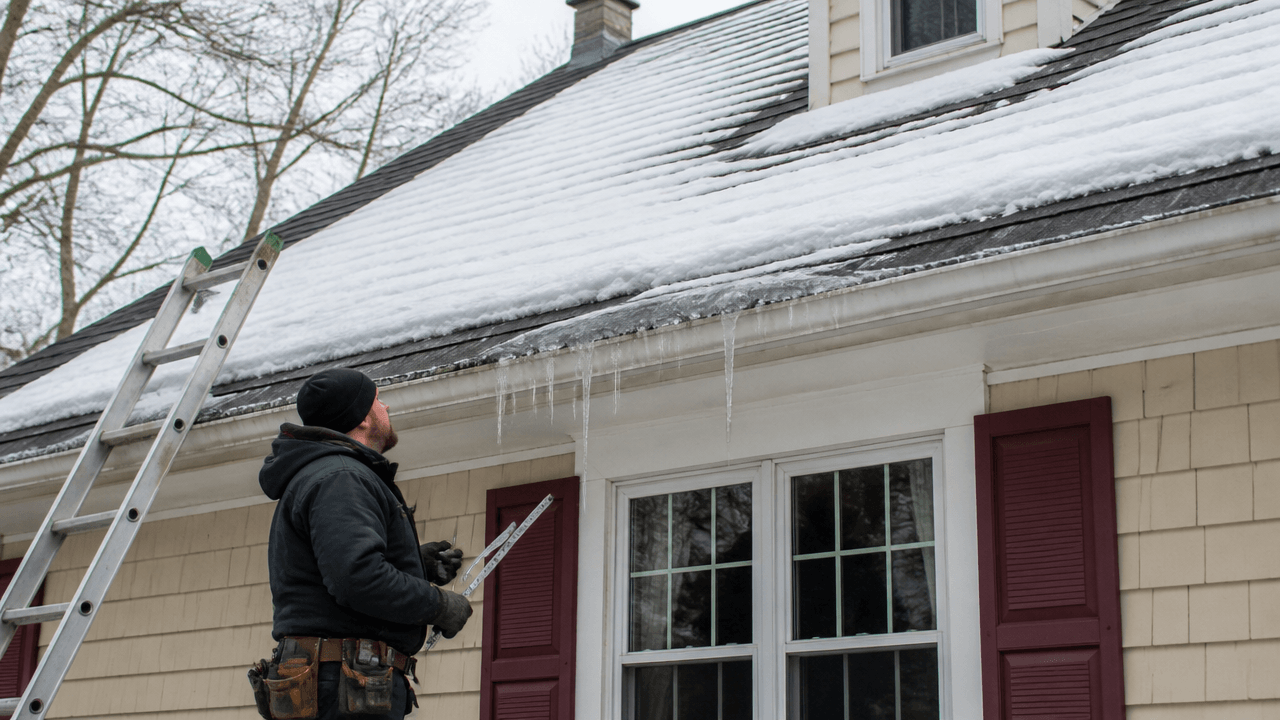
Once your tarp is securely in place, it’s imperative to keep an eye out for signs of wear or damage. Regular checks after storms or heavy winds are key to ensuring the tarp is holding up and continuing to provide protection. Observe for sagging areas that may collect water and cause pooling, which can add undue stress and result in leaks reforming. Should you notice any issues, address them promptly to maintain the tarp’s integrity. It’s this level of diligence that keeps your temporary solution effective until more permanent repairs are enacted.
Understanding the Temporary Nature of Tarping
It’s important to remember that tarping is a temporary fix, not a long-term solution. Tarps are incredibly useful in emergency situations or when immediate repair isn’t possible, but prolonged exposure to the elements can lead to degradation. Ensure that you have a plan in place for permanent repair and consult with expert roofers for a thorough evaluation and timely resolution. Procrastination can exacerbate roofing issues, and while tarping offers a quick fix, nothing replaces the peace of mind that comes with a fully restored roof.
Wrapping Up: Prioritizing Safety and Soundness
The condition of your roof is a paramount concern for the safety and comfort of your home. In the event of a leak, taking immediate, well-planned action can protect against further damage and costly repairs. Tarping a roof leak is indeed a useful skill, offering you control over a potentially stressful situation and buying much-needed time. However, remember that the key to sustained roof health is not just in the temporary fixes but in the soundness of a professionally executed permanent solution. Trust in the expertise of professional roofing services to bring back the integrity and longevity of your home’s first line of defense against the weather.
The Critical First Step: Taking Immediate Action
Discovering a leak in your roof can be a startling experience. The sound of dripping water or the sight of a water spot spreading across your ceiling is a clear signal that your property is at risk. It’s not just the immediate damage to the structure of your home or your possessions that you must worry about, but also the potential long-term issues like mold growth and structural weakening. That’s why taking swift and decisive action to address a roof leak is crucial. By understanding that time is of the essence, you’ll prevent a small problem from becoming a disaster.
Understanding the Power of Tarping
Tarping a roof leak isn’t just a stop-gap measure; it’s an essential first defense. The right tarp can provide an effective barrier against the elements, warding off further water ingress until permanent repairs can be made. Durable, water-resistant polyethylene material—used in the construction of these tarps—is your ally against the persistent onslaught of rain. Moreover, securing the tarp promptly ensures that your daily life is disrupted as minimally as possible, providing peace of mind that your home remains safe and dry.
Ensuring Your Home’s Protection
When you can’t immediately get professional help, knowing how to correctly tarp your roof becomes invaluable. A properly installed tarp extends well over the roof peak, with ample overhang to prevent water from seeping underneath and into your home. It’s crucial to fasten the tarp effectively, ensuring it’s anchored strongly to withstand wind and rain. While the process might seem daunting, a methodical approach can yield surprisingly effective results. Ultimately, understanding and executing this task is about safeguarding one of your most important investments: your home.
Maintaining Vigilance Post-Tarping
Once your tarp is securely in place, it’s imperative to keep an eye out for signs of wear or damage. Regular checks after storms or heavy winds are key to ensuring the tarp is holding up and continuing to provide protection. Observe for sagging areas that may collect water and cause pooling, which can add undue stress and result in leaks reforming. Should you notice any issues, address them promptly to maintain the tarp’s integrity. It’s this level of diligence that keeps your temporary solution effective until more permanent repairs are enacted.
Understanding the Temporary Nature of Tarping
It’s important to remember that tarping is a temporary fix, not a long-term solution. Tarps are incredibly useful in emergency situations or when immediate repair isn’t possible, but prolonged exposure to the elements can lead to degradation. Ensure that you have a plan in place for permanent repair and consult with expert roofers for a thorough evaluation and timely resolution. Procrastination can exacerbate roofing issues, and while tarping offers a quick fix, nothing replaces the peace of mind that comes with a fully restored roof.
Wrapping Up: Prioritizing Safety and Soundness
The condition of your roof is a paramount concern for the safety and comfort of your home. In the event of a leak, taking immediate, well-planned action can protect against further damage and costly repairs. Tarping a roof leak is indeed a useful skill, offering you control over a potentially stressful situation and buying much-needed time. However, remember that the key to sustained roof health is not just in the temporary fixes but in the soundness of a professionally executed permanent solution. Trust in the expertise of professional roofing services to bring back the integrity and longevity of your home’s first line of defense against the weather.
Insights From The Experts
Tip 1:
When choosing a tarp, opt for one that’s UV resistant and has reinforced corners to ensure it can withstand prolonged exposure and harsh weather conditions without degrading.
Tip 2:
Always extend the tarp at least 3 feet over the roof peak to prevent water from seeping underneath, and consider using boards to anchor the tarp’s edges for a more secure installation.
Tip 3:
In case of strong winds, use a board to sandwich the tarp edge and screw the board to the roof to prevent the tarp from flapping or tearing, which could lead to further damage.
Tip 4:
Inspect the tarp regularly for any tears or lifting, and ensure that water is draining off the tarp properly, not pooling, which could lead to more leakage.
Tip 5:
For safety and the best results, consider hiring a professional to tarp the roof, as they have the experience and equipment to do the job efficiently, especially in emergency situations.
Expert Answers to Your Tarping Questions
How long can I leave a tarp on my roof before it causes damage?
A tarp can generally be left on a roof for several weeks without causing damage, but it’s essential to monitor for wear and tear. Always plan for a permanent repair as soon as weather and circumstances allow.
Can I tarp my roof myself, or should I call professionals?
While tarping a roof is something a homeowner can do, safety and effectiveness are paramount; if you’re unsure or uneasy about heights or the roof’s condition, calling a professional is the safest bet.
What size tarp do I need to effectively cover a leaking roof area?
Select a tarp that extends at least 3 feet beyond the leak area on all sides; this ensures adequate coverage and protection against the elements.
How do I safely secure a tarp to my roof during windy conditions?
Use sturdy boards or battens to anchor the tarp’s edges and ensure it overhangs the roof ridge, using enough weight and attachment points to prevent lift and flap in the wind.
What are the immediate steps I should take if I discover a leak in my roof?
Immediately move any valuables from underneath the leak, place a container to catch dripping water, and contact a roofing professional to assess and address the issue as soon as possible.